Up next
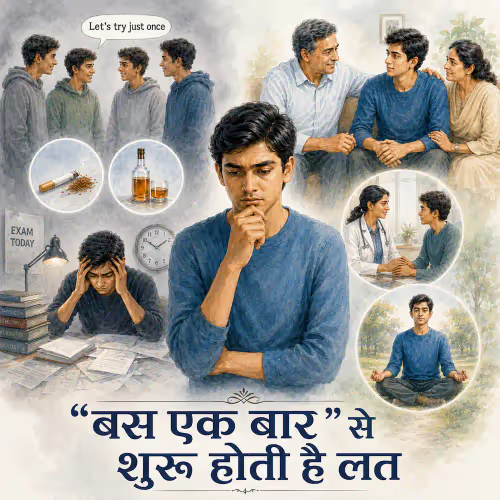
02 - “बस एक बार” से शुरू होती है लत
BK Shivani, BK Dr Girish Patel · 28:59
Essence
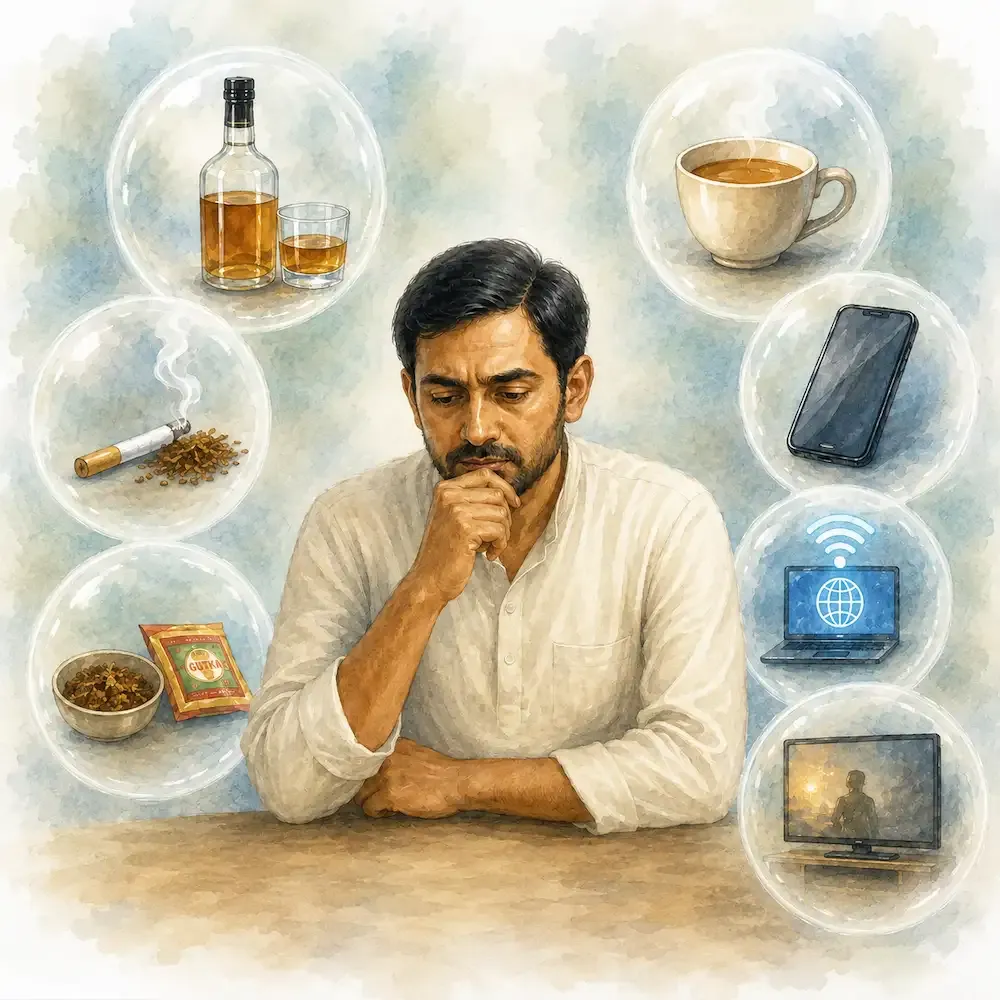
इस पहले ऑडियो में समझाया गया है कि व्यसन केवल शराब, तम्बाकू, गुटखा या ड्रग्स तक सीमित नहीं है। कई बार हमारी रोज़मर्रा की छोटी-छोटी आदतें भी धीरे-धीरे ऐसी मजबूरी बन जाती हैं, जिनके बिना मन बेचैन होने लगता है। चाय, कॉफी, मोबाइल, इंटरनेट, टीवी, गुस्सा करना, आलोचना करना, टेंशन लेना या दुखी रहने की आदत — ये सब भी सूक्ष्म रूप से व्यसन का रूप ले सकते हैं। इस क्लास में बताया गया है कि हर आदत की शुरुआत एक विचार से होती है। विचार कर्म में आता है, कर्म बार-बार दोहराया जाता है, और धीरे-धीरे संस्कार बन जाता है। फिर एक समय ऐसा आता है जब बुद्धि सही-गलत का निर्णय देना कम कर देती है और मन सीधे उसी आदत की ओर खिंचने लगता है। व्यसन की पहचान यही है कि जब कोई चीज़ न मिले तो मन बार-बार उसी ओर जाए, ध्यान न लगे, बेचैनी हो या भीतर से खिंचाव महसूस हो। उस समय समझना चाहिए कि वह आदत हमारी स्वतंत्रता और self-control को कम कर रही है। इस ऑडियो का मुख्य संदेश है कि हमें पहले अपने अंदर सजग होकर देखना होगा — कौन-सी बात मुझे खींच रही है, कौन-सी आदत मेरी प्राथमिकताओं को बदल रही है, और कहाँ मेरा नियंत्रण मेरे हाथ से निकलकर आदत के हाथ में जा रहा है। awareness ही परिवर्तन का पहला कदम है। मेडिटेशन के द्वारा जब मन शांत होता है, तब व्यक्ति स्वयं को स्पष्ट रूप से चेक कर पाता है। अपने विचारों को देखना, उनकी गुणवत्ता को पहचानना और सही निर्णय लेना आसान होने लगता है। इससे will power बढ़ती है और जो बात पहले असंभव लगती थी, वह धीरे-धीरे संभव लगने लगती है। इसे सुनकर यह महसूस होता है कि, कोई भी आदत हमसे बड़ी नहीं है। जब हम स्वयं को पहचानते हैं और अपने विचारों को देखते हैं, तब हर मजबूरी को बदला जा सकता है। सार / Essence: आदत तब मजबूरी बनती है, जब मन हमारे नियंत्रण से निकलकर उसी आदत की ओर खिंचने लगे। इस यात्रा की पहली सीढ़ी है — सजग होकर अपनी आदतों को पहचानना और धीरे-धीरे अपने स्वराज्य को वापस पाना।
English : This first audio explains that addiction is not limited only to alcohol, tobacco, gutka or drugs. Sometimes, even small everyday habits slowly become such compulsions that the mind starts feeling restless without them. Tea, coffee, mobile, internet, TV, anger, criticism, tension, or the habit of remaining sad — all of these can also take the form of subtle addictions. Every habit begins with a thought —_ A thought comes into action, the action is repeated again and again, and slowly it becomes a sanskar. Then a time comes when the intellect is no longer able to clearly decide what is right and wrong, and the mind gets pulled directly towards that habit. This is the sign of addiction — when we do not get something, but the mind keeps going towards it again and again, we are unable to focus, we feel restless, or we experience an inner pull. At that time, we should understand that this habit is reducing our freedom and self-control._ The main message of this audio is that we first need to look within with awareness — what is pulling me, which habit is changing my priorities, and where is my control slipping from my hands into the hands of the habit? Awareness is the first step towards transformation. Through meditation, when the mind becomes peaceful, a person is able to check the self more clearly. It becomes easier to observe our thoughts, recognise their quality, and make the right decision. This increases willpower, and what once seemed impossible (changing the habit, overcoming addiction) slowly begins to feel possible. After listening to this, we realise that no habit is bigger than us. When we recognise the self and observe our thoughts, every compulsion can be changed. Essence: A habit becomes a compulsion when the mind moves out of our control and starts getting pulled towards that habit again and again. The first step of this journey is to recognise our habits with awareness and gradually regain our self-sovereignty.
More from Giving up Addictions
View all 1202 - “बस एक बार” से शुरू होती है लत
BK Shivani, BK Dr Girish Patel · 28:59 · 131 plays
02 - “बस एक बार” से शुरू होती है लत — lyrics & details03 - लत लगने के मुख्य कारण
BK Shivani, BK Dr Girish Patel · 28:07 · 121 plays
03 - लत लगने के मुख्य कारण — lyrics & details04 - एक व्यक्ति की स्मोकिंग की आदत, पूरे परिवार पर असर
BK Shivani, BK Dr Girish Patel · 29:21 · 120 plays
04 - एक व्यक्ति की स्मोकिंग की आदत, पूरे परिवार पर असर — lyrics & details05 - गुटका और शराब — छोटी आदत, बड़ा नुकसान
BK Shivani, BK Dr Girish Patel · 28:44 · 223 plays
05 - गुटका और शराब — छोटी आदत, बड़ा नुकसान — lyrics & details06 - गुस्से रूपी व्यसन की रिश्तों एवं स्वास्थ्य पर असर
BK Shivani, BK Dr Girish Patel · 28:29 · 129 plays
06 - गुस्से रूपी व्यसन की रिश्तों एवं स्वास्थ्य पर असर — lyrics & details