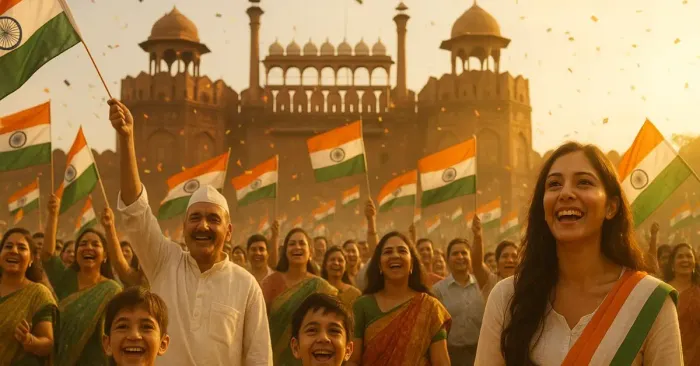
Every Independence Day, India celebrates the freedom achieved in 1947 after a long struggle against British colonial rule. The national flag, patriotic songs, and remembrance of freedom fighters remind us of the sacrifices that helped India become an independent nation.
But what does true freedom mean at an individual level?
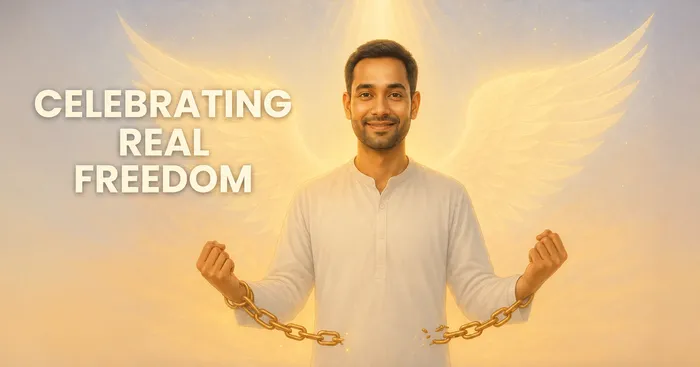
Political independence gives a nation the freedom to govern itself. True freedom goes deeper: it includes inner freedom—the ability to govern our thoughts, emotions, choices, and actions rather than becoming controlled by circumstances, habits, desires, or external validation.
This deeper understanding of freedom brings us to the idea of Swatantrata, or self-sovereignty.
What Does True Freedom Really Mean?
True freedom is the ability to live with self-awareness, self-control, responsibility, and inner stability rather than being controlled by external circumstances or internal impulses.
Freedom is often understood primarily in physical and political terms. A person is physically free when they are not held captive, subjected to forced labour, or unlawfully prevented from moving or making choices. These freedoms are essential. Yet physical freedom alone does not necessarily create peace or happiness.
A person may be physically free but remain mentally trapped by anger, fear, jealousy, resentment, addiction, comparison, or an endless need for approval. This raises an important question:
Can we call ourselves truly free if we cannot govern our own minds?
True freedom therefore has an outer as well as an inner dimension.
Freedom Is Both a Right and a Responsibility
Freedom and responsibility are closely connected.

Imagine a kite flying high in the sky. It may appear that the string is restricting the kite, but the string actually provides the control that allows it to rise and remain stable.
If the string is cut, the kite does not become more powerful or more free. It loses direction and eventually falls. Our lives can work in a similar way.
Rules, values, discipline, and self-control may sometimes appear restrictive, but they can protect our freedom by helping us make conscious choices. Freedom without responsibility can become impulsiveness. Freedom guided by wisdom becomes self-mastery.

Political freedom asks us to become responsible citizens. Inner freedom asks us to become responsible for our thoughts, emotions, words, and actions.
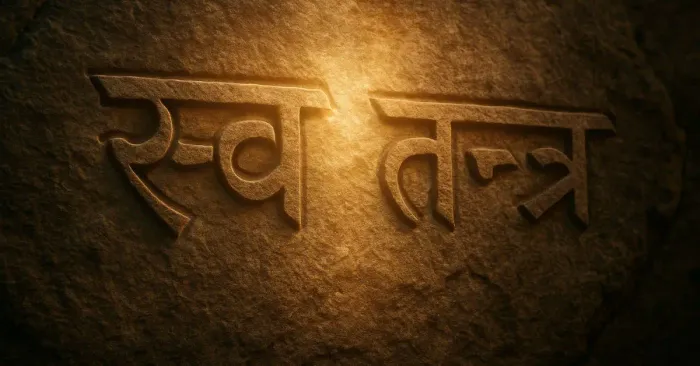
Swatantrata: Freedom Through Self-Governance
The idea of Swatantrata offers a powerful way to understand true freedom. The term can be interpreted through,
Swa, referring to the self, and tantra, referring to a system, mechanism, or governance.
In a spiritual interpretation, ican therefore be understood as self-governance or self-sovereignty. This shifts the question of freedom from: “Who governs me externally?” to: “Who governs me internally?”
Am I choosing my thoughts, or are circumstances choosing them for me?
Can I remain peaceful when someone criticises me?
Can I control a habit when I know it is harmful?
Can I remain stable when success, praise, status, or recognition disappears?
These questions reveal the difference between merely possessing external freedom and actually experiencing inner freedom. True Swatantrata means becoming the master of the self.

The Chariot Analogy: Understanding Self-Mastery
Master sits at the helm. Imagine a chariot where the master sits at the helm, the charioteer holds the reins, and the horses pull the chariot forward. If the master remains alert, he guides the charioteer, who, in turn, controls the horses to reach the destination.
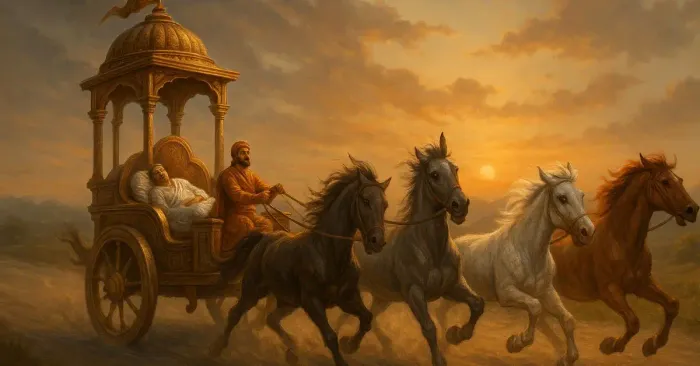
However, if the master falls asleep, the charioteer loses direction, and the untethered horses wander aimlessly.
In this analogy:
“I” (the spiritual being) am the chariot master.
The body is the chariot.
The intellect is the charioteer, guiding the mind and senses.
The mind is the bridle, controlling the senses (horses).
When I am self-aware and in full consciousness of my spiritual identity, I make righteous decisions. My intellect helps me judge right from wrong, and my mind guides my senses accordingly. However, when I forget my true identity and identify solely with my body, roles, or status, my intellect weakens, and my senses run uncontrolled—leading to inner chaos.
What Happens When We Lose Inner Control?
When the intellect loses control, the senses take over. I may say something I regret, think negatively despite wanting to stop, or engage in harmful habits.
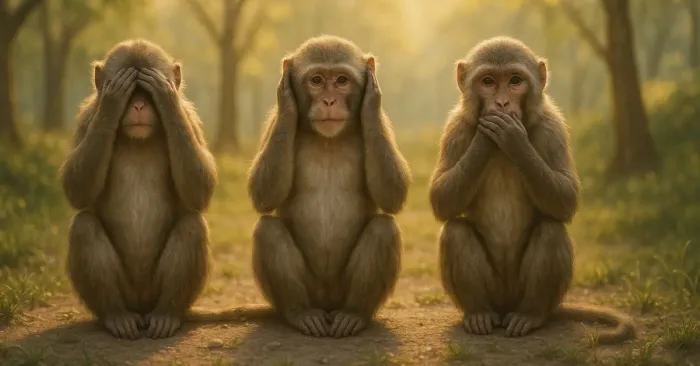
This is where Gandhiji’s principle—”See no evil, hear no evil, speak no evil”—is defied. The intellect, now powerless, loses confidence, making righteousness seem difficult.
Mental and Emotional Bondage in Modern Life
Modern life can create subtler forms of dependency through social media, gadgets, fame, status, comparison, possessions, praise, and external validation. Technology itself is not necessarily the problem. The more useful question is whether we are consciously using something or becoming compulsively dependent on it.

Consider the difference:
“I choose to use social media.” versus: “I cannot stop checking social media.”
Or,
“I appreciate people's praise.” versus: “I need people's praise to feel worthy.”
The difference is inner freedom.
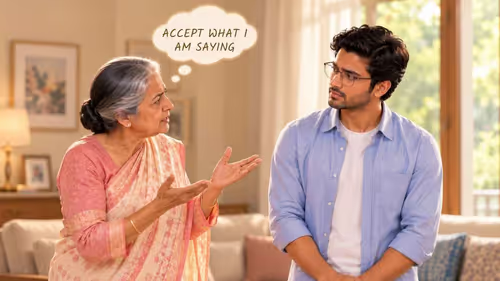
When our happiness depends entirely on people behaving according to our expectations, circumstances remaining favourable, or the world constantly validating us, our emotional state becomes dependent on forces we cannot fully control.
Inner freedom means reclaiming responsibility for our internal state. It does not mean ignoring problems or suppressing emotions. It means developing enough self-awareness to recognise thoughts and emotions without automatically becoming controlled by them

Inner Freedom: The Path to Spiritual Awakening
If outer independence requires awareness and responsible action, spiritual freedom requires self-awareness and inner discipline. Spiritual awakening begins by examining the identity from which we live.
We often introduce ourselves through our name, profession, relationships, achievements, nationality, possessions, or social status. These identities have practical importance, but spiritual understanding asks us to look deeper.
Who am I beyond my roles and labels?
When I develop awareness of myself as a spiritual being, the relationship between the self, mind, intellect, body, and senses begins to change. Instead of automatically following every thought or impulse, I can observe it.
Instead of saying, “I am angry,” I can recognise, “I am experiencing a thought that is creating anger.” That small shift creates space for choice...and choice is at the heart of inner freedom.
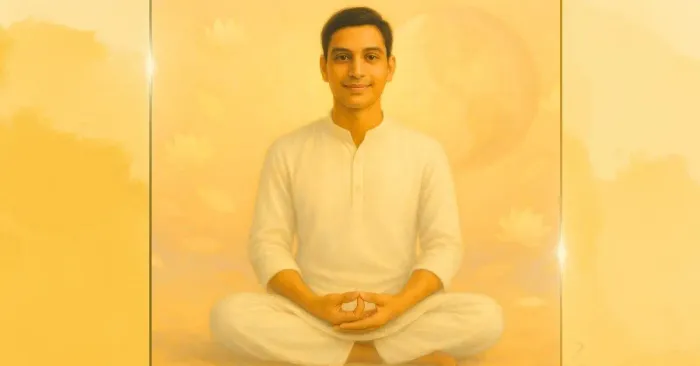
Rajyoga Meditation and Self-Sovereignty
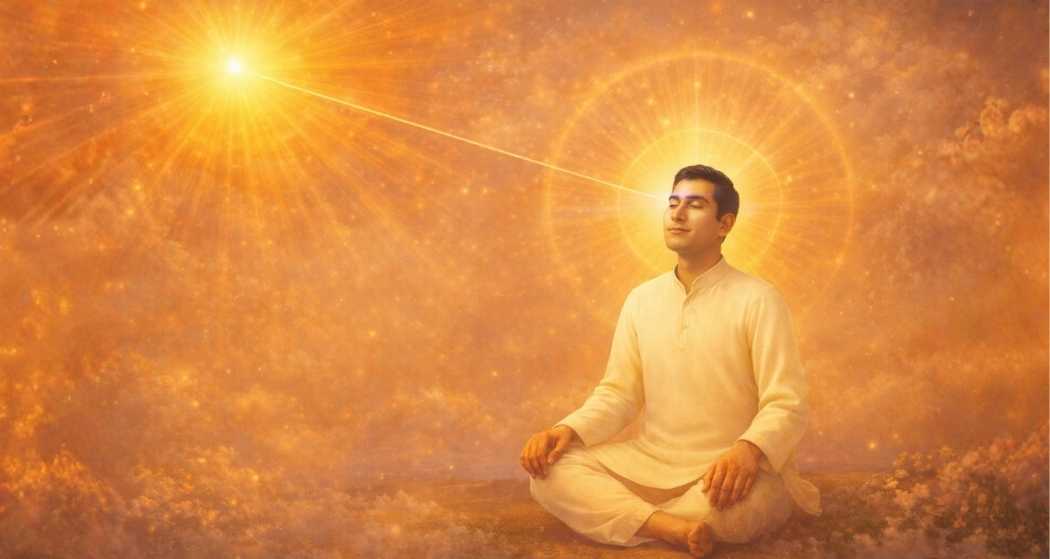
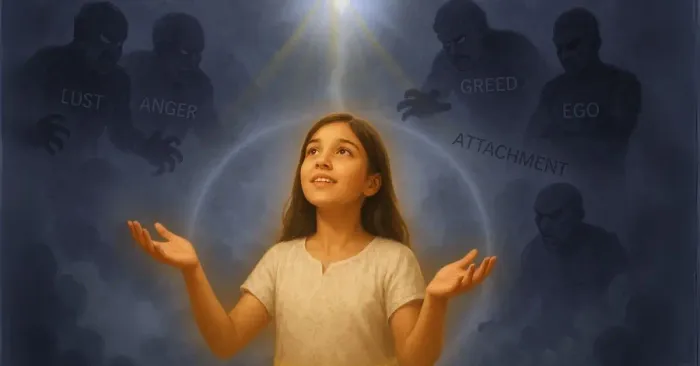
Rajyoga—which means “connection (Yoga) with the Supreme to become the ruler (Raja) of the self”—is a meditation technique that fosters sustainable freedom. When the mind is free from vices and desires, one experiences:
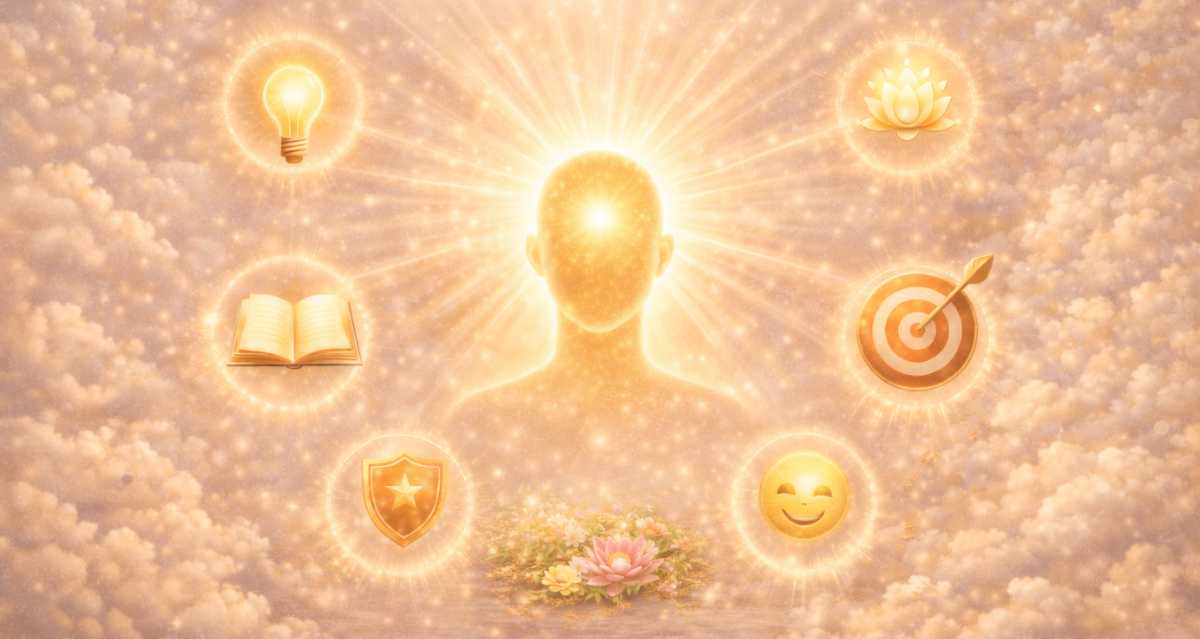
- Self-respect and love from others
- Harmonious relationships
- Satisfaction in all aspects of life
- Emotional stability, even in failure
This is the true essence of Swatantrata—self-sovereignty and inner freedom. When we rule over ourselves, we no longer seek external validation, and we remain unshaken by life’s challenges.
Essence
Real freedom is not just about political independence or fundamental rights. It is about being free from mental, emotional, and spiritual bondages. Only when we master our thoughts, emotions, and actions can we claim to be truly free.
By awakening our self-sovereignty, practicing self-control, and embracing spiritual wisdom, we can experience true Swatantrata—freedom that is not only sustained but also elevates us to greater heights of peace, security, and happiness.
True freedom begins within...