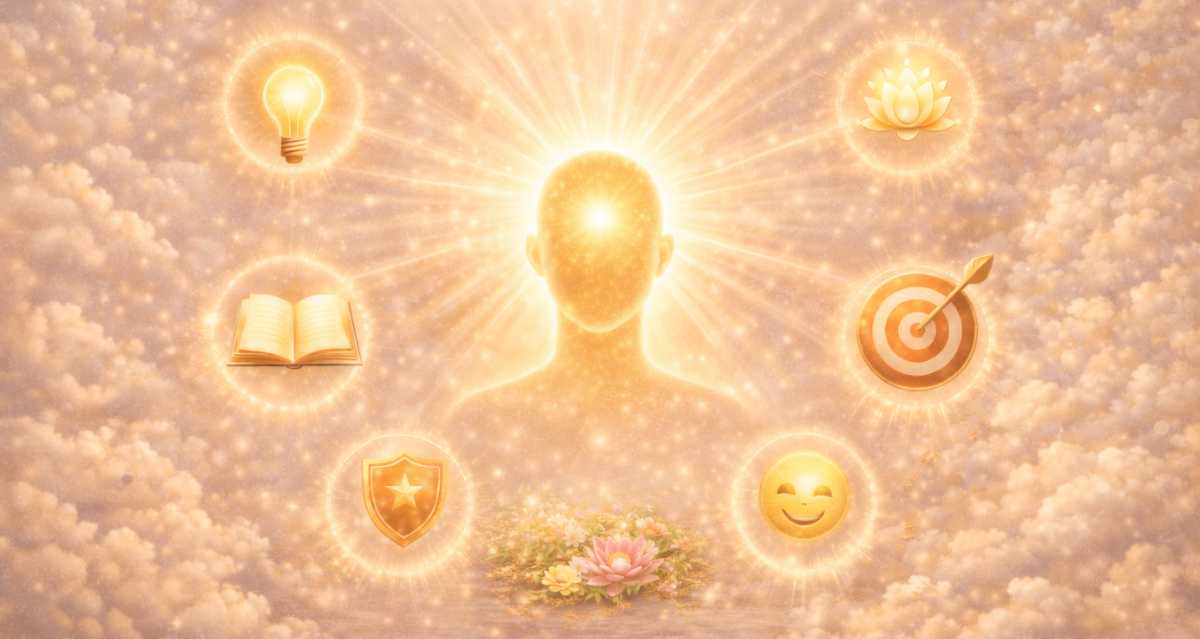
In a world where our emotions often seem at the mercy of external circumstances, the power to remain calm and peaceful amidst chaos is invaluable. We often hear phrases like “Don’t make me angry,” as if our emotional states are entirely dependent on others. But is this really the case? In this blog, we explore the concept of emotional self-mastery and how we can truly take control of our own feelings, regardless of external provocations.
What is Emotional Self Mastery and Why It Matters
The notion that others control our emotions is a common belief. It’s like thinking of our mind as a television, with others holding the remote. If they press the right buttons, we’re happy; the wrong ones, and we’re upset. But in reality, the remote should be in our hands.
Our emotional state – our “Swa-sthithi” – is our responsibility, not dictated by external “paristhiti” (situations or others’ states).
The 24-Hour Emotional Fasting Technique for Inner Peace
Imagine undertaking a 24-hour fast, not from food, but from negative emotional reactions. No matter the situation or behavior of others, we strive to remain stable and peaceful, responding with our inherent positive qualities, or ‘Sanskars.’ This practice is about overpowering negativity with positivity, a true test of emotional strength and resilience.
How to Choose Your Emotional Response in Difficult Situations
When faced with negativity, whether it’s an angry colleague or a stressful situation, we always have a choice. We can either succumb to the emotional contagion or remain unaffected, even providing healing through our stability. This choice extends to daily interactions, where we can decide to respond with peace, love, and respect, regardless of others’ behavior.
How Gratitude Builds Emotional Strength and Positivity
The mind is malleable, like a child, and it will follow our lead. By consistently practicing gratitude – starting with a morning routine of thanking God, our body, our environment, and even those who challenge us – we strengthen our internal resilience. Gratitude, especially towards challenging people and situations, increases our inner power and helps us face life’s hurdles with a positive mindset.
How Positive Thinking Shapes Your Emotional Reality
Our thoughts shape our reality. By affirming “I am a powerful soul” and “I am always happy,” we set a tone of positivity for our day. This isn’t just wishful thinking; it’s a strategic approach to cultivating a mindset that can withstand and thrive in any situation.
Key Takeaways on Emotional Self Mastery
Emotional self-mastery is not about suppressing feelings but understanding and directing them in a way that serves our well-being and personal growth. By keeping the remote control of our mind in our own hands, practicing gratitude, and affirming our inner strength and happiness, we not only improve our own lives but also positively influence those around us.
Self-Reflection Questions for Emotional Growth
Let's reflect,
- What situations typically challenge your emotional control, and how can you approach them differently?
- How can you incorporate a gratitude practice into your daily routine?
- In what ways can you remind yourself that you are the master of your emotions?

Guided Meditation Practice
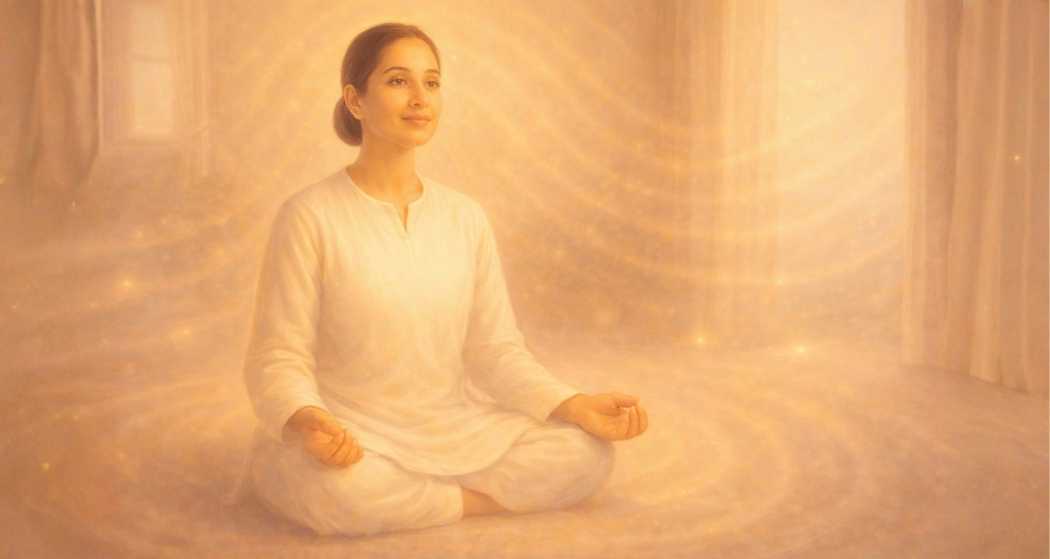
Learn how to see every challenge as a lesson and deepen your journey of emotional self-mastery. This guided meditation supports you in building self-awareness, emotional strength, gratitude which leads to inner peace.
Practice This NowRepeat these affirmations to yourself:
“I am a powerful soul. The remote control of my life is in my hands.
"I am always happy.” Feel these truths resonate within you.
Remember, you have the power to create a beautiful, peaceful life through your thoughts and responses.