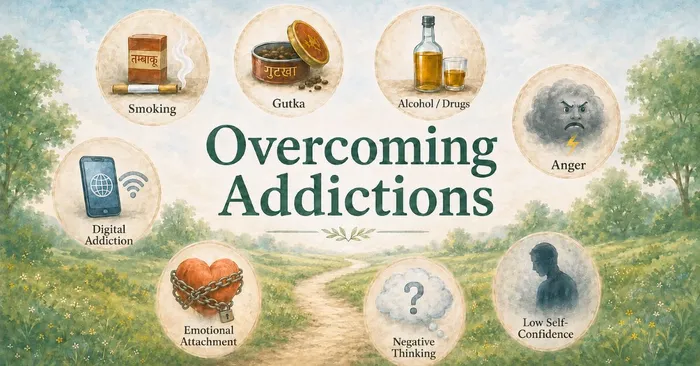
Many times in life, we adopt certain habits without realising how deeply they begin to influence us. In the beginning, they may seem small or normal, but slowly they can become compulsions that affect our thoughts, decisions, relationships and inner strength.
This special 12-audio series helps us understand not only the visible habits like smoking, gutka, alcohol or drugs, but also subtle habits such as anger, stress, attachment, negative thinking and lack of self-confidence. It gently guides us to recognise our habits, understand their deeper causes, and move towards freedom through awareness, positive thoughts, Rajyoga meditation and connection with God.
This is a journey of awakening the self, recognising our inner power and becoming the master of our mind and life once again.
Let us begin with the first audio.
When Does a Habit Become a Compulsion?
Audio 1 : When Does a Habit Become a Compulsion?
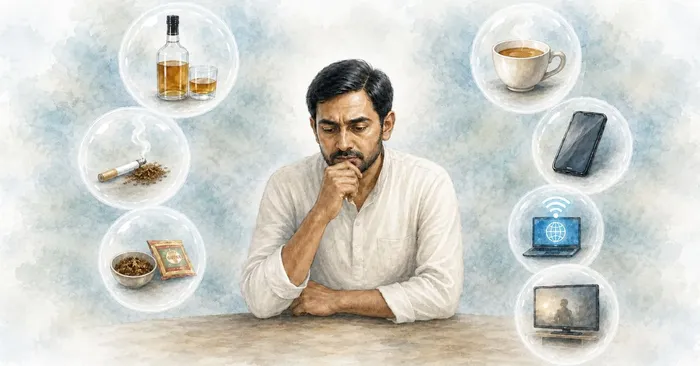
The first audio helps us look at addiction in a much broader and deeper way. It explains that addiction is not limited only to alcohol, tobacco, gutka or drugs. Many times, even tea, mobile, internet, anger, stress or negative thinking can slowly become compulsions of the mind.
A habit becomes a concern when it starts controlling our thoughts, weakening our self-control, or pulling the mind again and again in the same direction. At that point, recognising the habit with honesty becomes the first step towards transformation.
Here, we are also reminded that no habit is bigger than us. With awareness, inner strength and Rajyoga meditation, we can begin the journey of becoming the master of our life again.

Addiction Begins with “Just Once”
Audio 2 : Addiction Begins with “Just Once”
The previous audio helped us understand that any habit can slowly become a compulsion when it starts weakening our self-control.
Now let us understand how addiction often begins with the thought of,
“What is the harm in trying it just once.”
Many times, people start using substances like drugs, morphine or LSD out of curiosity, under the influence of friends, or for momentary pleasure. But true happiness does not come from any external substance; it comes from inner joy and spiritual strength.
With the right information, a strong family, timely support and spiritual strength, it is possible to come back from addiction.
This audio inspires us to create a positive environment in society and contribute towards giving the youth the right direction, belongingness and inner strength to understand and over such addictions.

Main Reasons Behind Addiction
Audio 3 : Main Reasons Behind Addiction
The previous audio explained how addiction can begin with the thought of “just once,” and gradually start affecting the mind, body and life values.
This audio takes us deeper into the causes behind addiction. It explains that addiction is not simply about a substance; many times, it begins from an inner state of stress, confusion, loneliness, restlessness or the inability to face a situation. A person may then look for instant relief through a cigarette, alcohol, a pill or any other habit. But the relief received from external things gives only a temporary illusion. The situation remains the same, and the power to handle it slowly becomes weaker.
A beautiful message for families — If a member is moving towards a wrong habit, scolding alone is not the solution. They need love, time, communication, trust and self-respect.
This audio reminds us that, criticism does not work when helping someone to change; but understanding, patience and supporting them does. If we can awaken hope and trust in someone’s life, that can become the greatest help for them.
One Person’s Habit Affects the Whole Family
Audio 4 : One Person’s Habit Affects the Whole Family
The previous audio helped us understand that behind addiction, there are often deeper reasons such as stress, loneliness or inner restlessness.
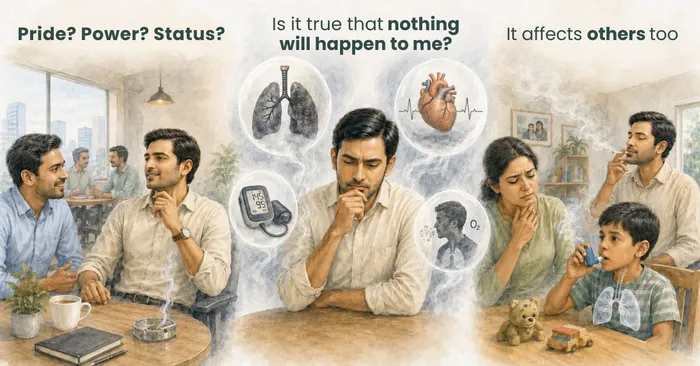
Now this audio focuses on smoking — a habit that many people consider normal, but it affects not only the body, but also the family and the people around us. Cigarettes contain nicotine and many harmful chemicals, which can seriously affect the lungs, heart, blood pressure and overall health. Thinking that,
“Nothing will happen to me”
...is actually deceiving the self.
Smoking does not harm only the person who smokes. It can also harm the people around them, especially children. That is why it is not only a personal habit, but also a responsibility towards the family and society.
The greatest power to change this habit is firm determination. Change is possible through understanding the self, patience and the right support.
This audio inspires us to help the person understand why they have moved towards that habit. Because with the right communication and inner strength, a person can return to the right direction again.
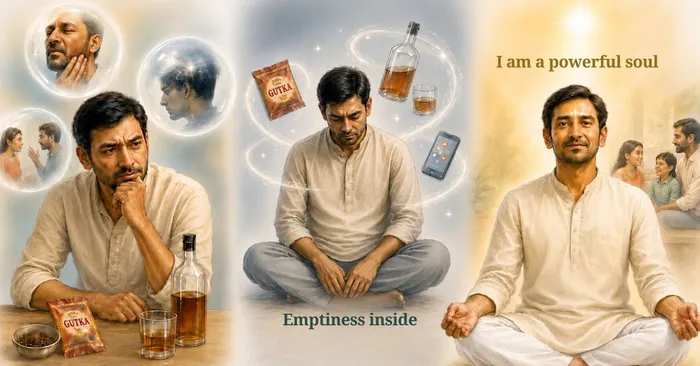
Gutka and Alcohol : A Small Habit, A Big Loss
Audio 5 : Gutka and Alcohol — A Small Habit, A Big Loss
The previous audio explained how smoking affects not only one person, but also the family and the people around them.
In the same way, other habits like gutka, tobacco and alcohol, slowly affect the body, mind and relationships too.
The nicotine present in gutka can cause serious problems related to the mouth and body. Similarly, alcohol may seem to reduce stress or give a feeling of lightness in the beginning, but with time it negatively affects thinking ability, health and family life.
This audio explains that the real challenge is not only these substances, but the inner emptiness where a person starts depending on external supports for happiness and peace. Rajyoga meditation, self-respect and connection with God make a person strong from within. The practice of “I am a powerful soul” increases willpower and helps us come out of weak habits.
This audio encourages us to understand and support anyone who is struggling with addiction, and to guide them towards the right help with care and respect.
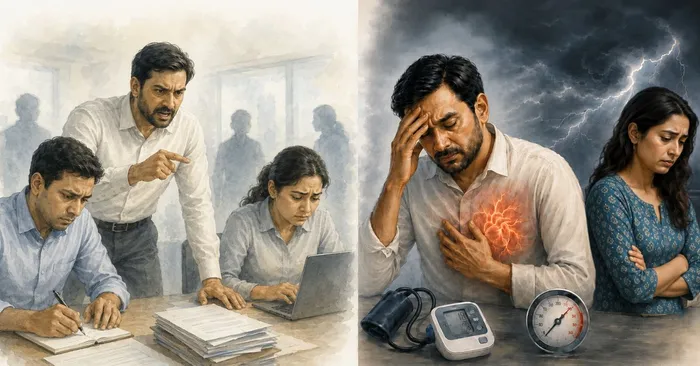
How to Change the Habit of Anger?
Audio 6 : How to Change the Habit of Anger?
Until now, the series has explained addictions that are taken through the body, such as gutka, alcohol and other substances. From this audio onwards, we begin to understand subtle addictions — habits that are not visible, but affect the mind, health and relationships from within.
Anger — it a habit that we often consider our nature. But the original nature of the soul is peace. Anger is only a created sanskar, which can be changed through the right practice and inner strength.
Often, the mind starts believing that work gets done faster through anger. But in reality, it harms us the most. Anger affects not only relationships, but also health. It weakens the heart, blood pressure and peace of mind. Words spoken in anger leave an impact even after saying “sorry.”
The first step is to change the belief that anger is power. Checking the self again and again, remembering our peaceful form, and practising Rajyoga meditation slowly weaken this habit.
This audio inspires us to stop using anger as a way to get things done, and instead choose peace, patience and inner strength to protect our relationships and health.
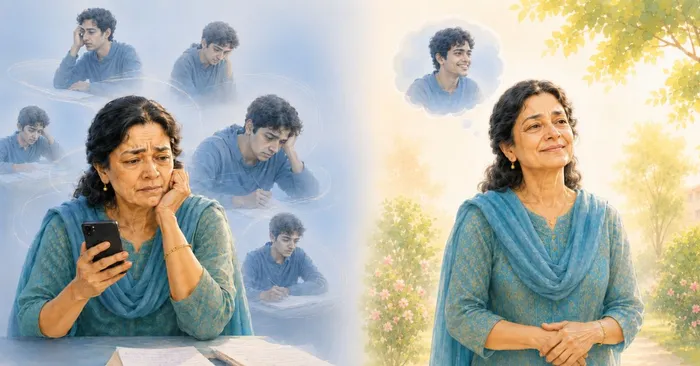
The Difference Between Love and Attachment in Relationships
Audio 7 : The Difference Between Love and Attachment in Relationships
Sometimes a relationship is very loving, but slowly that same relationship becomes our compulsion. When the mind keeps getting entangled in the same person again and again, when there is restlessness, or when it becomes difficult to give them freedom, we need to understand that love is somewhere taking the form of attachment.
True love is happy to see the other person grow and gives them freedom. But where there is holding, control, fear, expectation or constant pain, the energy of love does not remain pure. Attachment increases when we connect our identity with a relationship. Then, when that person goes away, we feel as if our own identity is shaken.
This audio explains that we need to observe our thoughts and feelings as a detached observer, recognise where the mind is getting trapped, and remind ourselves —
“I am a loveful soul. I am complete.”
When the soul fills itself with God’s love, demand in relationships reduces and the power to give increases.
This audio inspires us to make relationships a beautiful support, not a bondage — with freedom, good wishes and respect, not holding and pain.

Why Is Motivation Necessary to Leave an Addiction?
Audio 8 : Why Is Motivation Necessary to Leave an Addiction?
This audio explains that to leave any habit or addiction, inner motivation is the most important. Unless a person truly wants to quit an addiction or change a habit from within, advice, information, or fear alone cannot bring complete change.
A person under the influence of a habit may feel weak from within and, at such a time, they do not need criticism or insult; they need love, respect and support. This audio shares a beautiful thought that the person and their habit are separate. The feeling, “Even with this habit, I accept you,” (but I don't accept the habit) awakens both hope and transformation.
Through Rajyoga meditation, a person experiences God’s selfless love which gives power to the soul, and hence the need for external supports begins to reduce.
This audio reminds us that to help someone change, we need to give love, acceptance and self-confidence, not criticism. True motivation becomes the beginning of transformation.

A Simple Way to Change a Habit
Audio 9 : A Simple Way to Change a Habit
The previous audio explained that to leave any habit or addiction, true inner motivation is necessary.
This audio shows that after motivation, the next step is to take small actions in the right direction. Change does not happen only by thinking; it happens through daily practice.
One a simple practice would be — write down the harm caused by the habit, identify the benefits you feel you receive from it, and then think about how the same benefits can be received in a healthy way. For example, taking support from meditation and positive thoughts for peace instead of intake of pills in order to get a good sleep.
Meditation gives the power to change old sanskars and create new ones. Thoughts like “I am a peaceful soul” give the mind a new direction.
Another practice is when the desire for the habit arises, do not react immediately. Pause for a few minutes, shift your attention, speak to someone or do something positive — this can reduce the intensity of the desire.
In this way, this audio inspires us to create new and elevated life-sanskars through positive thoughts, good wishes and regular practice — for ourselves and to help others.
After understanding habits and the inner patterns behind them, the series now moves towards personality. As we begin to recognise the self, many inner struggles become clearer. Yet, everyday situations continue to test our awareness. In those moments, the thoughts we create, the reactions we choose and the sanskars we repeat begin to shape how we face life.
This is where personality begins. It is not just how we look or present ourselves, but how we respond to people and situations from within. This leads us to the next audio — the real foundation of personality.

What Is the Real Foundation of Personality?
Audio 10 : What Is the Real Foundation of Personality?
This audio explains that true personality is not shaped only by looks, clothes, speaking style, or outer presentation, but by our sanskars, behavior, and the way we handle people and situations. It highlights that our habits and sanskars influence how we think, speak, and act. The audio also gives a deeper meaning to “first impression,” explaining that it is created not just by appearance, but by our vibrations.
While outer presentation has its place, inner qualities like peace, self-confidence, truthfulness, and self-respect are what make a personality complete and truly powerful.

When Thoughts, Words and Actions Are One
Audio 11 — When Thoughts, Words and Actions Are One
This audio explains that true self-confidence is not just about appearing confident externally, but about having harmony between our thoughts, words, and actions. When there is a gap between the inner and outer self, it creates inner conflict that reflects in our behavior.
From a spiritual perspective, self-confidence is the soul consciousness, and remembering that all souls are equal helps reduce comparison and insecurity. The audio also highlights that speaking a clear and respectful “no” creates honesty and inner peace, inspiring us to live with unity, self-acceptance, and calm, true confidence.

Positivity : Seeing Strength in Every Situation
Audio 12 : Positivity — Seeing Strength in Every Situation
This final audio explains that positivity is not just thinking positive thoughts, but having the ability to find learning, strength, and benefit in every situation. Instead of getting stuck in problems and asking “Why did this happen?”, we can become stronger by focusing on,
“What is the solution now?”
From a spiritual perspective, every scene in life brings hidden learning, and this understanding helps us remain peaceful, powerful, and a source of strength for others.

This special 12-audio series helps us look at our habits more deeply — not just from the outside, but through the thoughts, beliefs and sanskars behind them.
A habit may seem normal in the beginning, but when it starts controlling the mind, weakening our decision-making power, or affecting relationships and life, it needs to be seen with awareness. Whether it is a physical habit, or subtle habits, every transformation begins with awareness.
These audios do not make us feel guilty; they awaken the belief that change is possible. When we recognise a habit, understand its cause and choose a healthier direction, old compulsions slowly begin to weaken. Through Rajyoga meditation, soul-consciousness and power from God, we can become the masters of our mind again.
The real benefit of this series comes when we take one small step every day — recognise one habit, make one pledge, and begin to create a new elevated sanskar. This is the journey from living under the control of habits to becoming the master of our life.