
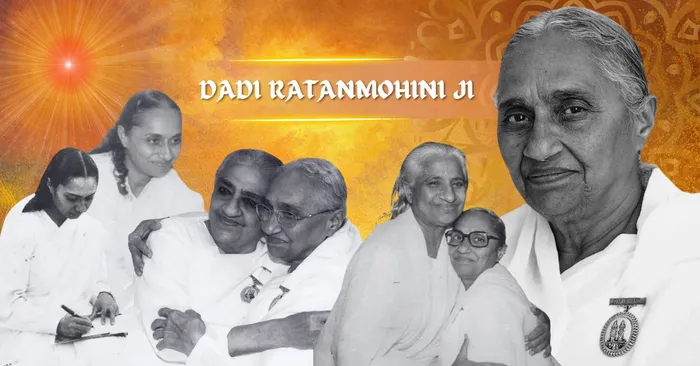
To remember Dadi Ji is not only to remember a spiritual leader. It is to remember a life shaped by faith from childhood, refined through years of study and tapasya, and dedicated fully to Godly service.
From her early spiritual awakening in Om Mandli to years of service in India and abroad, and from guiding sisters to inspiring youth, this tribute follows the journey of a life shaped by faith, discipline, and responsibility. In remembering her, one also comes close to the values she lived so naturally and so fully.
What made her unforgettable was not only what she did, but the way she did it — with quiet conviction, consistency, and an inner closeness to God.
On her first ascension day, 8 April, this tribute walks through her life to experience the quiet beauty of her spiritual legacy.
A Childhood Touched by Devotion
Dadi Ratanmohini Ji (name later given to her) was born on 25 March 1925 in Hyderabad, Sindh, as Lakshmi. She was born into a family where devotion was part of daily life. Prayer, faith, and reverence already had a place there, and these impressions quietly shaped her inner world from a young age.
She was also sincere in studies. Sharp, disciplined, and attentive, she carried a natural seriousness even as a child. Those qualities would stay with her throughout life. In later years too, she remained a student — someone who never stopped learning, never stopped listening, and never stopped deepening her understanding.
From an early age, devotion and discipline came together naturally in her life, giving her a nature that was both gentle and steady.
When Silence Became Experience
A defining turning point came in 1937, when Lakshmi was around 12 years old. During school holidays, she went with her mother to Om Mandali (now known as Brahma Kumaris).
When the satsang began with the sound of “Om”, she entered a very deep inner state. She experienced profound peace. Awareness of the body faded, and she felt as if she had moved into a world of light and silence. It was not simply an emotional moment. For her, it was a profound spiritual experience.
Later, when she met Brahma Baba, she had a deeper experience.
In his presence, she felt that a higher, divine power was speaking through him.
She did not feel she was meeting just another elder or teacher. There was recognition in that meeting. A spiritual relationship awakened naturally.
She experienced in Brahma baba a fatherly bond; and the inner connection with Shiv baba through Brahma baba became one of the defining truths of her life. From there, her journey was no longer only one of devotion. It became a journey of belonging.
The School Where Learning and Spirituality Grew Together
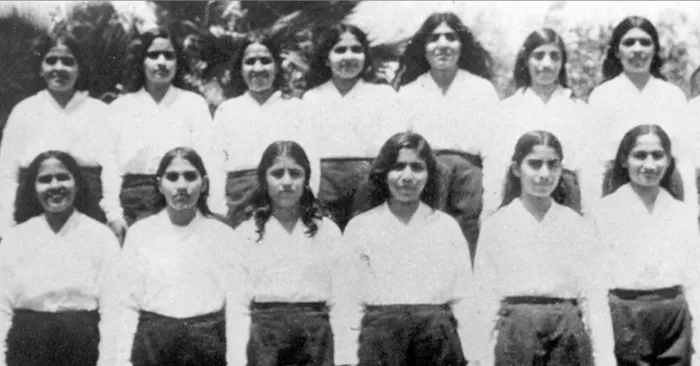
One beautiful and important detail of Dadi Ji’s early life is that her education continued within the atmosphere that had already begun to nourish her. Initially, she did not receive immediate permission from home to fully move into this new spiritual path. Her family wanted her to continue her formal education.
Around that time, Brahma Baba had started a small school for children, where formal education was taught along with spiritual lessons. This allowed her to continue learning in the formal sense while also growing in the spiritual environment that had already touched her so deeply.
There were three classes in that school — one for younger children, one for middle-school children, and one for older students. Although she was still young, she was placed directly in the third class because of her sharpness, and interest in study.
And so, in that small school, two streams began flowing together in her life — learning and awakening. She listened, absorbed, reflected, and understood. The knowledge she received did not stay on the surface. It began shaping her from within.
How Lakshmi Came to Be Known as Dadi Ratanmohini
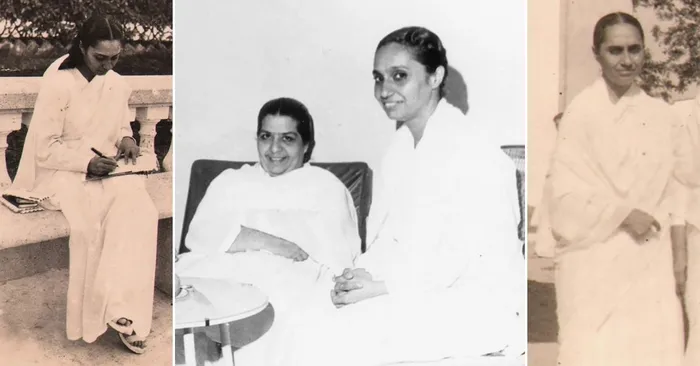
As Lakshmi continued in the spiritual path, her qualities became increasingly visible in daily life. She was sincere in study, steady in nature, disciplined in conduct, and practical in living what she learned. Brahma Baba saw these qualities and gave her the name Ratanmohini.
With time, that name came to feel deeply fitting. It was not simply a new name; it reflected a way of being. She became known for a life in which knowledge was not only heard, but lived. She did not keep spiritual teachings in words alone. She brought them into routine, service, conduct, and relationships. That is what gave her life quiet credibility.
What she understood, she practiced.
What she practiced, she carried into service.
Years with Brahma Baba
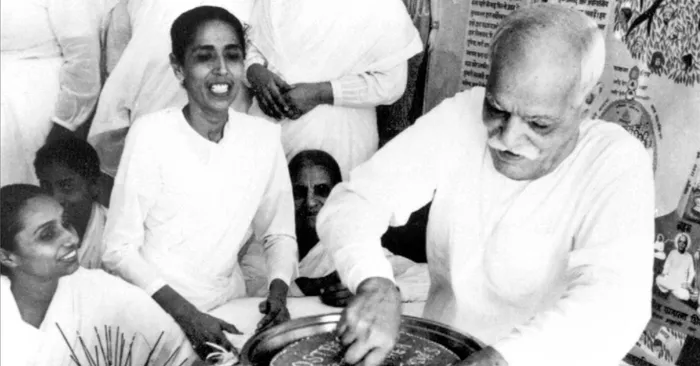
From 1937 to 1969, until Brahma Baba became avyakt (left his mortal coil), Dadi Ji remained closely connected with him. These were not merely years of proximity. They were years in which her whole inner life was being shaped. She belonged to the foundational years of the Brahma Kumaris— years marked by discipline, meditation, tapasya, study.
She would say that when she saw Brahma Baba, she did not see him in an ordinary way. She often experienced the Supreme through him, and there was a natural, effortless connection of the intellect. Even as a child, the feeling would arise strongly within her:
“This is my father.”
When she walked from school to home, that remembrance would continue in her mind. These thoughts were not childish thoughts. They were elevated thoughts, shaped by the power of the knowledge she was hearing.
She also recalled how naturally the children stayed with Baba — talking with him, walking with him, sitting with him like small children with a parent. Yet beneath that simplicity was a deep awareness: that God was working through this chariot. They watched his face, his actions, his words, his interactions — not casually, but with reverence. In his every act, they felt there was something to learn.
This phase of dadi ji’s life shows that her authority came from years of spiritual study, close observation of Brahma Baba’s way of working, consistent self-discipline, and faithful practice of knowledge and meditation.
Service In Japan
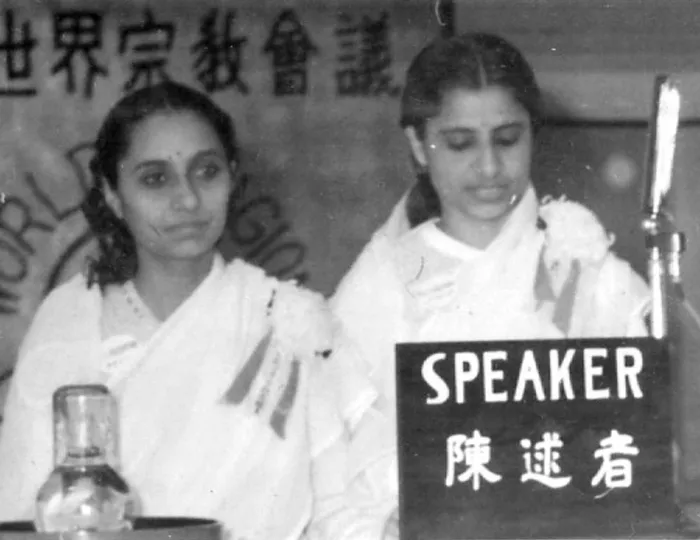
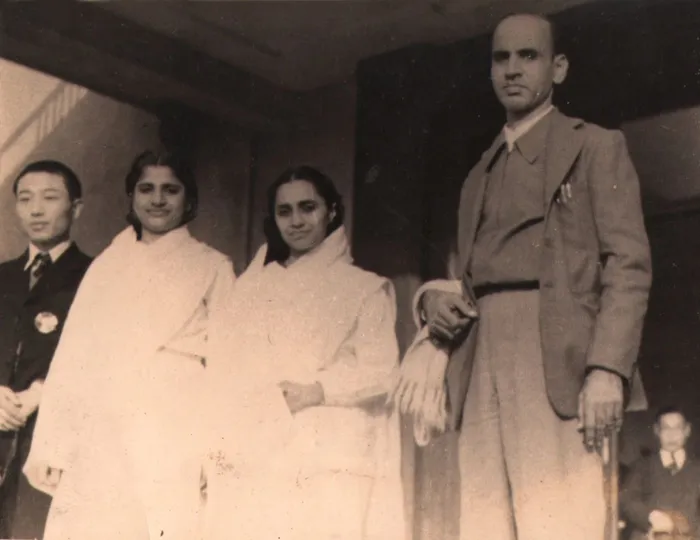
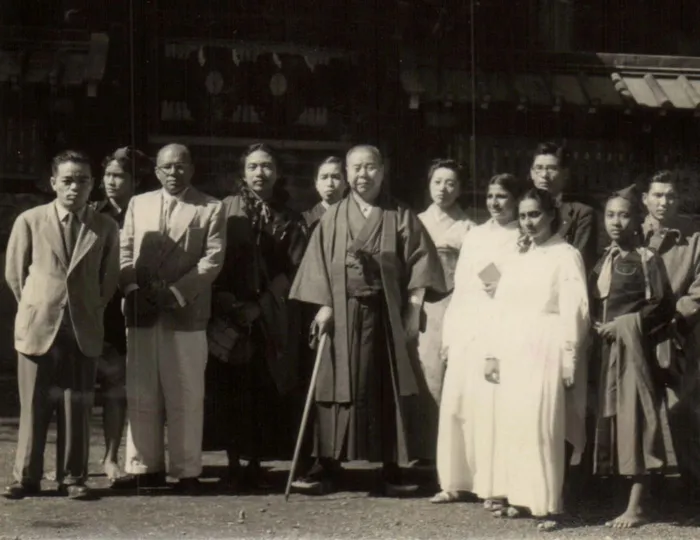
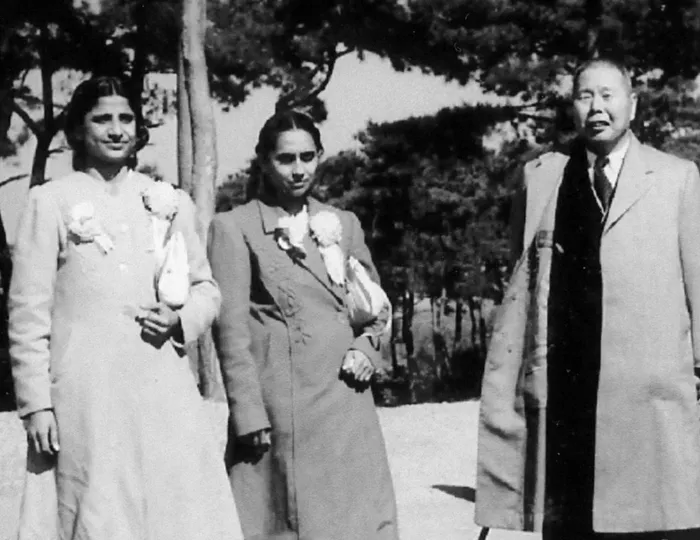
Crossing Borders Early: Service in Japan
After the organization shifted to Mount Abu in 1950, the period of intensive tapasya gradually opened into wider public service. Dadi Ji became one of the important instruments in taking spiritual knowledge to different parts of India and the world.
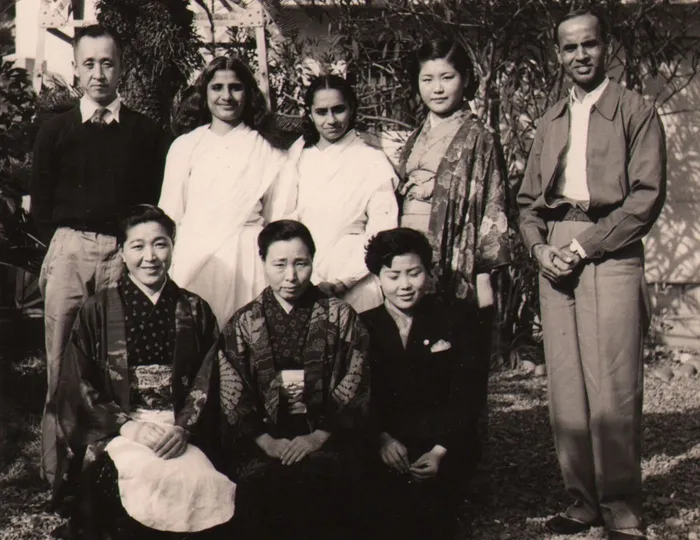
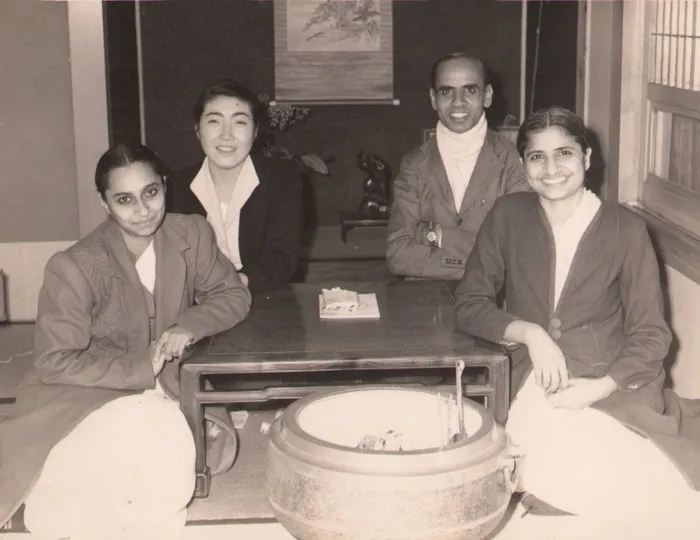
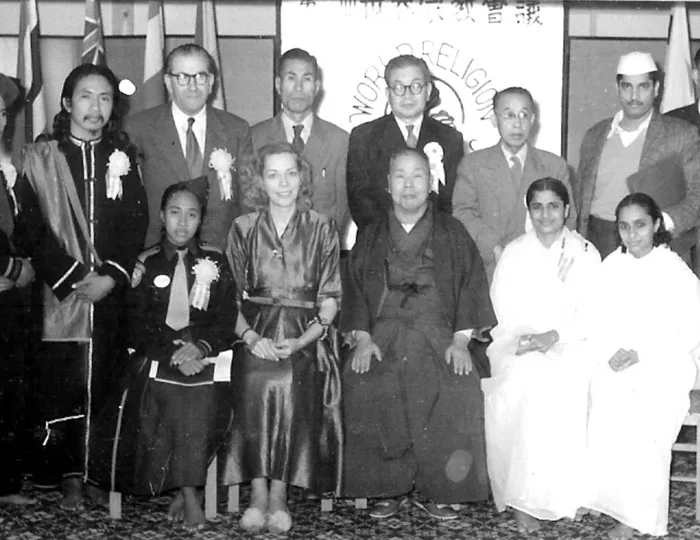
One of the most distinctive chapters of Dadi Ratanmohini Ji’s international service began in 1954, when she stepped onto foreign soil for the first time. She traveled to Japan with Dadi Prakashmani Ji and Dada Vishwakishor Ji to attend a World Peace Conference. This was not only her first overseas journey; it was also one of the earliest chapters of Brahma Kumaris service beyond India.
This service was pioneering in every sense. The culture was different. The language was different. The spiritual framework being shared was unfamiliar. Yet Dadi Ji did not go with hesitation. She went with the clear feeling that if Baba had sent them, then the message had to be shared with sincerity and depth.
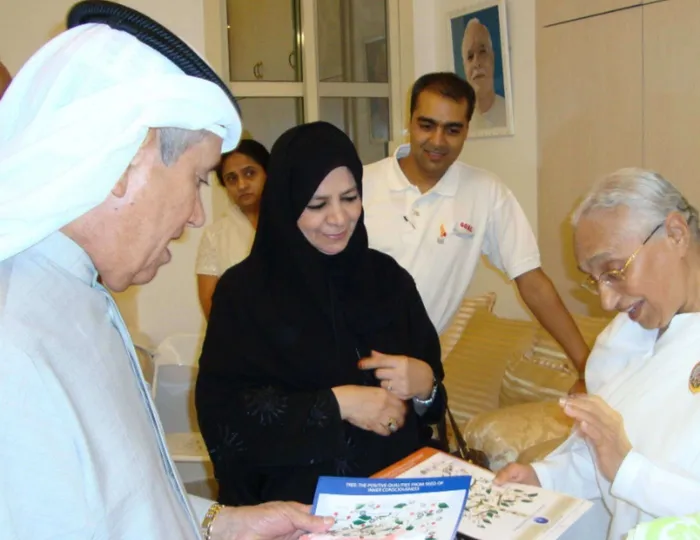
One especially memorable part of that service was the use of the tree chart, through which spiritual knowledge could be explained visually. This simple but powerful method created such a strong impression that a Buddhist institution requested for 5,000 copies of the chart to be printed. That single detail reveals how deeply the service was received.
She remained in Japan for several months, and despite language barriers, the service moved forward.
Other Early Overseas Service: Singapore and Hong Kong
In that same phase as Japan service, Dadi Ji also served in Singapore and Hong Kong, remaining abroad for close to a year.
Despite the language and culture barrier, dadi ji’s spiritual courage, adaptability, and the capacity to explain deep truths to people from very different backgrounds was profound.
That is what makes these early years stand out. Their service laid early foundations for international expansion.
Service in India



Service in India
One of the major chapters of Dadi Ratanmohini ji’s India service was her long period in Mumbai from 1956 to 1969.
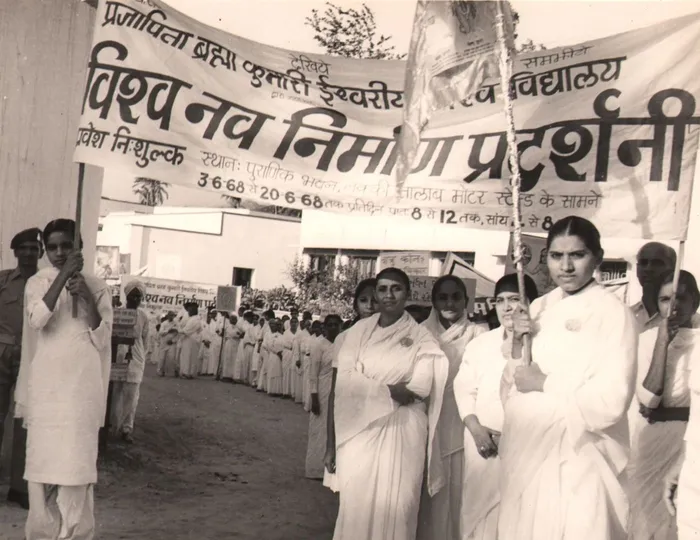
At the time, it was not common for women to stand in visible spiritual leadership. Yet Dadi Ji, along with the senior sisters, served with such depth, dignity, and conviction that people were drawn to listen. Through classes, public programs, spiritual gatherings, and center-based outreach, she helped strengthen service in Maharashtra and beyond.
Her role in India became even wider over time. She went on to support the growth of the institution through guidance, spiritual administration, training, and service planning. She was also deeply connected with the shaping of sisters who would later become instruments across India and abroad.
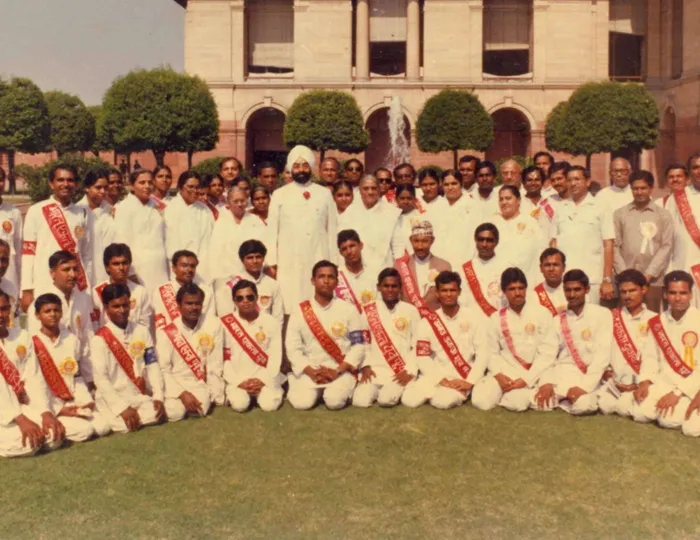
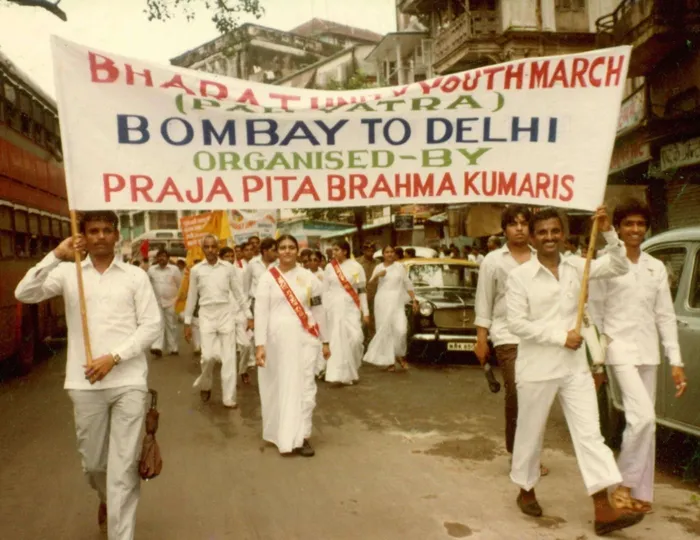
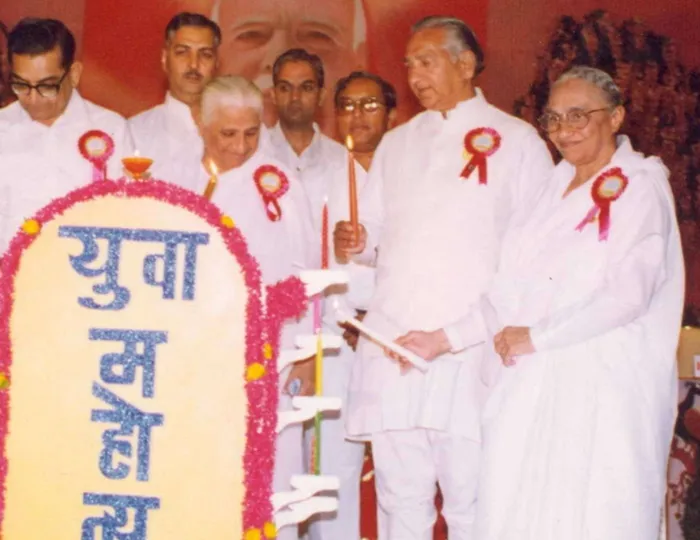
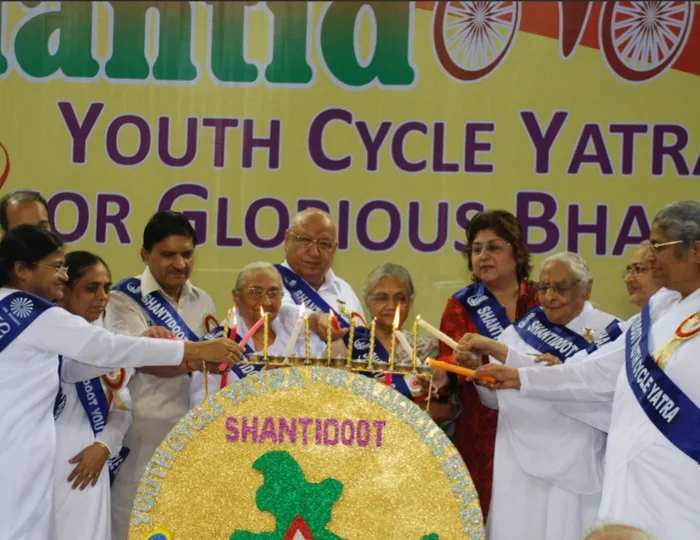
Service with the Youth Wing: Her contribution to youth service was another major and very visible stream. For decades, she guided the youth wing and helped inspire large-scale campaigns carrying messages of peace, moral values, unity, de-addiction, and nation-building. Among the most significant of these were,
- 1985 Bharat Ekta Yuva Padyatra
- 2006 Swarnim Bharat Yuva Padyatra.
The 1985 Bharat Ekta Yuva Padyatra was historic in both scale and spirit. Twelve yatras were launched simultaneously across the country. The longest route, from Kanyakumari to Delhi, covered 3,300 km, while together the yatras covered 12,550 km. The participants walked through villages, towns, schools, and institutions, carrying a message against addiction and for national unity.
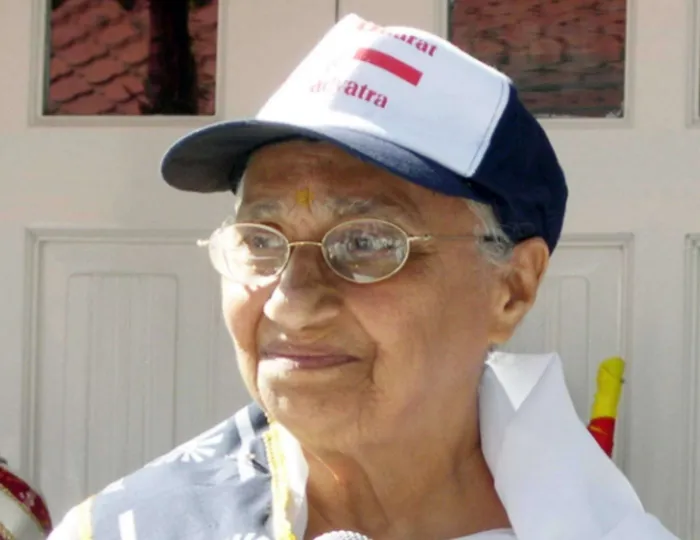
Then came the 2006 Swarnim Bharat Yuva Padyatra, recognized in the Limca Book of Records as the world’s longest padyatra of its kind. It began on 20 August 2006 in Mumbai and concluded on 29 October 2006 in Tinsukia, Assam. Across the country, the movement covered nearly 30,000 km, involved five lakh Brahma Kumars and Kumaris, and carried a message of peace, love, unity, harmony, world brotherhood, spirituality, and freedom from addiction to around 1.25 crore people.
Dadi ji firmly believed values had to reach society. Youth had to be awakened. Character had to be strengthened. Spirituality had to become practical.
Her Role in Training Sisters and Strengthening the Institution
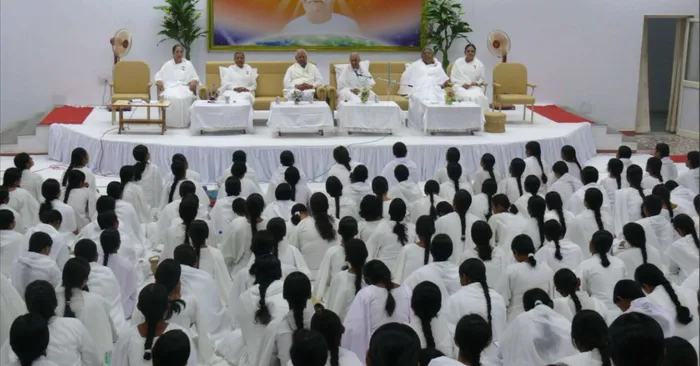
Dadi Ji became deeply associated with the Teachers’ Training Program, and under her guidance many sisters were prepared for a life of dedicated spiritual service. This training was not limited to knowledge in the intellectual sense. It included discipline, routine, values, conduct, lifestyle, and the inner attitude needed to live and represent spiritual teachings properly.
This was one of her greatest contributions because it shaped the future quietly. Institutions do not grow only through the teachings. They grow through the quality of the people who carry them. Dadi Ji helped shape that quality.
Service in London and the United Kingdom
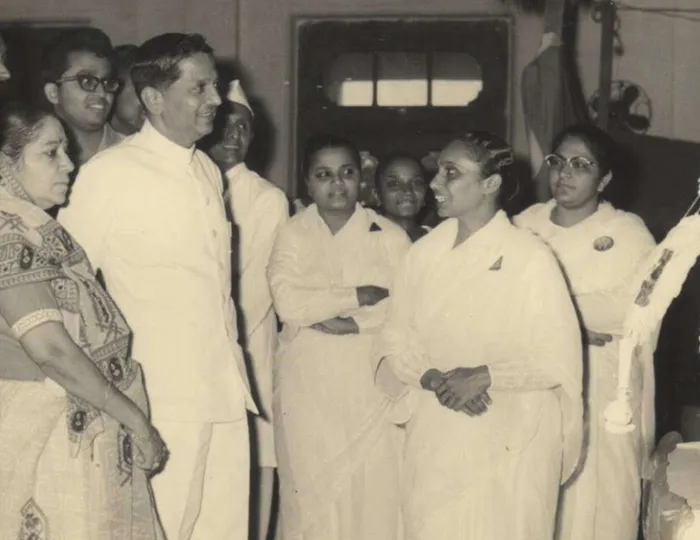
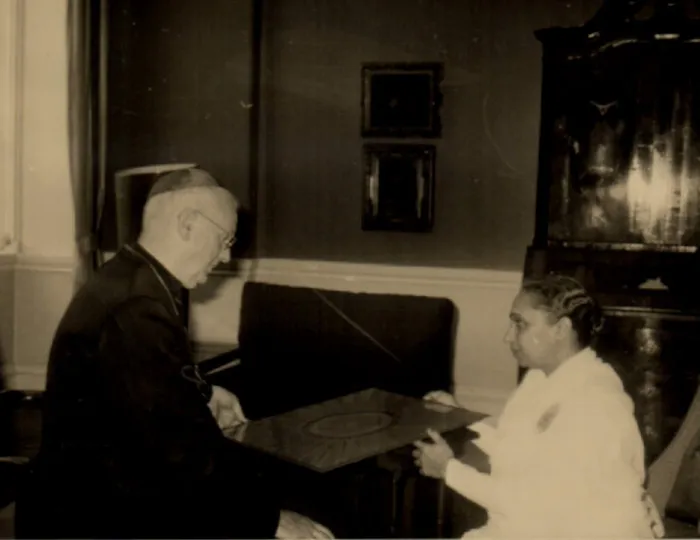
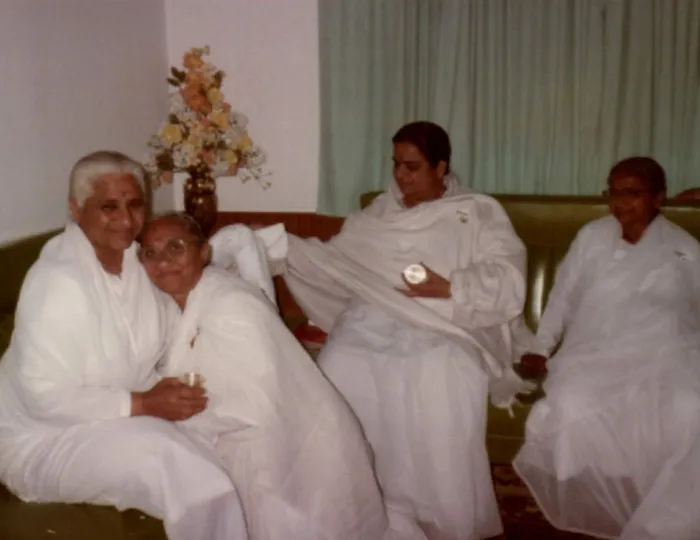
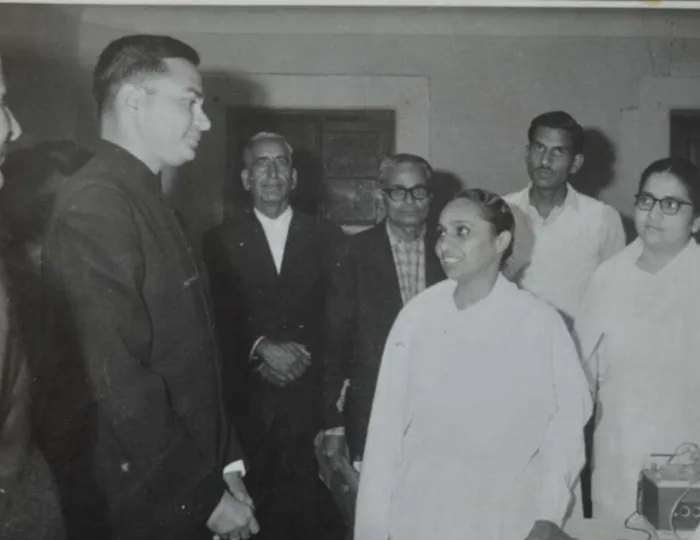
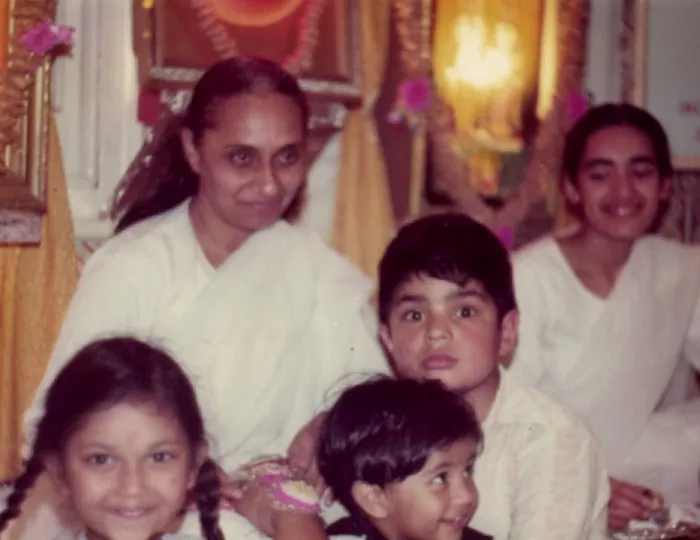
Service in London and the United Kingdom: Strengthening the Early International Centers
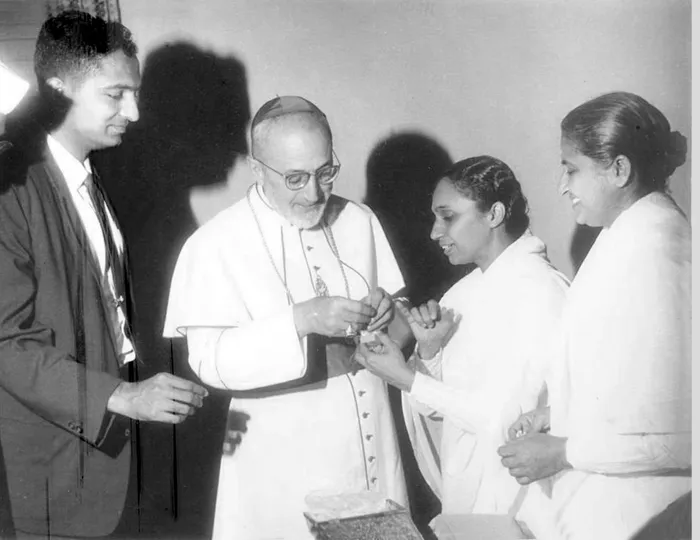
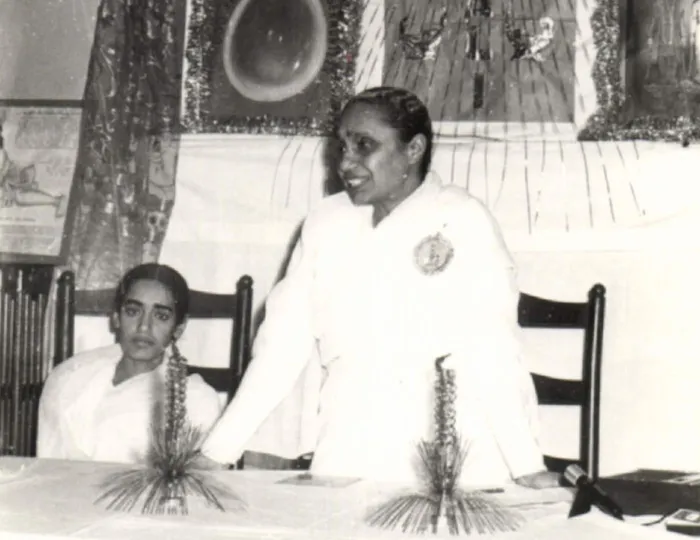
Another important chapter unfolded in London and the UK, where Dadi Ji served from 1972 to 1974. The center there was still in its early phase. Spiritual knowledge had to be shared patiently, personally, and with depth.
Dadi Ji welcomed seekers personally, explained the knowledge with warmth, and shared the lived experiences of the early Yagya. Her words carried authenticity because they came from experience, not theory.
She also visited places like Leicester, where people from migrant and refugee communities came into contact with the teachings. Several individuals and families became deeply connected through such service. What she offered was not complexity. It was truth spoken simply, with the weight of lived experience behind it.
Global Services
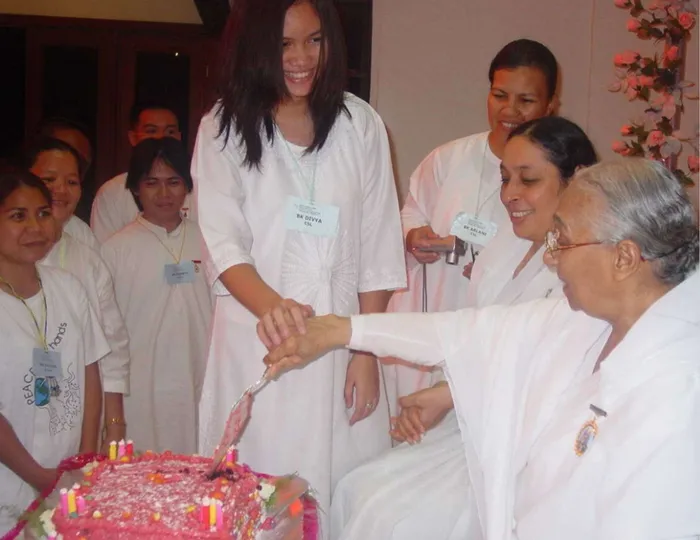
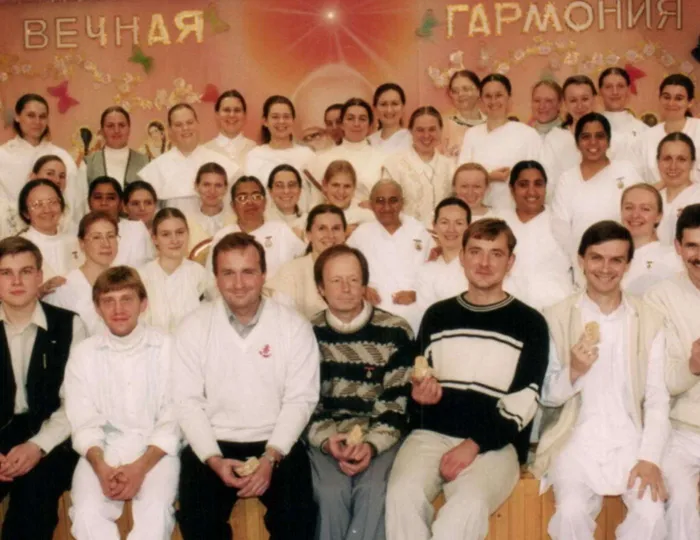
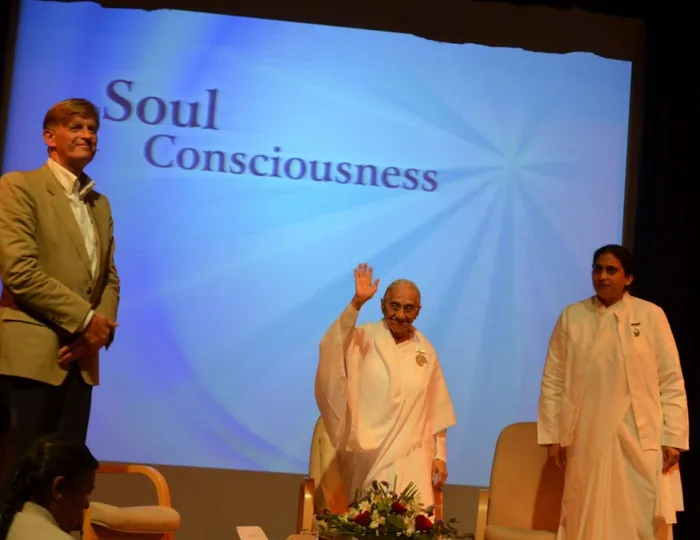
Her Wider Global Service
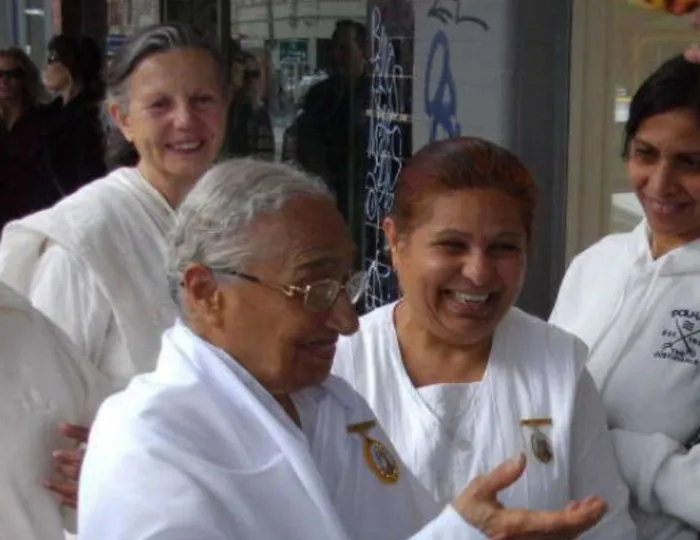
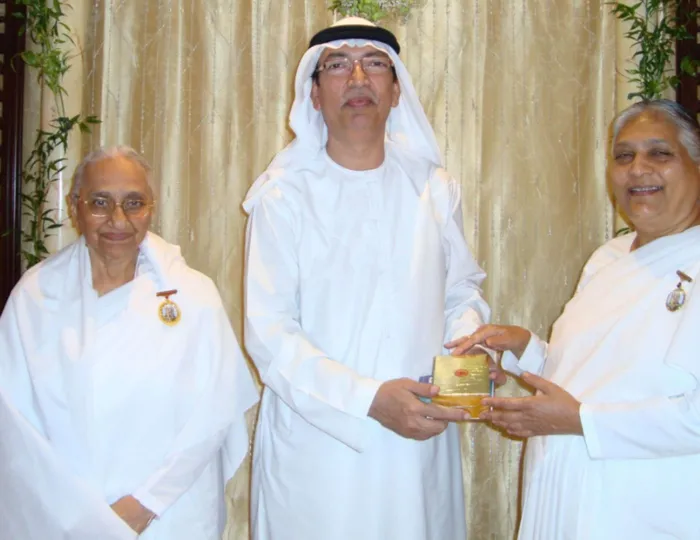
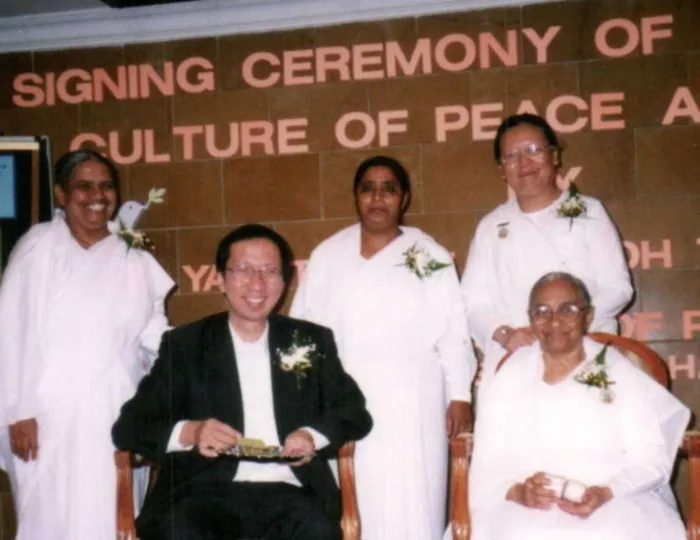
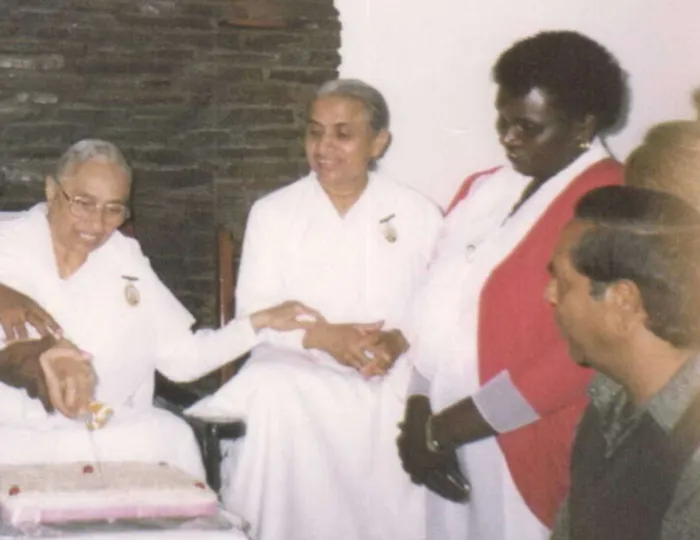
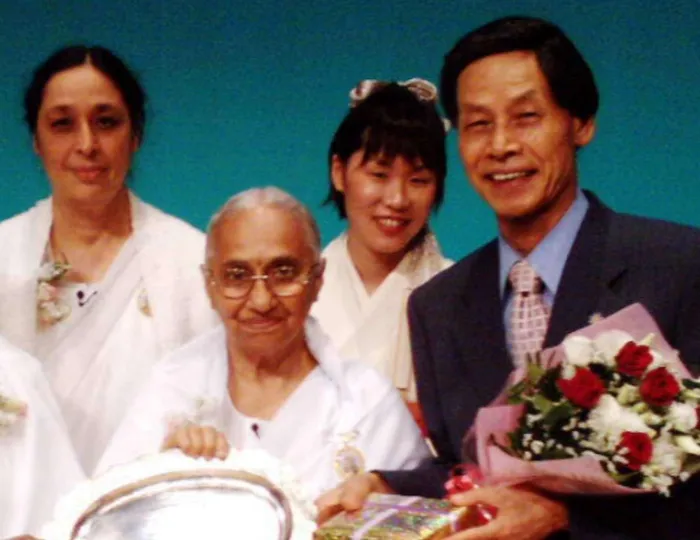
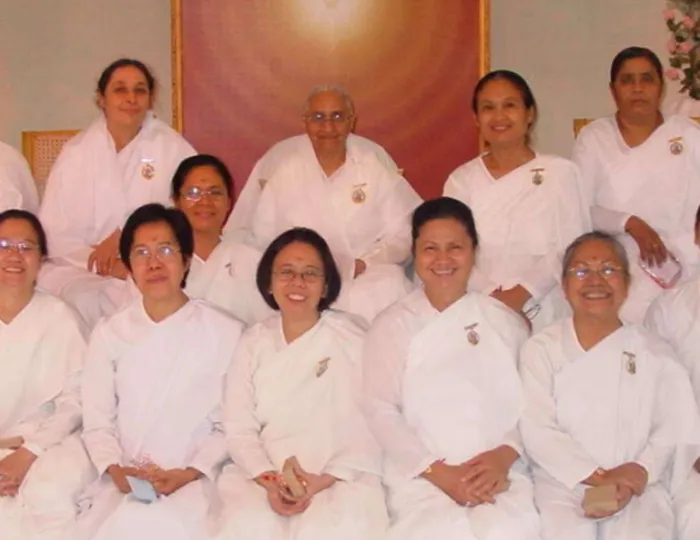
Over the years, Dadi Ji also served in other countries including Russia, Australia, New Zealand, Dubai, and the USA. In each place, the message remained steady: know the self as a soul, connect with the Supreme, and let that awareness guide daily living.
Her service was also recognized through honours connected with spirituality, women’s empowerment, human welfare, and lifelong service. Yet recognition never altered her simplicity. She remained grounded in the same quiet way.
Her Recognition and Honors
What Made Her Presence So Memorable
Dadi ji carried a rare balance. She did not speak more than what was needed. There was a quiet maturity in the way she absorbed situations and remained inwardly steady. Her smile had gentleness, and her way of guiding others was always practical, thoughtful, and reassuring.
Yet with all her depth and discipline, she was never distant. She cared deeply, trained patiently, observed quietly, and supported others with constancy.
This discipline was visible even in the smallest details of her life — the regularity of her routine, her consistency in meditation, and the steadiness of her conduct. She showed, through her own example, that spirituality could be lived simply, naturally, and with quiet dignity.
A Quiet Testimony to Her Guidance
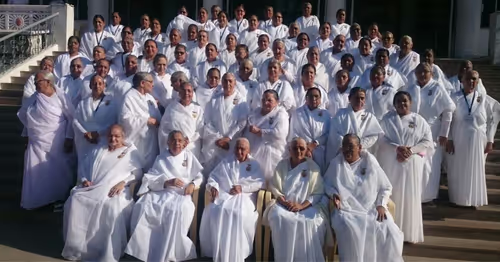
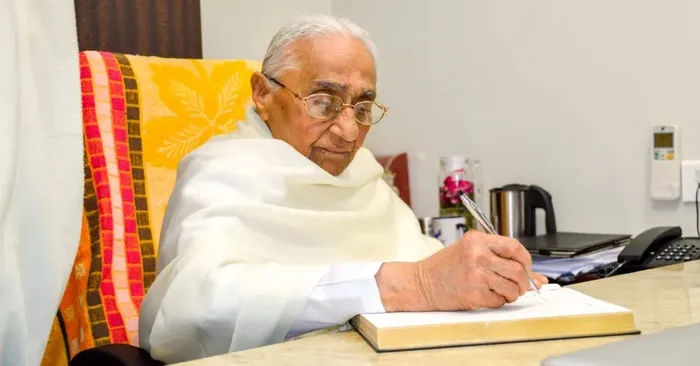
On 8 April 2025, Dadi Ratanmohini Ji left her mortal coil. This was during the annual meeting, at a time when many sisters who had received her sustenance were already present in Mount Abu. These very sisters had been trained under her guidance, shaped by her discipline, and nurtured by her care. It made that moment especially profound — as though the very gathering stood as a quiet testimony to the souls she had prepared.
A Legacy That Does Not Fade into Memory
This year, as we remember Dadi Ratanmohini Ji on her first ascension day, what comes forward most naturally is not only reverence, but gratitude.
Some lives leave behind records. Some leave behind institutions. Some leave behind memories.
But, Dadi Ji left behind a fragrance.
It remains in the discipline she lived.
It remains in the sisters she shaped.
It remains in the youth she inspired.
It remains in the calm strength people felt in her presence.
And it remains in the quiet assurance that a life lived close to God never truly becomes distant.
That is why her story does not end with remembrance, it continues as inspiration and as direction.