
In today’s fast-paced digital world, attention has become one of our most valuable resources. With constant notifications, social media updates, emails, and endless scrolling, digital distractions are everywhere. As a result, our attention span is shrinking, and our ability to focus deeply is under threat.
Learning how to protect your attention and understanding ways to reduce digital distractions is no longer optional — it is essential for improving productivity, mental clarity, and overall well-being.
Why Attention Matters for Productivity and Mental Clarity
Attention is the foundation of how we think, learn, and make decisions. When we improve focus, we are able to:
- Engage deeply with important tasks
- Solve problems effectively
- Produce high-quality work
- Make better decisions
However, in a world filled with digital noise, maintaining focus has become increasingly difficult. Every notification or social media alert pulls our attention away. This constant interruption makes it harder to return to deep work and meaningful engagement.
Over time, this can lead to increased stress and mental fatigue and, burnout.
Attention is not just about staying busy — it is about directing your mental energy toward what truly matters, whether that is work, relationships, hobbies, or personal growth.

How Digital Distractions Affect Your Brain and Focus
Digital devices and social media platforms are intentionally designed to capture and hold your attention. Features like notifications, infinite scrolling, and constant updates trigger your brain’s reward system.
Every time you check your phone, your brain releases dopamine — the “feel-good” chemical. While this may feel harmless, repeated stimulation conditions your brain to crave constant novelty. Over time, this weakens your ability to concentrate on tasks that require deep thinking.
Another major issue is task switching. When you switch between tasks — for example, checking emails while working on a report — your brain pays a “switching cost.” Each shift drains mental energy and reduces efficiency. This leads to lower-quality work, slower task completion and increased mental exhaustion.
Our brains were not designed to handle nonstop digital stimulation. Without conscious effort, digital distractions can significantly reduce focus and mental well-being.
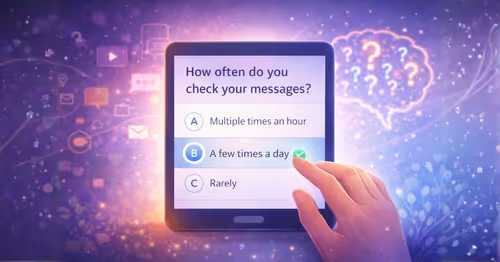
Check Your Digital Habits
Discover how your digital habits may be affecting your focus, mental clarity, and inner calm. Take this quick Digital Wellness Test to better understand your attention patterns.
Take the Test NowLet's explore simple ways to protect your attention.



Simple Strategies to Protect Your Attention
The good news is that you can take control. Here are proven strategies to reduce digital distractions and improve focus in daily life.
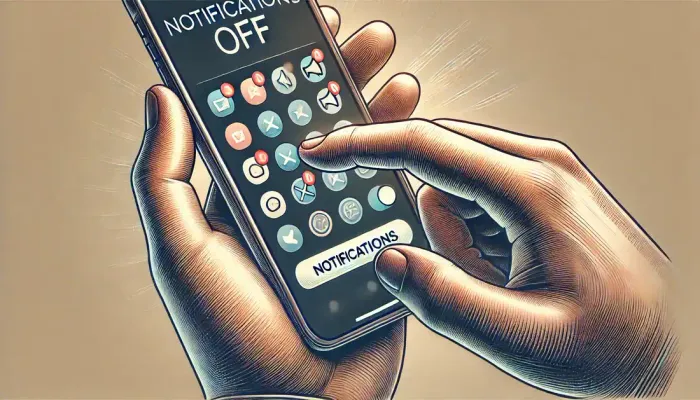
Turn Off Notifications:
Notifications are one of the biggest threats to sustained focus. Every alert interrupts your thinking process. To protect your attention:
- Disable non-essential app notifications
- Keep your phone on silent during focused work
- Use “Do Not Disturb” mode during deep work sessions
This small step can dramatically improve productivity and help you build longer attention spans.
Practice Digital Fasting (Digital Detox):
Digital fasting — also known as a digital detox — helps your brain reset from constant stimulation. This could be for an hour each day or a whole day each week. Reducing screen time allows your mind to relax, lowers stress levels, and improves mental clarity.
Focus on One Task at a Time:
Multitasking might seem efficient, but it actually reduces the quality of your work. Instead:
Choose one task → Set a clear time block → Remove distractions → Work until completion Single-tasking strengthens concentration and improves overall productivity.
Spend Time in Nature to Restore Focus:
Research shows that spending time in nature improves attention and reduces stress. Even 15–20 minutes outdoors can refresh mental energy and enhance creativity. Nature acts as a natural reset for your distracted brain.
Limit Social Media Usage:
Social media platforms are designed to keep you scrolling. Excessive use can harm both attention span and mental health. To reduce digital distractions:
- Set specific times for social media - Avoid using it during work or study hours
- Track daily screen time
- Remove addictive apps from your home screen
Taking control of social media use protects both focus and emotional well-being.
Create a Distraction-Free Environment:
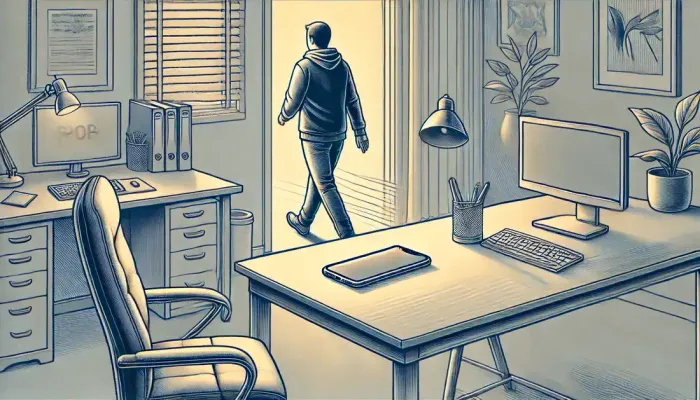
Your surroundings influence your ability to focus. To build a distraction-free workspace, keep your desk clean and organized, use minimal digital devices, keep your phone out of reach during work.
A calm, organized environment supports deep focus and efficient work.

Protect Your Attention, Restore Your Focus
When distractions begin to take over your time and attention, use this meditation to refocus your mind, protect your energy, and restore inner balance.
Practice Now!
The Connection Between Attention and Mental Well-Being
Protecting your attention is not just about productivity — it directly impacts mental health. Constant digital distraction can contribute to feelings of stress, anxiety, and even depression. Social media comparison, information overload, and pressure to stay constantly connected can reduce emotional stability.
On the other hand, when we can focus deeply on tasks that are important to us, we feel more fulfilled and content and, it improves your overall happiness.
Taking Control of Your Attention in a Distracted World
In a world filled with digital distractions, protecting your attention is one of the most important skills you can develop. By turning off unnecessary notifications, practicing digital fasting, and focusing on one task at a time, you can improve your focus, reduce stress, and enhance your overall well-being.
Your attention is one of your most valuable assets. When you consciously decide where to direct it, you gain control over your time, energy, and life. Choose wisely — and build a truly distraction-free life.