
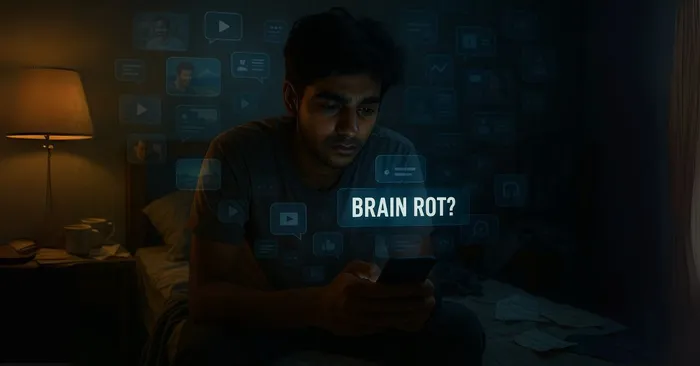
In 2024, Oxford declared “Brain rot” as the Word of the Year. A term that sounds casual and amusing at first… but behind it lies a quiet truth so many of us are silently experiencing. Whether you are college student chasing goals, or an adult managing everyday work and chores—this feeling of poor focus and silent restlessness touches us all. Some feel it more, some a little less.
But deep down, most of us know—we’re not thinking the way we used to. So let’s take a short pause and read the story of Vedant, a bright young mind who slowly slipped… and then gently found his way back. His story may sound familiar. It might just be yours too.

Vedant was an ordinary boy from Hubli. Life there was simple—school during the day, books in the evening, home-cooked meals, and the usual meet-ups with friends at the local tea stall. Nothing rushed, nothing noisy. Just a steady, quiet rhythm he’d grown up with. But all of that changed when he moved to Bengaluru for engineering.
New city. New pace. New freedom.
Everything around him moved faster—traffic, people, conversations, even thoughts. But Vedant adjusted quickly. Within a few weeks of joining the college in Bengaluru, he was known for two things—his sharp brain and his cheerful laugh.

His friends called him “Turbo Ved.” Not because he ran fast… but because his thoughts did. He could understand tough computer topics easily and build a basic website in just a few hours.
In those days, Vedant used technology like a tool. YouTube was for learning. Social media was for staying in touch. He read books, wrote notes by hand, and shut down all tabs when he wanted to think. He had control over his mind.
But slowly, things started to change. It began with just one extra tab.
The First Extra Tab
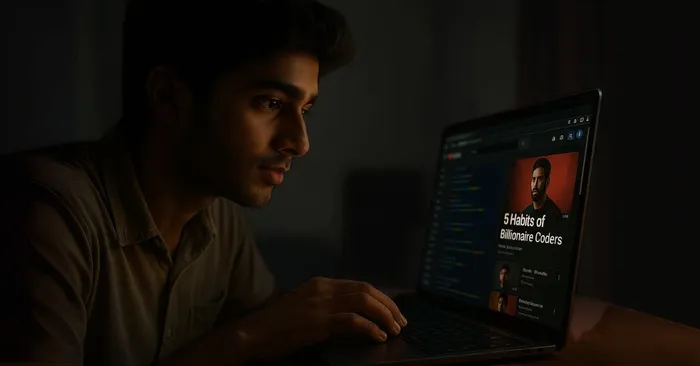
One day, while checking some code, Vedant clicked on a video: “5 Habits of Billionaire Coders.” It looked smart, useful and motivational. He watched it over dinner. Then another. Then one more.
The next day, his feed changed. It began offering him faster clips —short, flashy, and tempting. Every video felt like it was saving him time. But slowly, it started stealing something else.
At first, he said, “It’s useful… I’m learning.”
But in a few weeks, his mind got used to this constant stimulation. Silence felt strange. Slow thinking felt like laziness.
And that’s how brain rot looks in real life — not dramatic, not loud… just a quiet weakening of focus.
And Then Sleep Became A Problem.
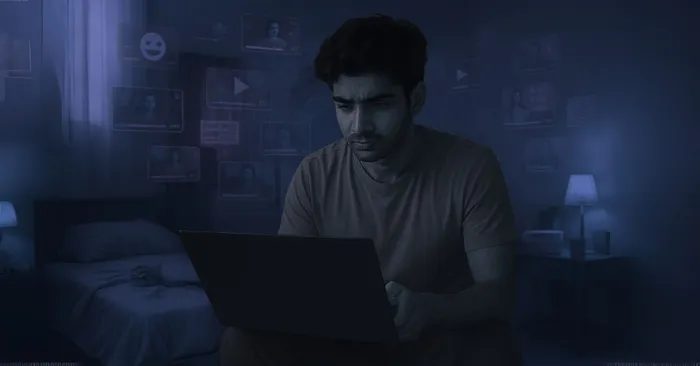
At night, Vedant would lie down and close his eyes.…but his mind wouldn’t lie down with him. Random clips replayed like ads you can’t skip. Voices. Edits. Headlines. Memes.
He’d scroll for “ten minutes” and later realize, it had already been two hours. He joked, “Bro, just techie things.”
But things got worse.

Can’t Sleep Because Your Mind Won’t Switch Off Too?
Try this gentle bedtime meditation commentary to unplug from noise and sleep with a lighter mind.
Listen Before You SleepThe first big warning: His focus broke
Vedant used to solve big problems easily. Now, he couldn’t finish even a short reading without rereading the same lines. He made silly mistakes and forgot simple terms. Many time, he would open his laptop… and just sit there.
His friends teased, “Turbo’s slowing down?”. He laughed—but inside, he knew something was wrong.
He felt hollow. Simple tasks felt heavy. His room stayed messy. Phone calls from home annoyed him. Meeting friends felt like work. Even his hobbies—music, sketching, fun coding—lost their joy.
One day, he stared at his laptop screen for an hour… and hadn’t typed a single word.
His chest tightened.
“What’s happening to me?”
The Spiral Pulled Him In
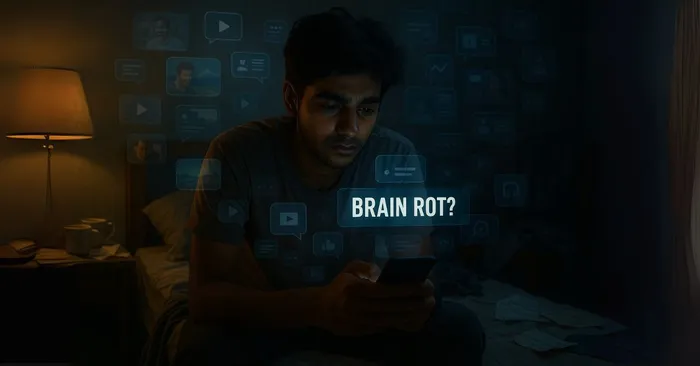
The more restless he felt, the more he scrolled. And the more he scrolled, the more empty he felt.
It was like he disappeared into video after video—but as soon as he stopped, the restlessness returned.
One day, a strange headline popped up while he was scrolling:
“Brain Rot?”
It sat between a funny meme and a tech podcast video. The words felt sharp and odd. Hours later, without meaning to, he typed it on Google: “brain rot.”
He clicked on one link—half curious, half ashamed. He thought it would be another silly article. But after just a few lines, his heart dropped.
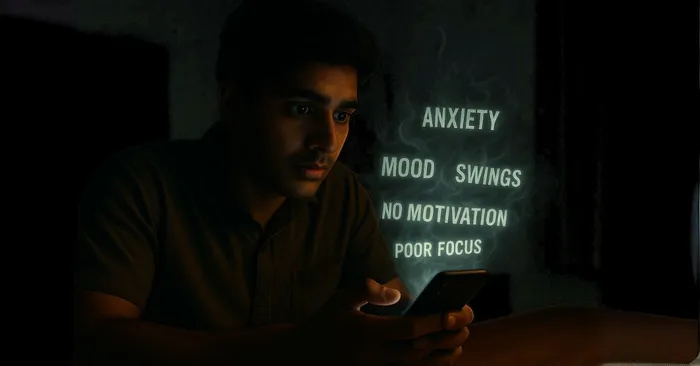
He wasn’t reading an article. It felt like the article was reading him.
Poor focus. Low energy. Mood swings. Bad sleep. Need for constant content. Anxiety. No motivation.
It was like the internet had stopped giving him content and started holding up a mirror. And yet, he couldn’t stop.
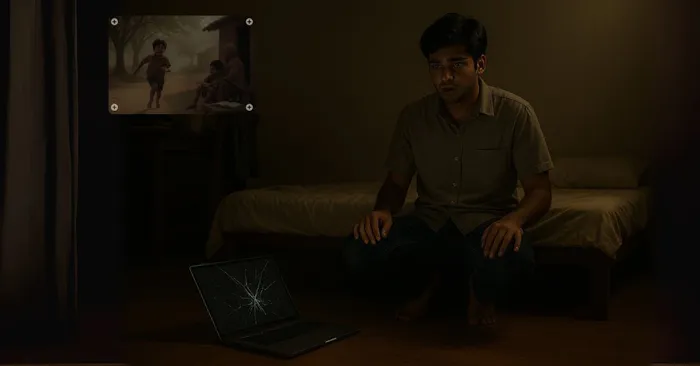
Until one night, something snapped
A few days later, he was watching yet another video: “Top 10 Mindhacks of Navy Seals.” But his mind was blank. No memory of the content. Suddenly, the laptop slipped off his lap and hit the floor. The screen cracked.
Vedant didn’t even react to the laptop. He reacted to the silence.
He whispered, “Am I… losing my mind?”
In that moment, something inside him also cracked. A quiet scream inside said: Enough.
A memory returned
He then remembered his childhood..
Waking up early. Playing under trees. Sitting beside his grandmother while she softly chanted, her face glowing in peace—without any screen in sight.
He once had that peace. That memory hurt now.
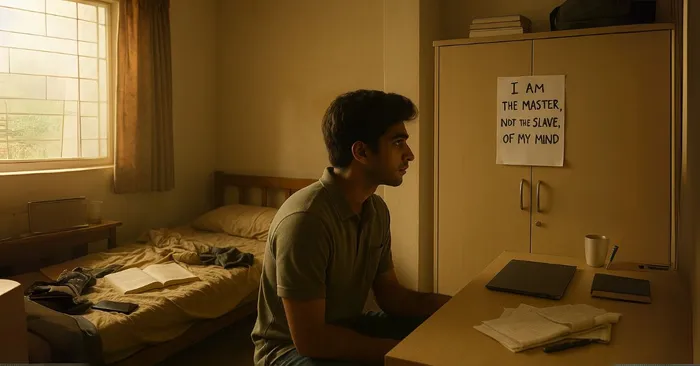
“I am the master, not the slave, of my mind.”
In the next few days, he tried to return to basics. He deleted apps. Blocked websites.
But the real problem wasn’t the phone. The problem was his own mind.
Even with no videos, it kept throwing regrets, fears, and comparisons at him. That’s when he noticed a line stuck on his roommate’s cupboard,
“I am the master, not the slave, of my mind.”
He laughed at it. But later that night, when he again couldn’t sleep, those words came back like a whisper. So the next morning, before touching any screen, Vedant tried something new.

He sat still. Closed his eyes. Said softly in his mind:
“I am the creator of my thoughts. I am not these thoughts. I am a peaceful soul.”
Nothing magical happened. But something inside… shifted. He didn’t feel fine. But he felt… aware. And awareness is where healing begins.

The Real Turning Point
One day, while coding with his roommate Raghav in the library, Vedant froze mid-sentence.
“Hey, what’s the term for… ugh, I just knew this yesterday!”
He held his head.
Raghav looked up and said calmly, “It’s okay. Your mind’s tired.”
Vedant snapped, “I’m twenty, not seventy. Why does my mind feel old and rusted?”
Raghav closed his laptop and said, “Maybe because it’s overfed. We rest our bodies—but what about our minds?”
Vedant scoffed, “You mean… meditation?”
Raghav smiled. “It’s just cleaning the inner screen. Every soul needs that.”
And That’s How the Repair Began
Vedant started sitting quietly for a few minutes every morning—not to empty the mind, but to gently remind himself who was in charge.

He began recognising:
- I am not the noise. I am the one watching it.
- I am not the thoughts. I am the one who creates them.
Like a driver behind the wheel, he started guiding his inner world instead of being dragged by it.
He told himself softly:
“I am the soul. Peaceful. Powerful. The master of this mind and body.”
Bit by bit, he started feeling a quiet strength—like the captain returning to the control room after a long storm.
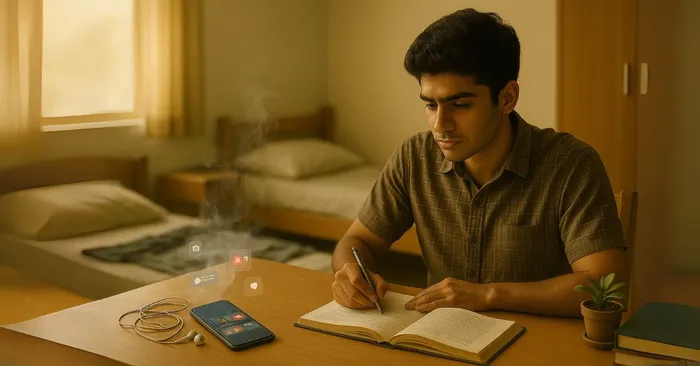
He didn’t force himself to quit. He understood that,
“If I fill my mind with good energy, I won’t crave the junk.”
He noticed what drained him—certain videos, songs, or news made him restless. So he slowly removed them.
He began treating his mind like his best tool—not a dustbin.

And step by step, small victories came.
His sleep improved. His focus returned—one page at a time.
He began to enjoy walking without earphones. Eating without watching anything. One day, he finished a full chapter—something he hadn’t done in months.
Most importantly, he felt lighter, calmer. When friends joked about his “Zen mode,” he smiled—not with pride, but with peace. He wasn’t running away from the world.
He was simply coming back to himself.
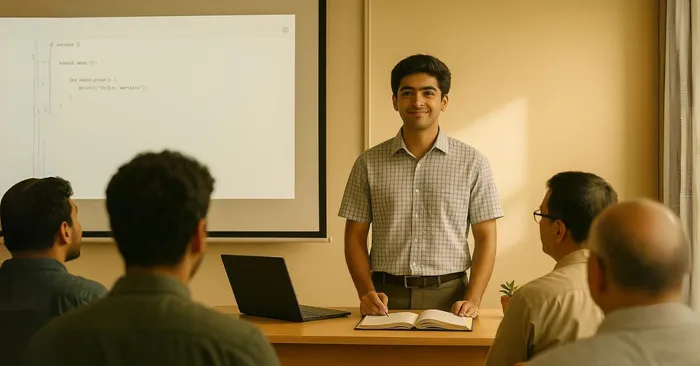
In his final project presentation, Vedant surprised everyone. Not because his code was perfect—but because he spoke with calm confidence. His eyes didn’t dart. His voice didn’t race.
At the end he said,
“I didn’t fix my mind with an app. I healed it by remembering what I had forgotten—that I am not a machine. I am a soul. And a soul’s first software is peace.”
The Moral Unfolded
The mind didn’t need fixing. It just needed its master, the soul, back in charge. When the soul remembers,
“I am not the noise. I am peaceful”
everything begins to change—quietly, gently, and for real.