

Knowing when to tolerate and when to confront is a sign of true courage, wisdom, and self-respect. While tolerance helps maintain peace and harmony, courage gives us the strength to stand up for what is right. How do we develop this balance and remain true to our values? Let us explore the role of inner strength and spiritual wisdom in making the right choices.

The Role of Courage
Courage is essential in every situation because it gives us the inner strength to stand by our values, even when faced with difficult choices. Imagine you are offered a large sum of money to do something illegal. Even if others, including family and friends, tell you it is okay, you need the courage to say no and remain committed to your principles.
Courage is not just about facing external challenges but also about resisting internal temptations and pressures.
Consistency in Virtues
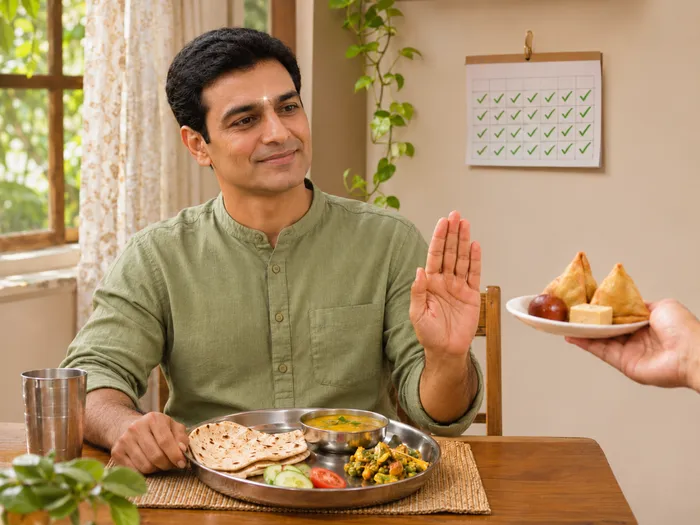
Practicing virtues consistently requires courage, determination, and self-discipline. While we may demonstrate honesty, kindness, and patience in certain situations, maintaining these positive qualities in challenging circumstances requires inner strength. Developing willpower helps us practice good virtues consistently rather than allowing temporary temptations to weaken our resolve. Courage helps us in maintaining consistency, whether it’s in honesty, kindness, or patience.

Knowing When to Tolerate and When to Confront
One of the most important aspects of courage is discernment—the wisdom to understand when to tolerate and when to confront.
While tolerance is essential for maintaining peace and harmony in relationships, it should never mean accepting abuse, injustice, or wrongdoing. Having the courage to stand up for yourself, establish healthy boundaries, and protect your self-respect is equally important. For instance, if you are being mistreated at work or at home, you should confront it instead of silently suffering. Many people, after years of silent suffering, regret not having stood up for themselves earlier. This applies to family abuse, workplace exploitation, and societal injustices. We must have the wisdom to decide what to tolerate and what to confront, protecting our well-being and maintaining our dignity.

The Boiled Frog Syndrome
To illustrate the danger of over-adjusting, consider the boiled frog syndrome. If you place a frog in boiling water, it will jump out immediately. However, if you place it in cold water and gradually heat it, the frog adjusts until it is too late. This analogy highlights the dangers of excessive tolerance and continuously adjusting to negative situations. Just as the frog gradually adapts to rising temperatures, people sometimes become accustomed to unhealthy relationships, workplace exploitation, or situations that affect their emotional well-being. Recognizing the warning signs and having the courage to take timely action are essential for protecting our dignity and inner peace.
Facing Our Own Weaknesses
Courage is equally important when confronting our inner weaknesses, negative Sanskars, and deeply rooted habits. Sometimes, we justify our negative behaviour by believing that change is difficult or impossible. However, overcoming negative habits requires self-awareness, determination, and consistent effort. Every time we consciously work on changing our Sanskars, we strengthen our willpower and self-respect. For example, you might have a habit of procrastination. Confronting it head-on and making a consistent effort to change it builds your willpower and enhances your self-respect. Every decision to confront and change these habits strengthens us. If we keep making excuses, saying “I’ll do it tomorrow” or “It’s too difficult,” we weaken our resolve. Confronting these habits requires daily effort and a firm commitment to change.
Daily Meditation and Connecting with God
Daily meditation and connecting with God play an important role in developing courage and inner strength. Through meditation, we experience the soul's original qualities of peace, love, and power while strengthening our ability to overcome fear, external pressures, and negative Sanskars. Regular spiritual practice helps us develop willpower, maintain emotional stability, and face life's challenges with confidence. Meditation helps us rise above fears, societal pressures, and internal weaknesses. Recognizing our true self as powerful souls, we can overcome any Sanskar. Daily efforts and unwavering commitment to self-improvement ensure consistent growth in soul power. This spiritual practice provides the strength needed to confront challenges and uphold our values.

Experiencing God Through Meditation
Pause, turn inward, and step away from the noise of the world. Immerse yourself in God's peace, love, and light as you reconnect with your true spiritual self. Let this meditation awaken your inner courage, clarity, and strength.
Experience Now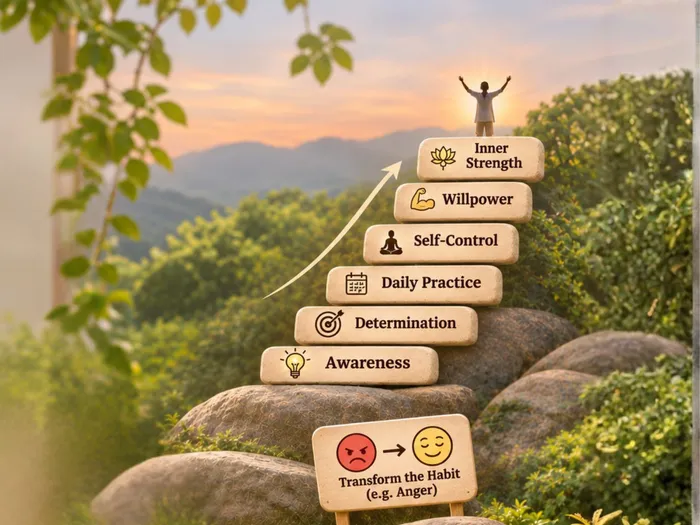
Overcoming Deep-Rooted Habits
Overcoming deep-rooted Sanskars, regardless of how old or strong they may be, is possible through determination, self-awareness, and daily effort. Whether it is anger, impatience, or another negative habit, consciously working towards positive behavioural changes strengthens our willpower and brings greater peace to the soul. For example, if you have a habit of getting angry easily, confronting and changing this habit improves your relationships and brings peace to your soul. Understanding the benefits of these changes, both immediate and long-term, is crucial. This ongoing journey of self-improvement builds our inner strength.
Building Self-Trust
Building self-trust is an essential part of personal growth and inner strength. When we make commitments towards self-improvement and consistently follow through, we strengthen our willpower and confidence. Keeping promises to ourselves helps develop self-discipline, reinforces self-respect, and builds faith in our ability to overcome challenges. Avoid making excuses and act on your commitments to grow your willpower. Consistent efforts lead to significant positive changes, reinforcing your inner strength and credibility. For instance, if you decide to wake up early every day but keep postponing it, your self-trust diminishes. Keeping promises to ourselves strengthens our resolve and self-esteem.

Returning to Our Original Self
Our soul’s original qualities are love, peace, courage, and bliss. By consistently connecting with God and practicing self-improvement, we can return to this original state. Even if we temporarily go out of form, reconnecting with God and committing to our spiritual practices helps us regain our true nature. This journey is about rediscovering and reinforcing our deepest virtues and strengths. Just like a player who was once in form can return to their peak performance with practice, we too can return to our original, powerful form.

Experience God's Power and Virtues
As we rediscover our soul's original qualities of peace, love, and courage, meditation helps us deepen this experience by reconnecting with our true self. Through this guided meditation, turn your awareness inward, experience the loving connection with God, and journey to your eternal home, the Soul World. Absorb God's peace, love, and power, and return to everyday life feeling refreshed, empowered, and ready to radiate positive vibrations of peace and harmony to the world.
Experience NowConclusion: Embrace Courage
In conclusion, courage is essential for practicing virtues consistently. Knowing when to tolerate and when to confront is crucial for maintaining your values and soul power. By connecting with God and committing to daily self-improvement, you can confront your weaknesses, overcome negative habits, and return to your original, powerful self. This journey requires continuous effort and unwavering courage but leads to a life of integrity and inner strength.
Embrace courage, stand firm in your values, and remember that true strength lies in the consistency of your virtues.