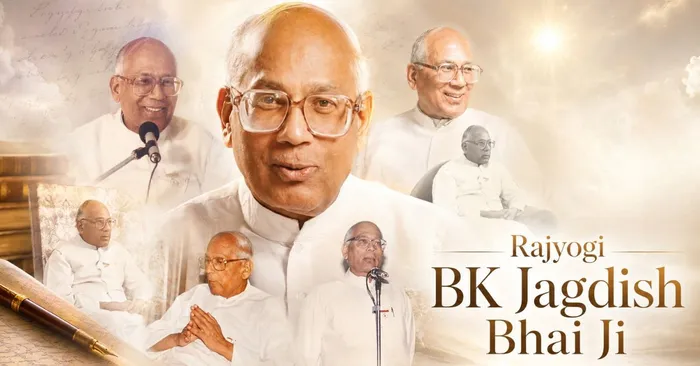
On 12th May, we fondly remember Brahmakumar Jagdish Chander ji, lovingly known as Jagdish Bhai, on his 25th ascension day. He lived a life that moved from a personal search for God to becoming an instrument of service through knowledge, writing, teaching, organising, and world service.
He served as one of the main spokespersons of the organisation, presenting spiritual knowledge to diverse audiences with clarity and depth. He wrote more than 200 books in Hindi, English, and Urdu on Rajyoga meditation, human values and spiritual knowledge as taught at the Brahma Kumaris. He served as the chief editor of magazines such as Gyanamrit, The World Renewal, and Purity, and was also a member of the Indian Editors Guild. He travelled to 50 countries, helped share the spiritual message through newspapers, radio, and television, and contributed to the growth of service across thousands of centers in 80 countries.
Yet these details only begin to tell his story.
They show the reach of his service, but not the inner journey that shaped it—a journey of deep churning, discipline, and surrender to Godly service. Such depth does not appear in a moment.
So how did he, in his early twenties, come into Brahma Kumaris and go on to become such an instrument of Godly service? To understand the journey, we must go back to where it all began.
A Childhood Shaped by the Search for God
Jagdish Bhai, later known by this name, was born in Multan as Rishi. From childhood, his name seemed to reflect his nature. He not only carried a deep longing to meet God, but also to become stable in the awareness of the soul, and to experience the self.
This was not a casual religious interest. He had quietly decided that God-realisation was the supreme aim of his life. So, he went wherever there was a satsang, a religious gathering, or a spiritual discussion. From the age of 12 years, he attended scriptural debates, met saints, yogis, and spiritual teachers, and studied Indian philosophy, Vedic culture, and the teachings of different world religions.
He followed many practices on the path of devotion—waking at 2 a.m., bathing, worshipping, studying scriptures, visiting places of worship, and trying the methods suggested by others. He was not looking for information. He was looking for the true method to experience God.
There was hardly any major scripture he had not read, and hardly any important religious thinker of his time with whom he had not tried to speak. Beneath all of it was one simple, powerful question:
How can I truly meet God?
A Search That Became Unbearable
There are times in a soul’s journey when the search becomes so intense that ordinary life begins to feel incomplete. Jagdish Bhai described such a stage saying that he felt as if he were locked inside a room and wanted to be released. At times, the longing became so intense that he would ask within, “Why does God not meet me?”
At one point, this inner pull became so strong that he left home without informing anyone and travelled towards Hyderabad, Sindh, and Karachi, feeling that perhaps he would find what he was searching for there. He remained there for three to four days.
There, he saw women in white but nothing was outwardly clear to him. Yet, he felt a subtle inner touch, as if something was connected with his search, though he could not understand it. So he returned home, but the question remained alive. Later, through political science books, he read references to Om Mandli (now known as Brahma Kumaris) in Sindh and began asking people about it.
The Turning Point
In 1952, that search found direction.
During his teacher’s training in Okhla, he attended a programme at the Theosophical Society where the Brahma Kumari sisters had been invited to speak. He could not fully understand the language, as it carried a strong Sindhi tone, yet something beyond the words stayed with him. There was a subtle spiritual pull—a feeling he could not explain, but could not ignore. Somewhere within, he felt that his search might find its answer here.
After the talk, it was customary for members to ask questions. Jagdish Bhai stood up and asked,
“Today you were supposed to teach practical Rajyoga, but you only gave a lecture.”
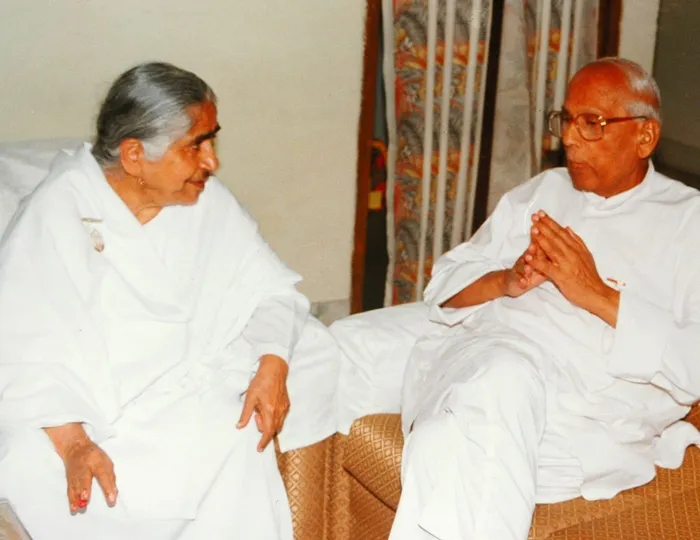
The hall was then prepared for the meditation session. Dadi Janki ji gave a short explanation on Rajyoga and conducted a practical session. When it was over, he raised his hand and said that for the first time, he had experienced complete concentration.
Around this time, his inner search had already reached a point where waiting felt no longer possible. So it was at this point, he visited the Brahma Kumaris center. Here, Rajyogini Dadi Janki and Rajyogini Dadi Kunj became instruments in bringing him into knowledge.
Now, the distance to the Kamla Nagar (Delhi) center was not small. Yet Jagdish bhai would travel from far—often by cycle—just to attend the Rajyoga course. This was not an effort for him; because it was a response to his years long search.
But, what happened here was not a gradual acceptance. His intellect had already absorbed much from scriptures, religious discussions, and different spiritual paths. Now, through Sahaj Rajyoga and Godly knowledge, those earlier understandings began to find a clearer meaning.
Very early, he recognised that through Brahma Baba, God Himself was working and revealing this knowledge. Having recognised this, he left his profession as a professor and dedicated his life to Godly service.
Early Days in the Yagya
The early days at the Kamla Nagar Rajyoga center were simple with limited facilities. Yet within that simplicity, a deep spiritual foundation was being laid.
His way of learning was very characteristic of him. He did not move forward until something was fully clear. Those who taught him also observed this clearly. Dadi Kunj ji would later recall that when he asked a question, he would not move forward until the answer settled completely in his intellect. He would ask the same question in different ways until it became clear within him.
Dadi ji fondly recalls one such incident. In those days before beginning the Rajyoga course, students were asked to fill a form. When it came to writing the name of the Supreme Father of the soul, he paused. He questioned deeply.
If both the soul and the Supreme are eternal, how can one be the father?
These questions did not come from resistance. This was not from doubt; it was a sincere effort to understand the truth completely.
During the fifth day of this course, when he came for class, the sisters were occupied with preparing a response to a publication that had carried a misunderstanding about the organisation. It seemed his course might be postponed. At that moment, he offered to refine the response in Hindi if the draft was given to him.
It was a small beginning, but it marked the start of his contribution to seva.
Alongside study and writing, he entered fully into the everyday life of Om Mandali (now known as the Brahma Kumaris). Resources were limited, yet there was the warmth of a spiritual family. He served in whatever way was needed—arranging facilities, supporting daily activities, and helping wherever he could.
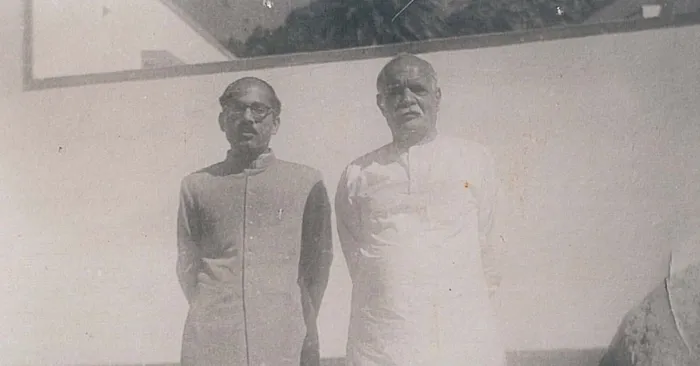
Additionally in those early days, his closeness with Jagadamba Saraswati, lovingly known as Mamma, and Brahma Baba also deepened too. He received direct sustenance, not only through words, but through observation. He watched how Baba spoke, how he served, how he gave love, how he remained simple, and how he made knowledge practical. These impressions entered him deeply.
The Emergence of “Sanjay”
As the years unfolded, Jagdish Bhai’s role began to deepen in a very natural way. What he had absorbed through study, reflection, and close observation now started to take the form of expression. His ability to understand knowledge deeply and present it clearly became increasingly visible.
Recognising this quality, Brahma Baba lovingly called him “Sanjay” (In the Mahabharata, Sanjay was known as one who received divine vision and could clearly describe events that others could not see for themselves), and would say that his intellect was “seven feet long.” This reflected the role he was beginning to play—one who could see deeply, churn knowledge, and express it for others with clarity.
His relationship with Baba always remained the center of everything. Whatever he wrote, spoke, or planned, it came from that connection. His intellect was sharp, but more importantly it was also surrendered to God.
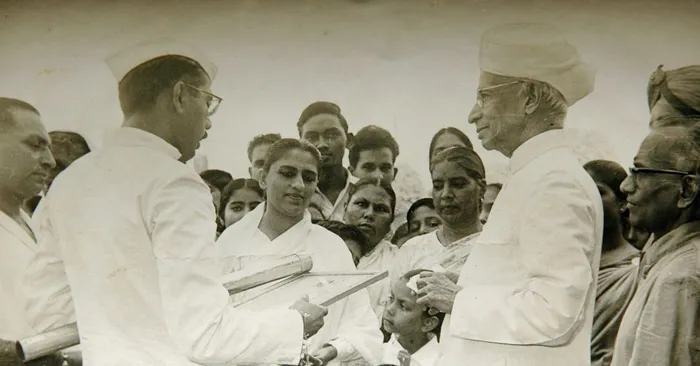
Literature as Service: Giving Shape to Spiritual Understanding
In those early years, when literature in Hindi was still limited, there was a clear need for someone who could give form to the knowledge. Jagdish Bhai quietly became that instrument.
In one instance, after writing a book, Brahma Baba asked him to have it reviewed by the sisters at the center in Delhi. One by one 12 sisters reviewed it, based on their practical experience of knowledge. After every round of suggestions, Jagdish Bhai prepared a fresh handwritten copy. The process went through many such revisions. Despite the repeated effort involved, he accepted it with humility, without holding on to his own version.
Through this, Baba was also shaping values within him—patience, flexibility, respect, and the ability to keep the purpose of service in front.
Later, in Madhuban (Brahma Kumaris Headquarters, Mount Abu), Baba asked him to publish the original version he had written and told him that from then on, he need not seek approval. This became a blessing.
From that time, before writing, he would pause in remembrance of God—allowing the Supreme to guide him. This reflected how surrendered Jagdish bhai’s intellect was.
He began preparing content for exhibitions, writing articles, and contributing to early publications. Often, he would first write in Hindi, after which it would be translated and sent further. He also helped prepare literature for the Kumbh Mela which became one of his first major writing contributions. Based on his deep study and experience of Rajyoga, Jagdish Bhai worked on explaining subjects that were often considered subtle—soul consciousness, remembrance of God, karma philosophy, purity, values, self-transformation, and the aim of a new world. He connected this with everyday life, social issues, family life, education, character-building, and world transformation.
This gave his writing a wide reach. It spoke to students, professionals, families and people who were looking for a practical way to understand spirituality.
He went on to prepare a large body of literature for the organisation. He wrote more than 200 books in Hindi, English, and Urdu. He also served as the chief editor of various spiritual magazines such as Gyanamrit, The World Renewal, and Purity. His association with the Indian Editors Guild also reflected the seriousness and credibility of his contribution in the field of writing and editing.
Many people who never met him personally came into contact with his understanding through his words.

Understanding Worry, Finding Stability
In Peace of Mind & World Peace book, Jagdish bhai ji explains how worry and anxiety affect the mind and weaken our ability to think clearly. Worrying does not solve problems; rather, it reduces our inner strength and creates unnecessary fear. Through simple examples, the book explains how thoughts influence our state of mind and how a shift in thinking, along with remembrance of God, can bring stability and clarity.
Read NowOther Major Service Roles
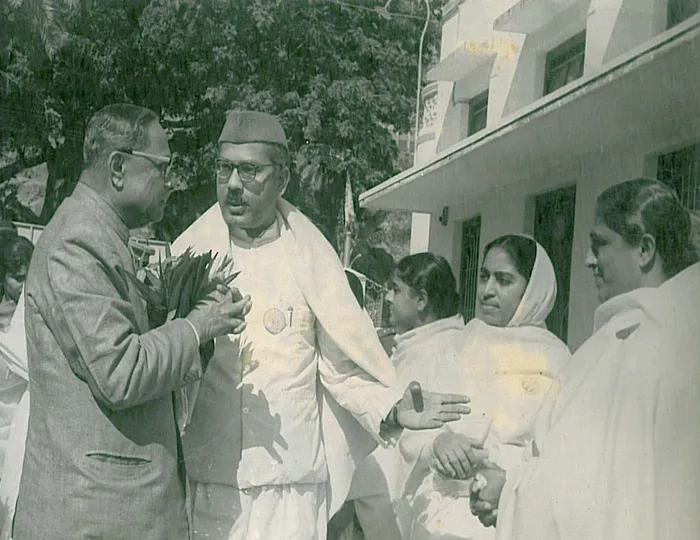
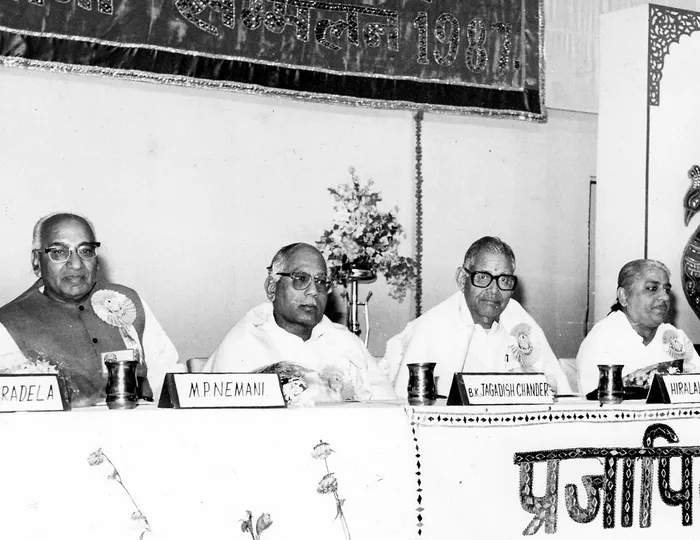
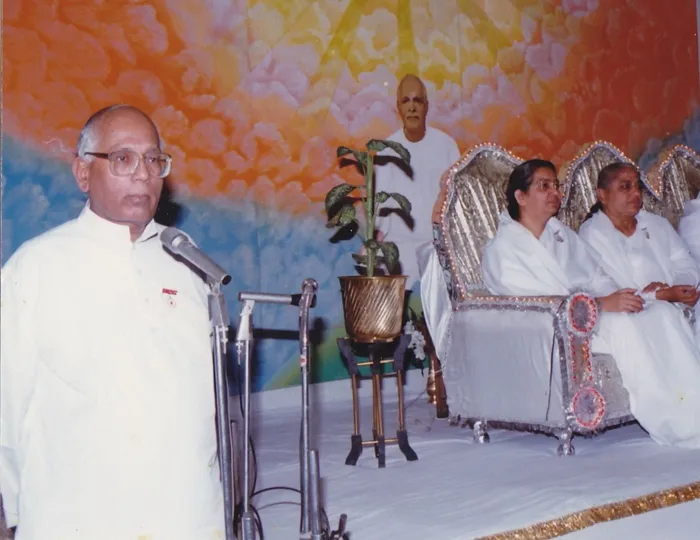
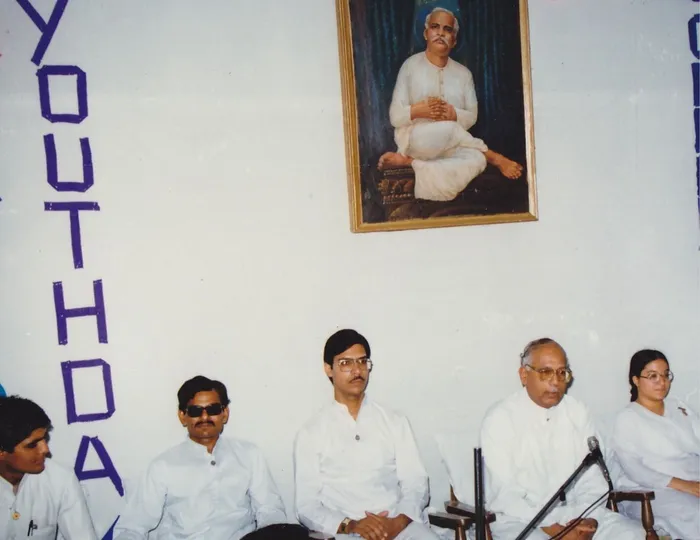
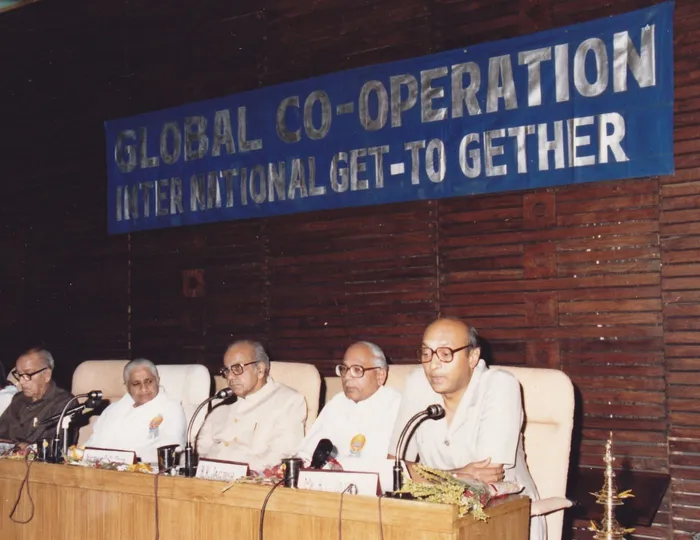
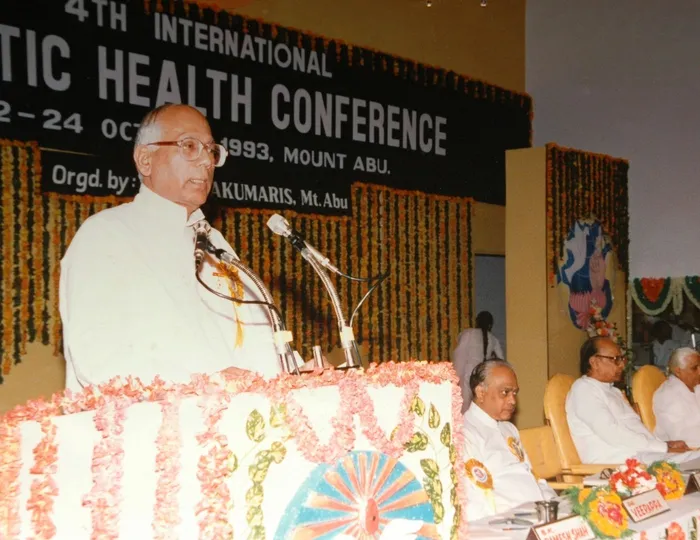
Other Major Service Roles
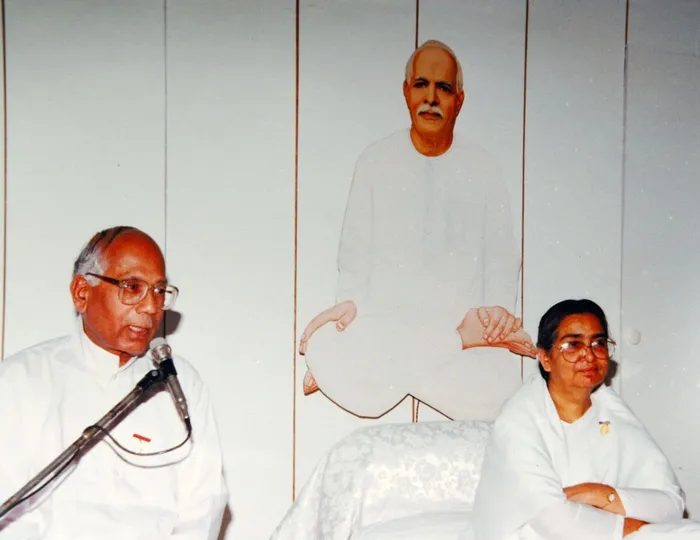
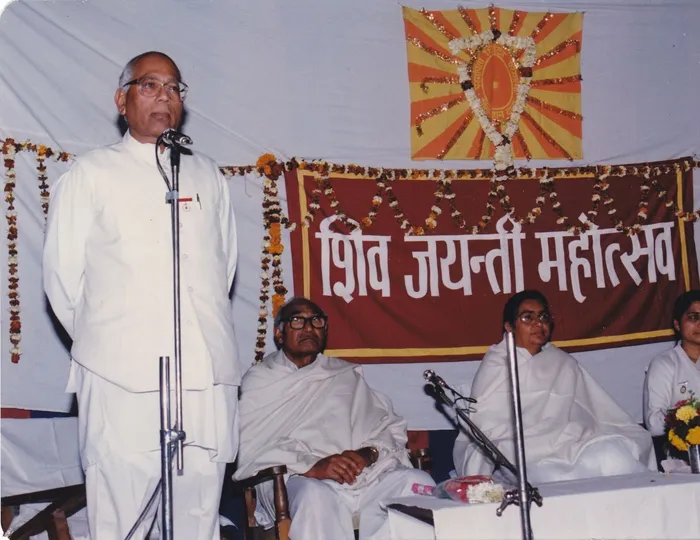
Alongside writing, his role as a speaker also began to emerge.
Jagdish Bhai’s contribution in seva moved from the written page, where he first helped refine a response to a misunderstanding about the organisation, to wider fields of public and organisational responsibility.
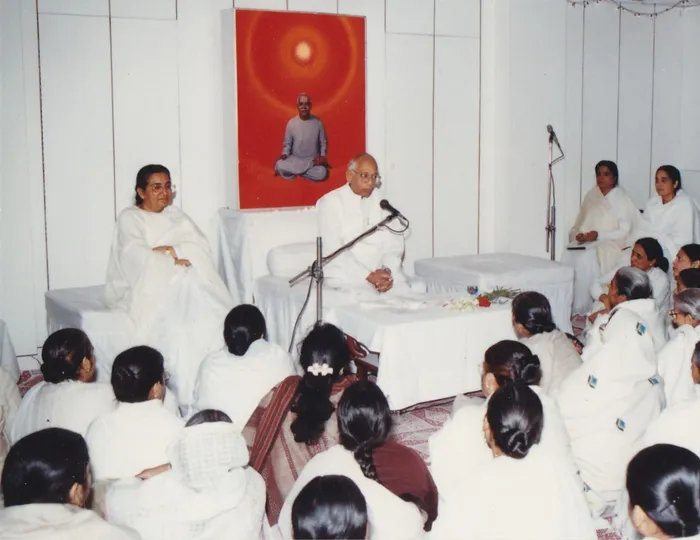
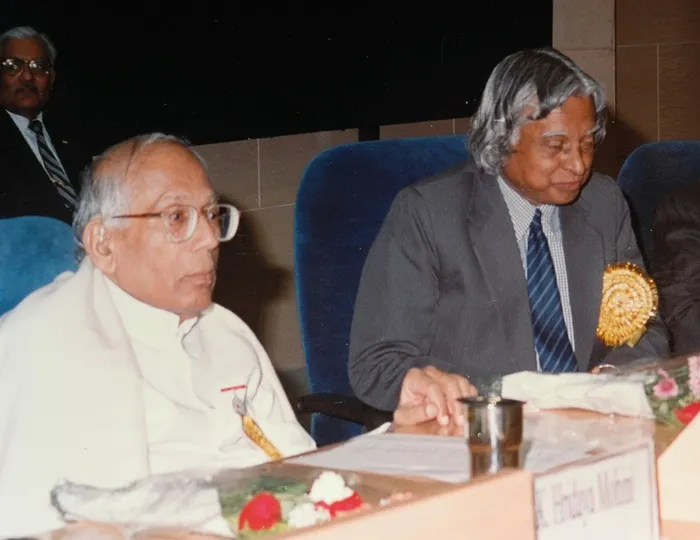
He became one of the principal speakers of the organisation. His ability to explain knowledge clearly, respond to questions, and connect with different kinds of audiences made him a natural instrument for public service.
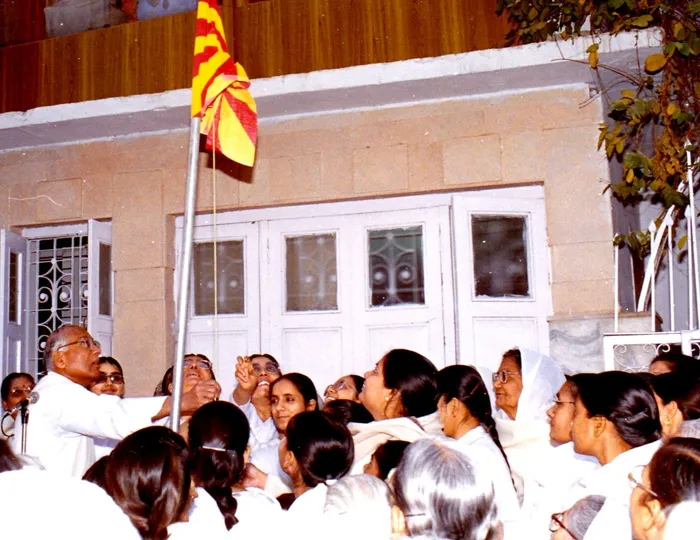
Gradually, he also became closely involved in planning new forms of service. He prepared many service plans and helped bring them into practical form. One important part of this contribution was the creation and development of different service wings, through which spiritual knowledge could reach specific sections of society in a more organised way.
His responsibilities within the organisation also grew. He served as the General Secretary of the Central Committee which required spiritual clarity, administrative understanding, coordination, and long-term vision.
The Service Wings
The Brahma Kumaris have established various Wings to serve different sections of society through focused spiritual education. Through seminars, workshops, dialogues, and conferences, these Wings aim to share Rajyoga and the core spiritual knowledge in a simplified manner relevant to each field. They also create a common platform for meaningful exchange, encouraging value-based thinking and practical solutions for everyday life.
International Service
Carrying the Message Beyond Borders
As the services in the organization continued to expand, Jagdish Bhai’s role gradually extended beyond India.
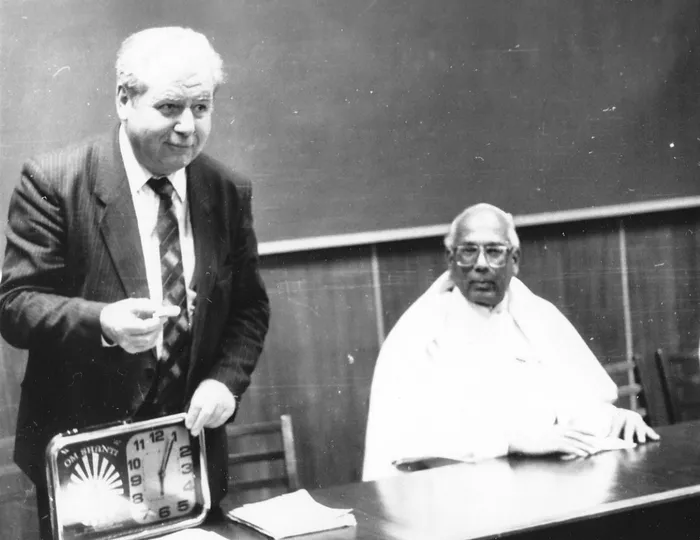
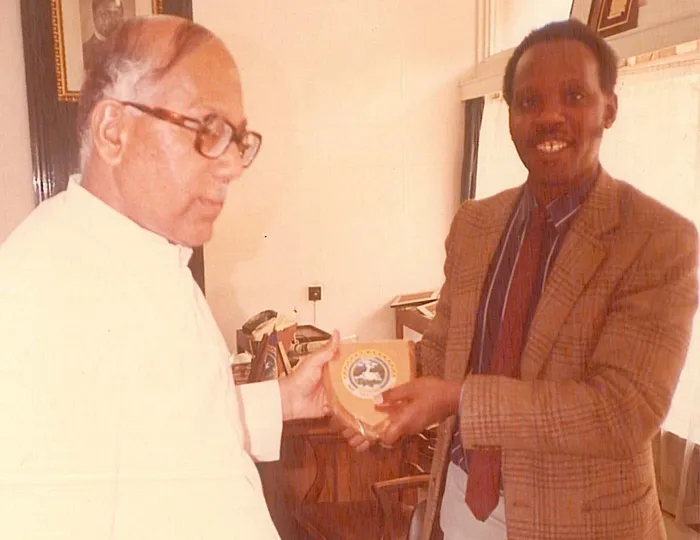
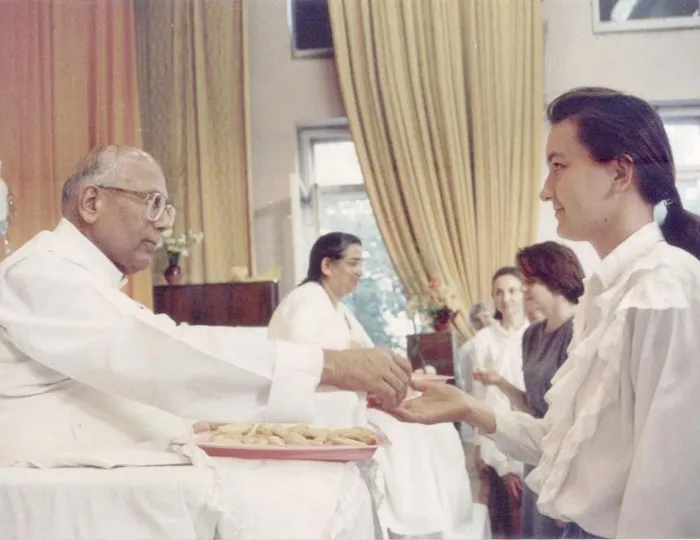
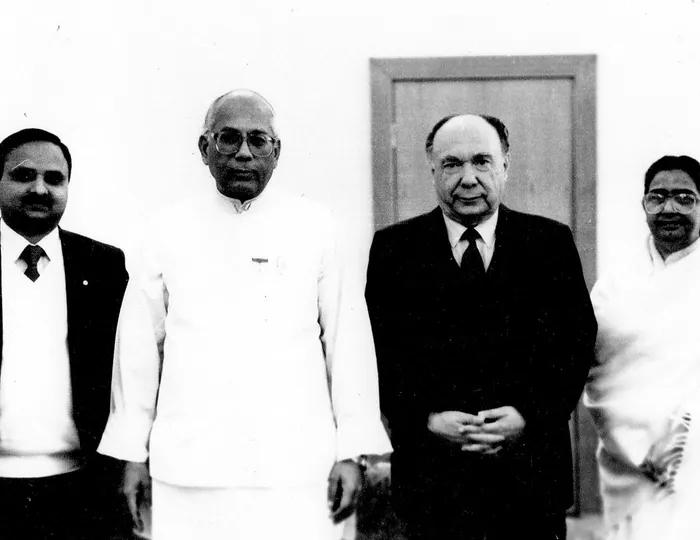
He travelled to around 50 countries, sharing the knowledge of Rajyoga with people from different cultures, backgrounds, and ways of thinking. These journeys were aimed at meeting people, understanding their context, and presenting spiritual knowledge in a way they could relate to.
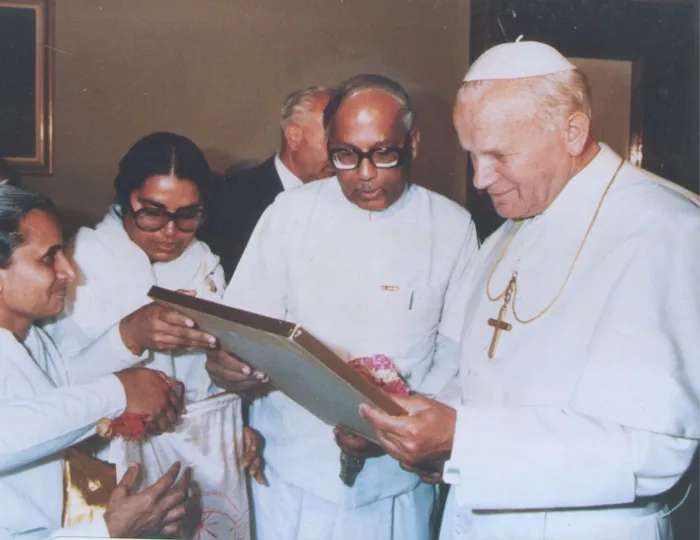
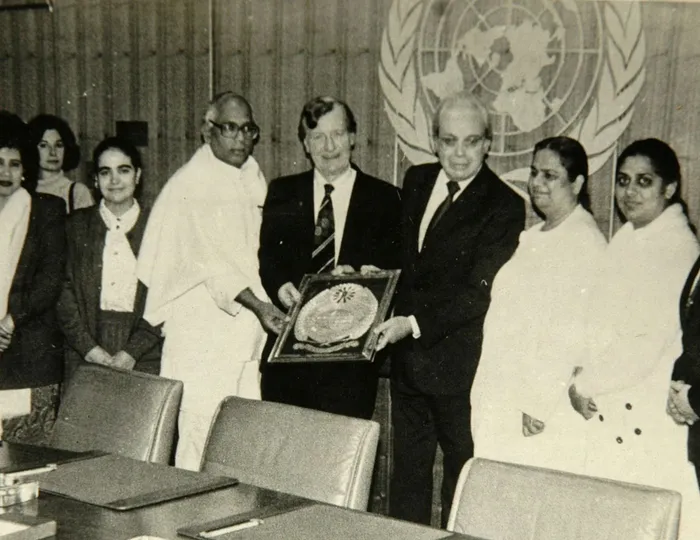
During this time, he also had the opportunity to meet many well-known global personalities, including Lord Mountbatten, the Dalai Lama, the Pope, Arnold Toynbee, and leaders of different nations. These meetings were a dialogue for sharing perspectives on peace, values, and the role of spirituality in human life. Through his sustained efforts, the organisation also became associated with the United Nations as an international non-governmental organisation.
Russia Service
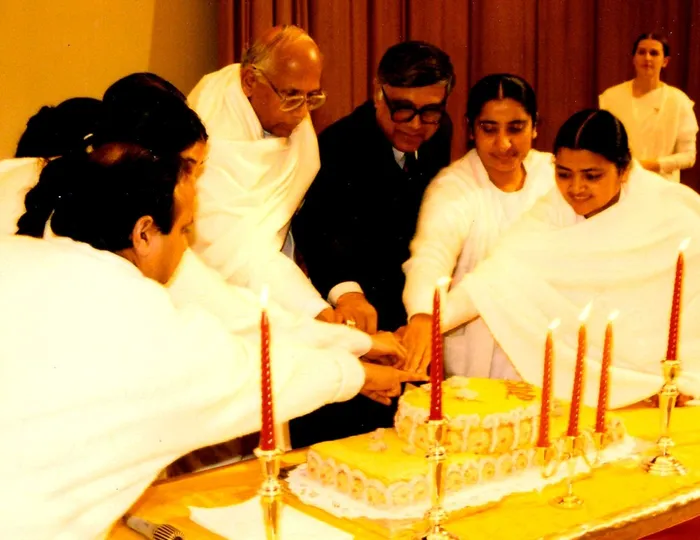
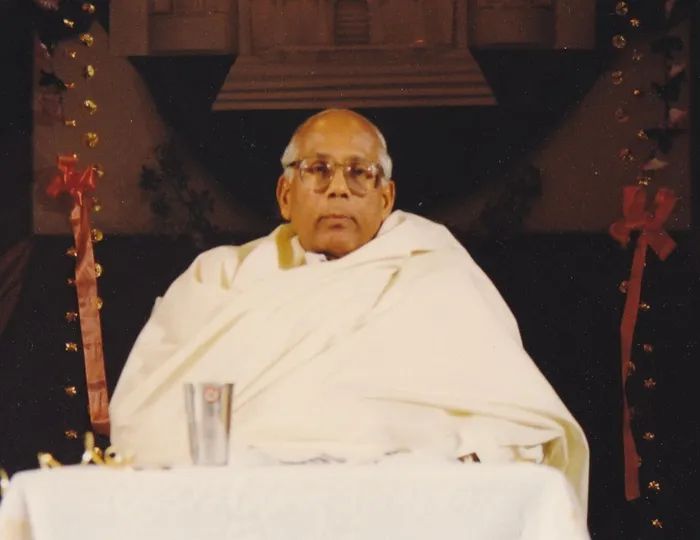
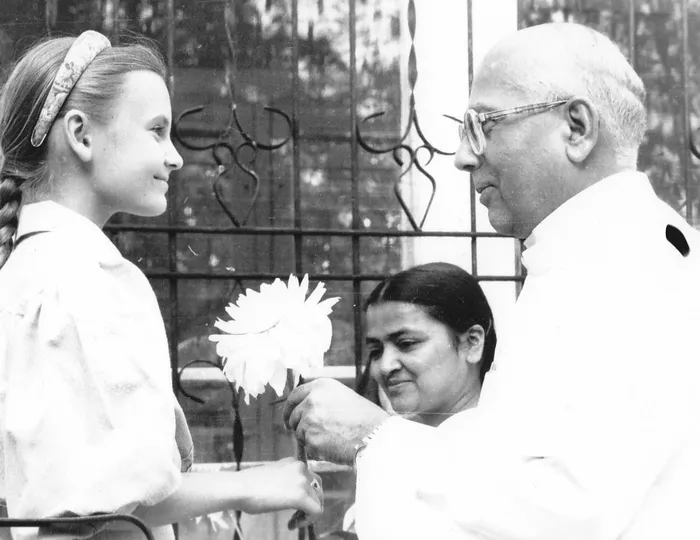
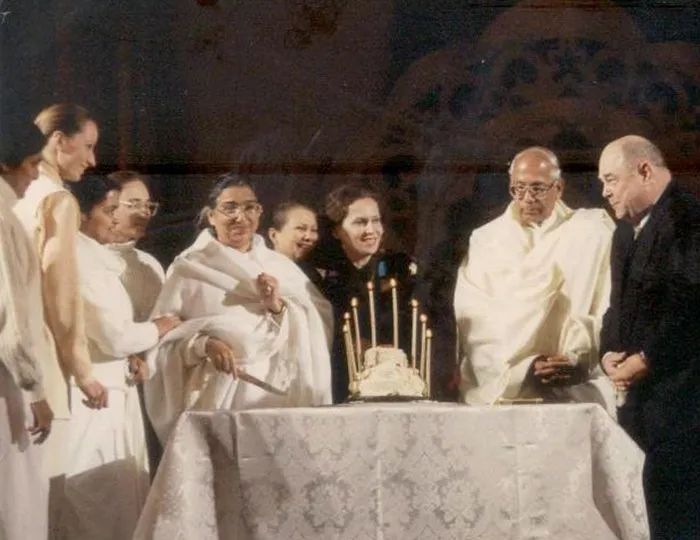
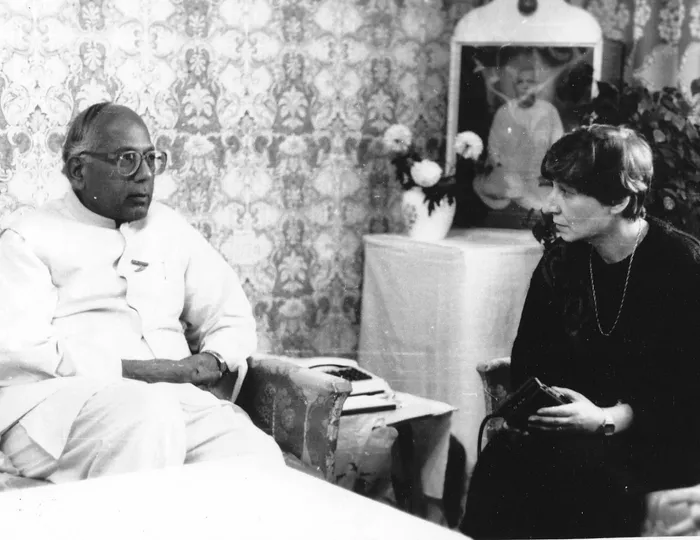
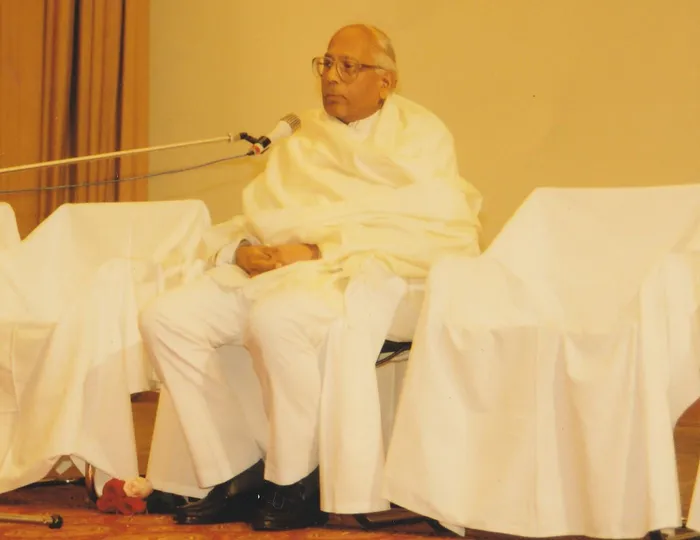
One of his significant contributions during this phase was helping to lay the foundation of service in countries like Russia. What began as early efforts later grew into sustained service, where thousands came to learn and practise Rajyoga.
Through these efforts, he became one of the main instruments in contributing to the progress of around thousands of centers in India and across 80 countries during his lifetime of service (as of 2026, the Brahma Kumaris has a presence in 130 countries). Whether speaking, planning, travelling, or guiding service, his aim remained the same: to make Godly knowledge reach as many souls as possible.
The Final Phase: Living Beyond the Body
In the later years of his life, Jagdish Bhai’s service did not slow down.
Even when the body began to face illness, his awareness remained steady. He would often say,
“The body is unwell, but I am not.”
This was not something he spoke to inspire others—it was the state he was living in.
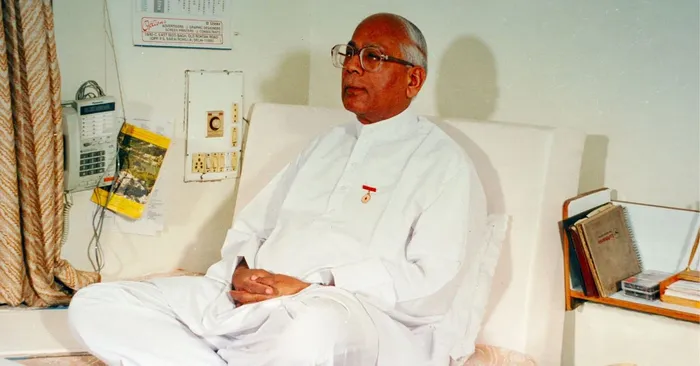
Despite physical limitations, he continued to guide service, remain engaged in planning, and support ongoing activities. His connection with the work did not depend on the condition of the body. This phase quietly demonstrated the essence of what he had been explaining for years—the difference between the soul and the body.
For many, spiritual understanding remains at the level of thought. In his case, it became visible through his action, his response to situations.
There was no resistance, no withdrawal, and no sense of burden from the illness. There was acceptance, clarity, and continuity. He had spent a lifetime studying, explaining, and serving through knowledge. In these final years, that knowledge could be seen as experience.
12 May 2001: A Life Reaches Completion
On 12th May 2001, Jagdish Bhai left his physical body.
But this was not an end, but simply a transition. And when seen in the context of his life, it was also a moment of completion.
The search that had begun in childhood had found its answer.
The understanding that had grown through years of churning had been shared widely.
The service that had started in a small center had reached across countries.
What Remains...
Today, his presence is not limited to memory.
It continues through the knowledge he shared, the literature he created, and the clarity he brought into spiritual understanding. His words continue to guide, and they have also shaped and inspired many teachers and speakers who carry forward this understanding.
To remember Jagdish Bhai is not only to look back at what he did, but to reflect on the life that remained quietly dedicated to Godly service, till the very end.
What would happen if our search also became that sincere, our intellect that surrendered, and our life that useful in God’s service?

Vyakti Ek Vyaktitva Anek
Vyakti Ek Vyaktitva Anek is not just a book, but a collection of inspiring experiences. It beautifully presents the life, service, simplicity, discipline, and Godly dedication of Rajyogi B.K. Jagdish Bhai through heartfelt real-life experiences shared by those who closely knew him.
Read Now