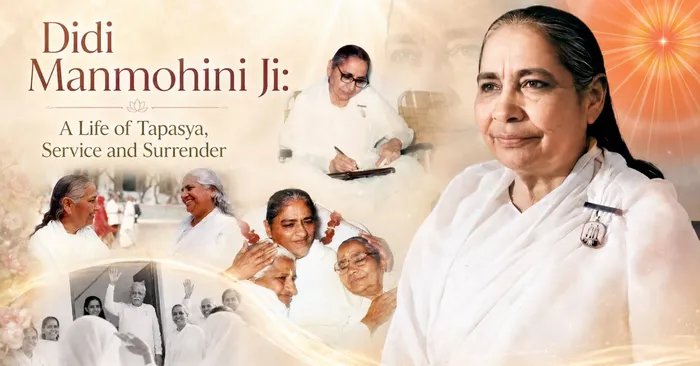
On the morning of 28 July 1983, a deep spiritual silence filled Didi Manmohini Ji’s hospital room in Mumbai. Though her body had undergone a major operation, her awareness remained steady in God’s remembrance. Even in those final hours, her focus was not on herself, but on sharing spiritual understanding with those around her. The atmosphere gradually transformed into one of peace and quiet reflection.
At around 9:30 that morning, Didi completed her physical journey. In that moment, the words she had often spoken in her later years came alive with deeper meaning: “Ab ghar jana hai…” (now we have to return home.)
What may have once sounded like an expression she spoke about often, revealed itself as a profound inner realization to all.
To understand how she reached such a state, we must travel back several decades—to Hyderabad, Sindh, and to a young woman named Gopi whose life was surrounded by comfort, but whose heart was searching for God.
Wealth Around Her, but a Search Within
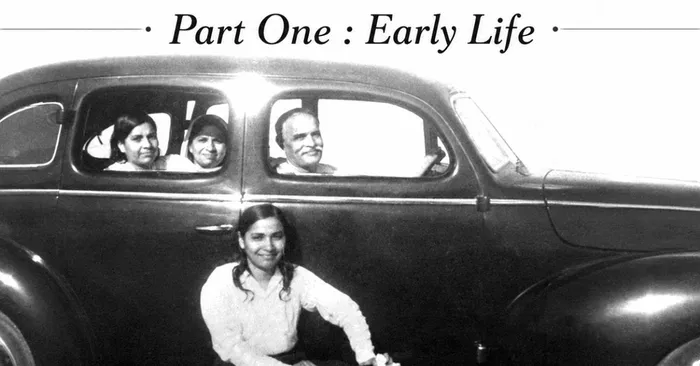
Didi Manmohini Ji, was born as Gopi into one of the most respected and prosperous families of Hyderabad, Sindh. The family lived in a spacious residence in the main market of Hyderabad. She had two younger brothers and a younger sister who later became known as Sheel Dadi. Gopi grew up in a large joint household, surrounded by comfort, security and social standing. She was later married into another wealthy family, and her husband was a businessman who frequently travelled abroad.
From the outside, her life appeared complete. Yet she did not feel complete within.
One reason was the sorrow she had observed in her mother’s life. Her mother, Rukmani ji, had experienced the untimely passing of her husband and lived with a deep sense of loss. Watching her mother’s pain made Gopi realise that wealth, family and worldly comforts could not protect a person from sorrow. Wealth could provide only convenience.
This understanding did not make her bitter. It awakened a search within her.
She began attending spiritual gatherings, studying sacred texts, taking an interest in charitable work and reflecting deeply on God. Her quest extended beyond the pursuit of conventional religious knowledge alone. She wanted to understand whether it was possible to experience the kind of peace and happiness that did not depend on circumstances.
This inner search gradually brought her closer to the stories that would touch her heart most deeply—the stories of Shri Krishna and the gopis.
The Girl Who Wanted to Meet Krishna
The stories of the gopis had a special place in Didi ji’s heart. She would read how the gopis remembered Shri Krishna with such deep love that they became unaware of everything around them. Their minds remained absorbed in him, and their longing was so pure that even reading about it brought tears to her eyes.
Since her own name was Gopi, these stories felt deeply personal.
She would wonder:
“Could I also become such a gopi?”
In the scripture she also read, a description of a great teacher of the Gita whose words carried such spiritual power that even a person passing by would stop to listen, forgetting where they had been going.
Each time Gopi read this, a question arose in her heart:
“Will I ever meet someone who can explain the Gita in such a living way?”
She longed to meet someone whose words could fulfil the spiritual yearning within her.
Her devotion also expressed itself through service. Although she belonged to a wealthy family, Gopi felt a deep urge to serve through her own effort. Perhaps, she felt, sincere devotion and selfless service would bring her closer to God. At that time, she did not know that the answer to her longing would soon come.
The Moment That Transformed Her Life
Her answers came through Dada Lekhraj, a well-known businessman and jeweller who was already familiar to Gopi’s family. He was later known as Brahma Baba, the founding figure of the Brahma Kumaris.
One day, Gopi’s mother, Rukmani ji, attended a spiritual gathering conducted by him. Having already experienced deep sorrow after the early passing of her husband, she found comfort and a new sense of direction in the spiritual knowledge she heard there. The following day, she sent her car to bring Gopi to the gathering as well.
When Gopi arrived, Brahma Baba was seated in a small room conducting a spiritual discourse. Although she had seen him several times before because of the close relationship between their families, something felt different that day. She experienced a powerful spiritual pull.
As she looked at him, she saw something extraordinary—a divine glow, a light seen at the centre of his forehead. Brahma Baba continued speaking, but Gopi was hardly aware of the words. Her attention remained absorbed in the light. At the end of the gathering, he began chanting the sound of Om. Gopi became deeply immersed in the love and peace carried by that sound. The light was still visible to her, and in that moment, she felt that the longing she had carried for years was finally being answered.
From a Powerful Experience to Spiritual Understanding
After the gathering, Brahma baba asked Gopi whether she had understood what he had explained. She replied honestly:
“Baba, I heard it, but I have a question in my mind.”
When he asked her question, Gopi said: “A woman cannot have a guru, can she?”
She had been taught that a married woman should regard her husband as her guru. She was therefore unsure whether attending these gatherings meant accepting Brahma Baba as another spiritual guru.
He responded simply:
“I did not say that you had to have a guru.”
His answer reassured her. There was no guru here, just one God, the Supreme. There was only an invitation to listen, reflect, and discover truth through her own understanding.
Gopi then expressed her desire to learn more, and he asked her to return the following day.
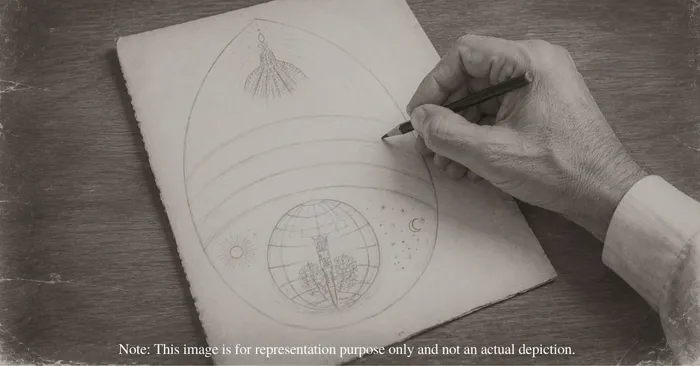
When she came again, Brahma Baba took a sheet of paper and a pencil. He drew simple illustrations and explained the physical world, the subtle region and the incorporeal Soul World. He began helping her understand the difference between the physical body, the soul within it and the Supreme Soul.
The experience of light she had received the previous day was now supported by spiritual knowledge. As she listened, a deep conviction arose within her that the yearning she had carried for years was being fulfilled. From then onwards, Gopi began attending the spiritual gatherings regularly. Her search was no longer only a longing of the heart—it had become a path of understanding and transformation.
She began changing her life as her understanding of this spiritual knowledge grew.
A Vow That Changed the Course of Her Life
As Gopi continued attending the gatherings, one teaching touched her deeply—the call to live a life of complete purity. Purity was not only about an external discipline. It meant keeping the mind, heart and relationships elevated, and directing one’s love towards God. She accepted this principle with complete faith and made a firm vow to live a life of celibacy.
This decision soon brought strong opposition within her married life. Her husband found it difficult to accept the path she had chosen, and the atmosphere at home became increasingly painful.
Yet Gopi remained steady.
She had not taken the vow under anyone’s pressure. It had arisen from her own understanding and from the spiritual experience that had awakened her heart. She therefore decided that even if she had to face criticism, or hardship, she would not give up the path of purity.
When her mother came to know about the difficulties she was facing, she brought Gopi back to her parental home. For a brief time, it seemed that she had found safety and support. But as opposition to the spiritual gatherings grew across Hyderabad, even her parental home gradually became another place of restriction. At first, Didi ji’s mother, her sister Sheel, her cousin Brijshanta and other members of the family also began attending the spiritual gatherings. Even her grandfather, Dada Aasharam, listened to the knowledge and initially appreciated it.
But the atmosphere in Hyderabad was changing.
Opposition to the gatherings conducted though Brahma baba (by the Supreme, Shiv baba) was growing. Families feared that long-established customs were being challenged, and social pressure began to build around those who attended. Dada Aasharam, a respected elder in the community, also came under pressure. Gradually, he stopped attending the gatherings and began preventing the women of the household from going too.
The support Gopi had briefly found now turned into another restriction. She was told not to attend, but her inner conviction had become too strong to ignore. She would quietly find ways to reach the spiritual gatherings, sometimes with the help of family members who understood her longing.
When this was discovered, the restrictions became more severe. At times, she was locked inside a room so that she could not leave. Yet even these bondages could not weaken her determination. Eventually, Gopi was told that if she wished to continue on this spiritual path, she could no longer remain in the family home.
She chose to leave. The faith that had begun as a quiet experience of light was now being tested through the realities of life.
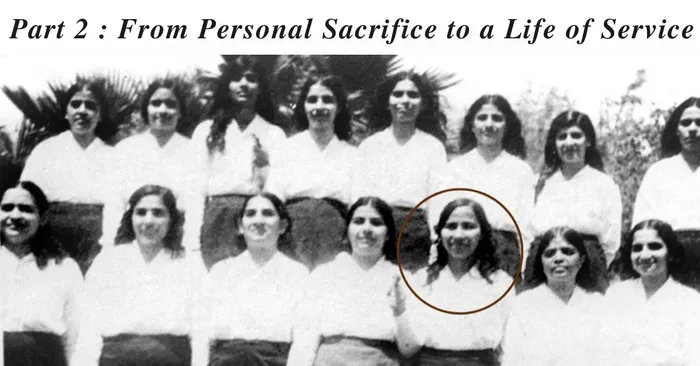
After leaving her family home, Gopi came to Brahma Baba. He arranged a separate place where she could stay with her mother, Rukmani—lovingly known as Queen Mother—and her sister, Sheel. From there, they would go to Om Niwas for spiritual study, meditation and daily activities.
But the opposition in Hyderabad continued to intensify. Public demonstrations and picketing made it increasingly difficult for them to live and study in peace. Brahma Baba therefore moved to Karachi, and Gopi also went there with her mother and sister.
In Karachi, a house was again arranged for them known as Prem Niwas.
Prem Niwas soon became much more than their family residence. Married women and young sisters who were facing opposition and restrictions in their homes began coming there for shelter and support.
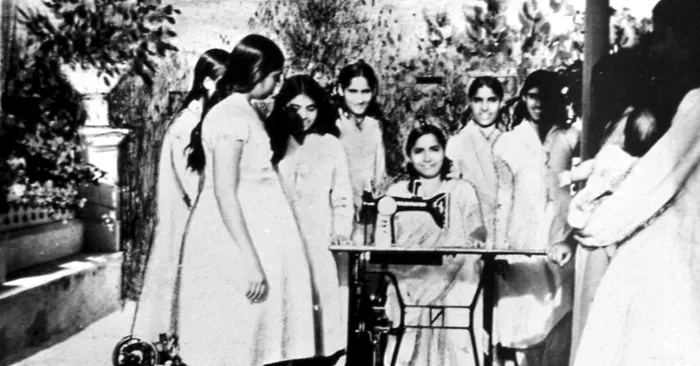
Gopi understood that they needed more than a safe place to stay. They also needed dignity, confidence and a way to become self-reliant. Drawing upon the skill she had learnt earlier, she began teaching them sewing. This allowed the women to develop a practical skill while continuing their spiritual study. They stayed at Prem Niwas, while joining others at Om Niwas for all daily activities.
Gopi cared for them with the warmth of an elder sister. She encouraged them when they felt uncertain, strengthened their faith and helped them adjust to a new way of life. Gradually, those around her began lovingly calling her Didi, meaning elder sister. The name reflected the relationship she had created—not through position, but through care, protection and spiritual support.
Brahma Baba later gave her the spiritual name Manmohini. The one whose own mind had been drawn towards God was now helping many others turn their minds towards Him. Her past personal experiences and struggles had now become a source of strength for others. It had also prepared her for the larger responsibilities she would soon carry in the early foundation of the Brahma Kumaris.
A Foundational Role in the Early Brahma Kumaris
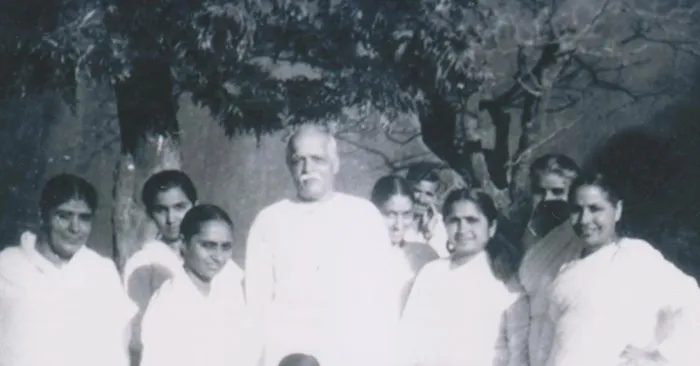
As Didi Manmohini’s qualities became visible through her care for others, Brahma Baba began entrusting her with greater responsibilities.
In 1937, Brahma Baba created a trust to give the emerging spiritual organization a formal foundation. In a remarkable step for that time, he placed his movable and immovable property in the care of a group of women who had dedicated their lives to Godly service. Didi Manmohini was chosen as one of the members of this trust.
Mateshwari Jagadamba Saraswati, lovingly known as Mamma, became the leading instrument in nurturing and guiding the spiritual organization. Didi Manmohini worked closely beside her as a trusted adviser and support. She soon became known as Mamma’s right hand.
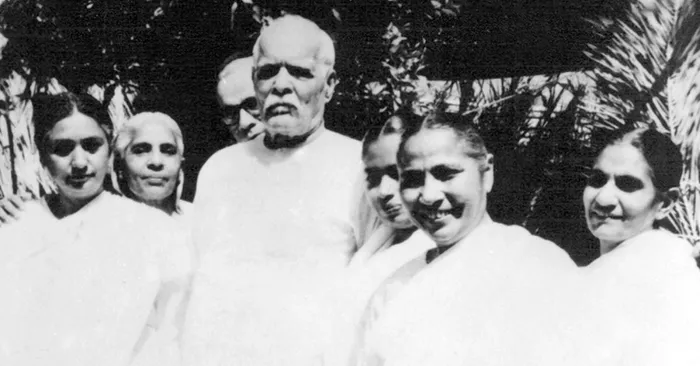
Brahma Baba also gave Didi responsibilities connected with the care of those living in the organization and the practical administration of its daily life. Her maturity, accuracy and ability to understand people gave both Brahma Baba and Mamma confidence in her decisions.
She understood that a spiritual gathering (family) needed more than faith and inspiration. It also required discipline, cooperation, responsible systems and personal care.
The Search for a New Home in India
Following the Partition of India in 1947, the organization, then known as Om Mandli, transitioned from Karachi to India, where it later established its international headquarters.
This was not an ordinary relocation.
Around four hundred people were living together as one spiritual family. Their strength came from living together with a common routine, shared responsibilities and a supportive spiritual atmosphere. So, the new place had to be large enough for everyone to remain together. It also had to be peaceful and protected.
The decision would therefore shape not only where they lived, but also the future direction of the Brahma Kumaris.
Brahma Baba entrusted this important responsibility to Didi Manmohini.
A Search Guided by Purpose
Before Didi began the search, Brahma Baba gave her two clear directions.
The place needed to be silent and large enough for everyone to live together and practise tapasya. With these directions in mind, Didi travelled to India and began making enquiries. With the help of relatives and well-wishers, she inspected several properties.
Some were large but did not provide enough privacy. Others were peaceful but could not accommodate everyone. Her search eventually brought her to Ahmedabad. There, through a family connection, she met Swami Gangeshwaranand Ji Maharaj.
After hearing about the kind of place they required, he suggested that she visit Mount Abu.
The Place That Became Madhuban
Mount Abu was known for its peaceful surroundings and its long association with saints and spiritual seekers. Its distance from the noise of large cities made it suitable for a life of silence and meditation. Several spacious properties connected with royal families were also located there.
Didi travelled to Mount Abu and began visiting one place after another. Yet none of them seemed to fulfil all the requirements Brahma Baba had given her.
Some were too small. Others did not offer the privacy or atmosphere needed. After inspecting many properties, Didi was almost ready to leave without finding the right place. The driver who had been taking her from one location to another then asked:
“Sister, you have seen so many buildings. What exactly are you looking for?”
Didi explained:
“We need a place where around four hundred people can live together, away from the noise of the world, and practise tapasya.”
Only then did the driver fully understand the purpose of her search. He remembered one more property and offered to take her there. When Didi saw it, she recognised that it could fulfil Brahma Baba’s directions. It was spacious enough for around 400 people, away from the noise of city life and surrounded by an atmosphere suited to silence, study and meditation.
After a long search, they had found the new home.
Didi conveyed her assessment to Brahma Baba. His trust in her discernment was such that the relocation of the entire community proceeded on the basis of her decision.
Moving from Karachi to Mount Abu
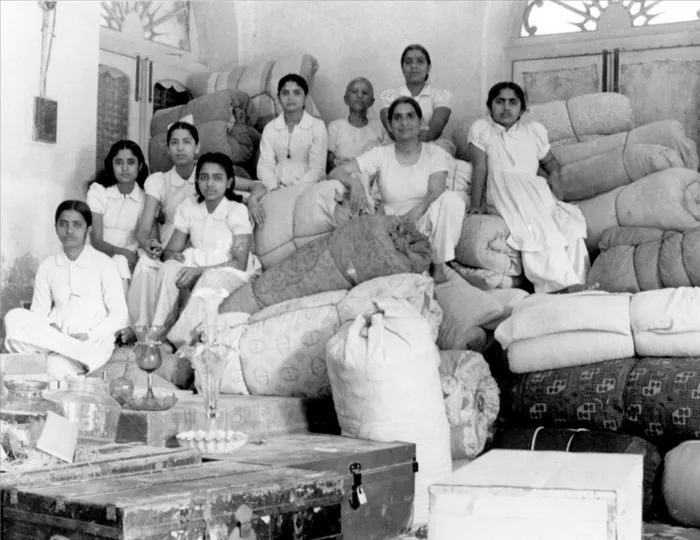
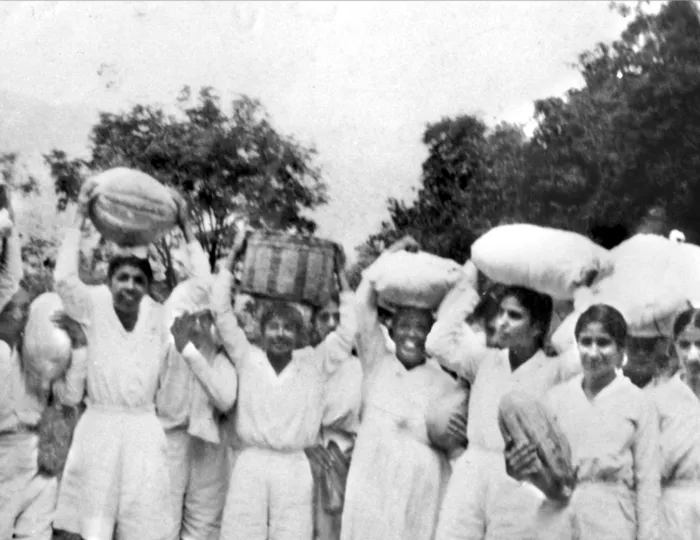
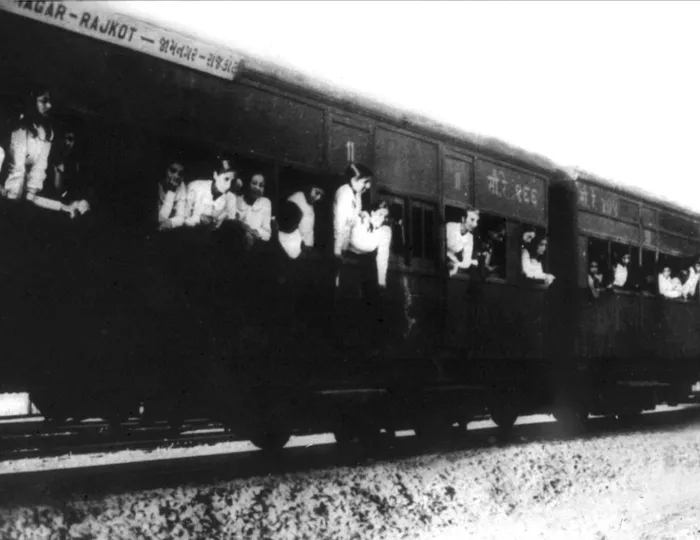
Finally on 5 May 1950, the members of Om Mandli (now known as the Brahma Kumaris) arrived in Mount Abu.
However, Didi had not merely found a building. She had helped establish the physical foundation from which the Brahma Kumaris would enter a new era of spiritual service. Because later, Mount Abu developed into the international headquarters of the Brahma Kumaris fondly known as Madhuban. And, what began as a home for a few hundreds, gradually became the international headquarters of the Brahma Kumaris.
People from across India, and later from countries around the world, would come there for spiritual study, meditation and transformation. Didi had not merely found a building. She had helped find the physical foundation of Brahma Kumaris.
Journey of the Headquarters
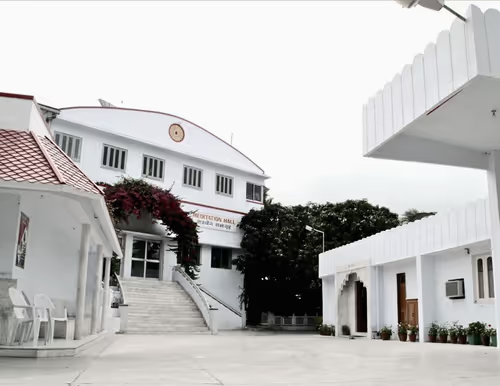
Between 1950 and 1955, the organization was based at Brij Kothi (a property belonging to the Maharaja of Bharatpur). They then moved to Kota House from 1955 to 1958. In 1958, they shifted to Pokran House, which later became known as Pandav Bhawan, and still continues to hold a special place in the organisation's history. Here is a short video to virtually experience this international headquarters - Pandav Bhavan.
Building the Inner Foundation
The move to Mount Abu marked a turning point in the journey of the Brahma Kumaris.
The years in Karachi had been a period of protection, collective living and deep spiritual practice. Madhuban now gave the organisation the peace and stability needed to preserve that foundation while gradually preparing for a wider phase of service.
For Didi Manmohini, the move brought greater responsibility.
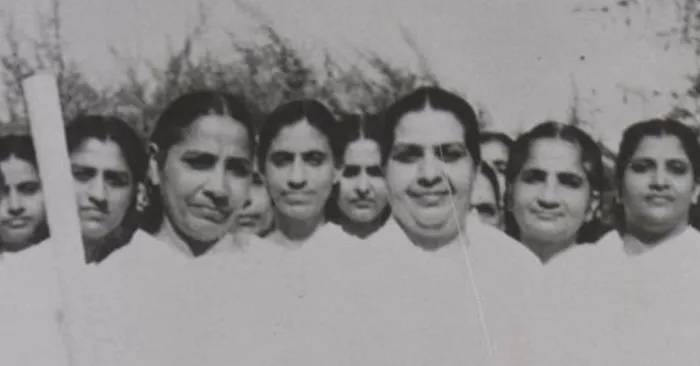
She continued working closely with Mamma in caring for the spiritual family and managing the daily functioning of the organization. However, Didi also understood that the future strength of the Brahma Kumaris would not depend only on buildings, systems or the number of centres. It would depend upon the spiritual stability of the people carrying the service forward.
This understanding shaped both her own life and the way she prepared others.
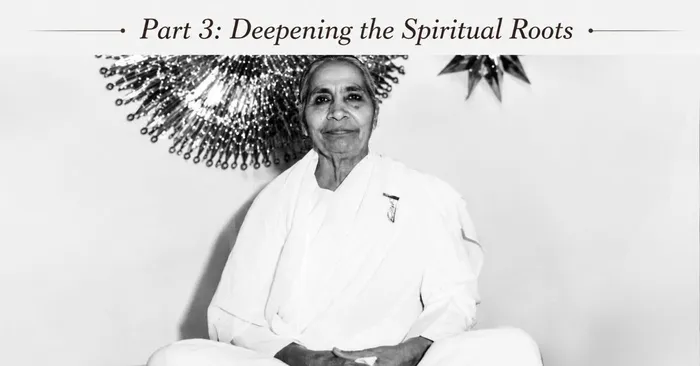
Despite her growing responsibilities, Didi remained deeply committed to spiritual study and Rajyoga meditation. She was regular in the daily spiritual class, known within the Brahma Kumaris as the Murli—the teachings studied each morning. She would arrive with her notebook and pen, listen attentively and write down important points. During the day, she reflected upon what she had heard and shared it with those who came to meet her.
At times, before beginning a conversation, she would ask someone what they had understood from that morning’s class. In this way, even a personal meeting became an opportunity for spiritual reflection.
Her position never gave her the feeling that she had learnt enough. Till the end, she had remained an attentive student. The discipline she expected from others was therefore first visible in her own life.
Preparing Others to Carry the Service
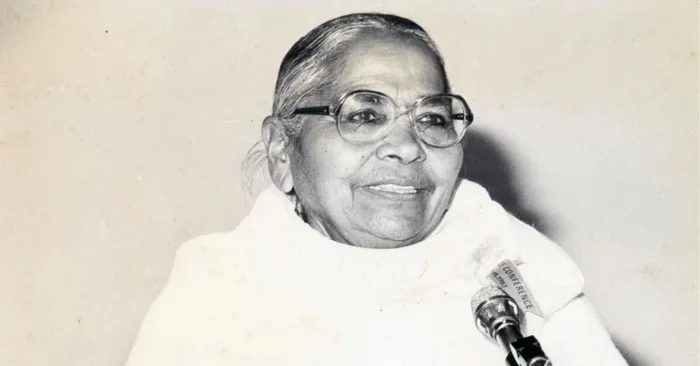
As service gradually expanded beyond Mount Abu, Didi travelled to cities such as Delhi, Allahabad and Gwalior. She met the brothers and sisters taking responsibility in different places and helped them strengthen both their spiritual understanding and their way of living.
For Didi, opening a centre was only the beginning.
The person serving through it had to become an example of the knowledge being shared first. Spiritual wisdom had to become visible in conduct. Rajyoga meditation had to support every action, and responsibility had to remain free from ego and personal attachment.
As more brothers and sisters began taking responsibility, Didi recognised the need for systematically preparing these teachers. Because, together with enthusiasm for service, those guiding others required a stable foundation of knowledge, meditation and self-discipline. She therefore helped organise teachers’ training programmes, spiritual retreats and periods of concentrated meditation in Madhuban. These gave the sisters and brothers an opportunity to step away from daily activity, reflect on their inner stage and strengthen their connection with God.
For Didi, tapasya did not mean withdrawing from life or service. It meant remaining inwardly connected with God while carrying every responsibility with care.
This balance between inner remembrance and outward service became central to the way she prepared the brothers and sisters. As the organisation continued to grow, the same qualities would also prepare Didi for one of the most significant responsibilities of her life.
A Milestone even for the Brahma Kumaris
On 18 January 1969, Brahma Baba completed his physical journey. For the organization, this was a defining moment.
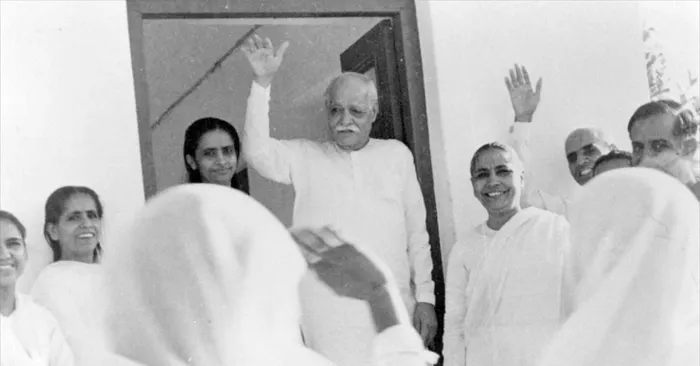
Until then, Brahma Baba had been the physical medium through whom the Supreme Father, Shiv Baba, offered daily guidance, conducted spiritual classes, and personally sustained those carrying different responsibilities.
The Brahma Kumaris now faced the journey ahead without the physical form of their founding instrument. This was not simply a question of who would hold an administrative position; the challenge was to preserve the unity, spiritual discipline, and the deep realization of Shiv Baba’s presence upon which the institution had been built.
At this important turning point, Dadi Prakashmani became the Administrative Head of the Brahma Kumaris, while Didi Manmohini became the Additional Administrative Head.
Together, they guided the spiritual family into its next phase.
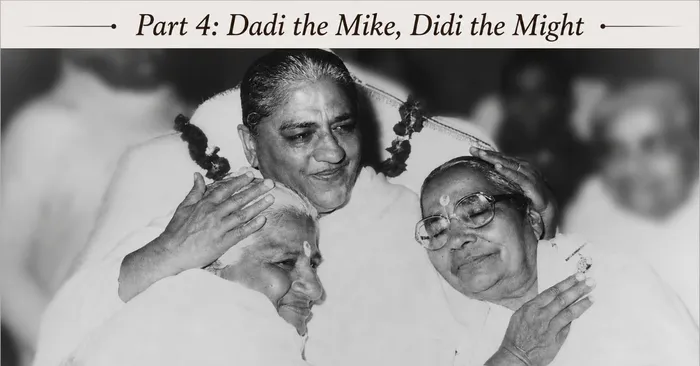
The Meaning of “Mike” and “Might”
Their complementary roles came to be described through a memorable expression:
“Dadi Prakashmani was the mike, and Didi Manmohini was the might.”
A microphone carries a message outward so that it can reach many people. In the same way, Dadi Prakashmani became the visible voice of the Brahma Kumaris. She met people, represented the organization and carried the Godly message across the world.
Didi Manmohini provided the inner strength, might, that supported this expansion. Her clarity, spiritual discipline, administrative understanding and ability to discern what was needed helped keep the foundation stable as the organisation grew.
The expression did not suggest that one was more important than the other. It showed how their different qualities worked together. Moreover, Dadi and Didi did not view leadership as personal authority. They merely saw themselves as instruments serving a responsibility that belonged to God.
Dadi Prakashmani ji with Didi Manmohini ji
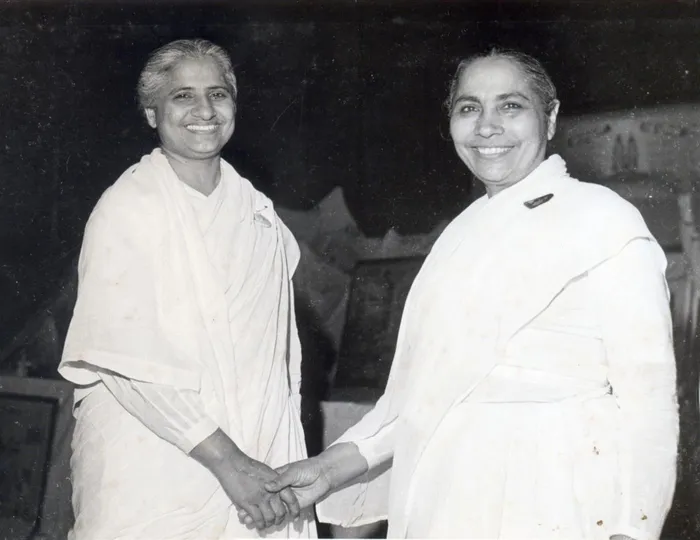
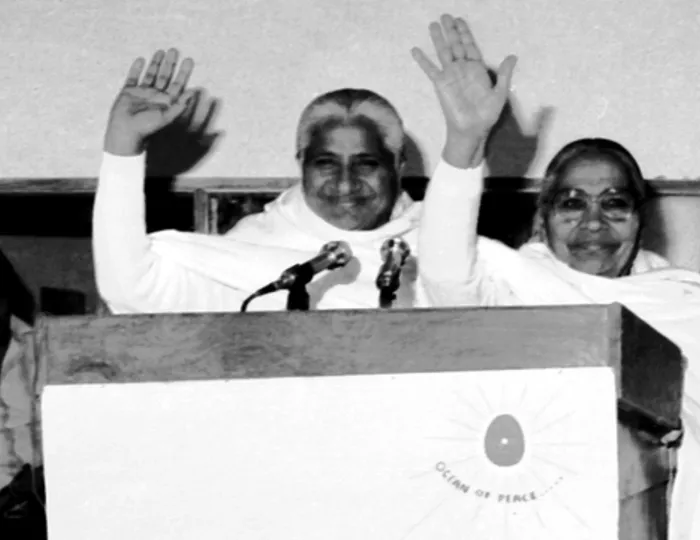
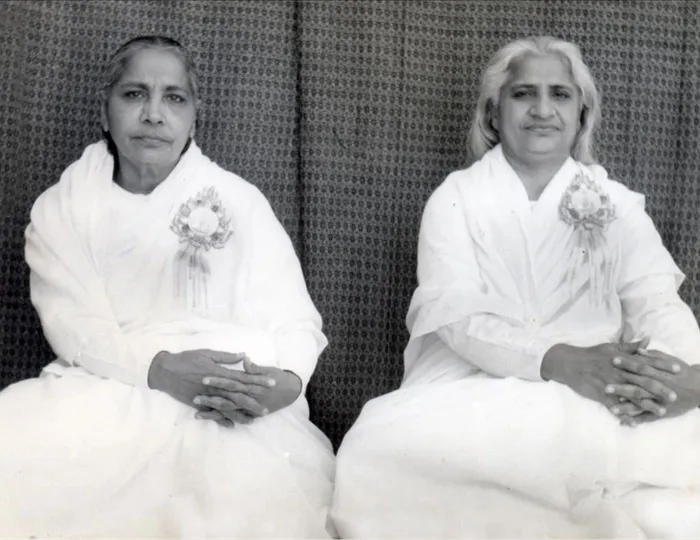
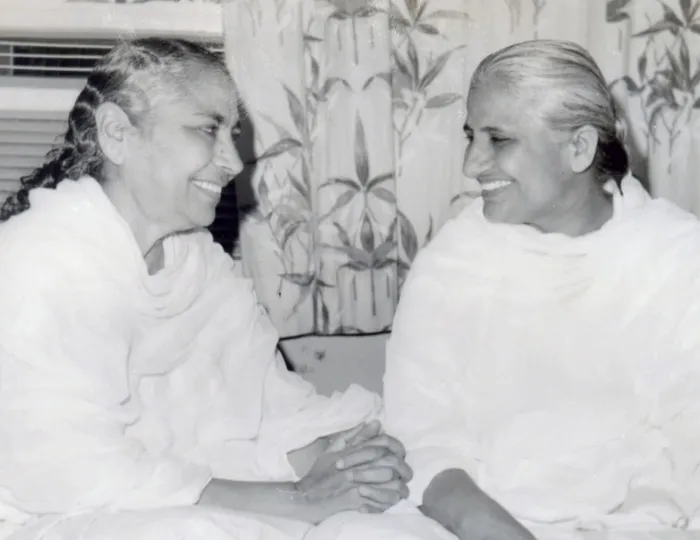
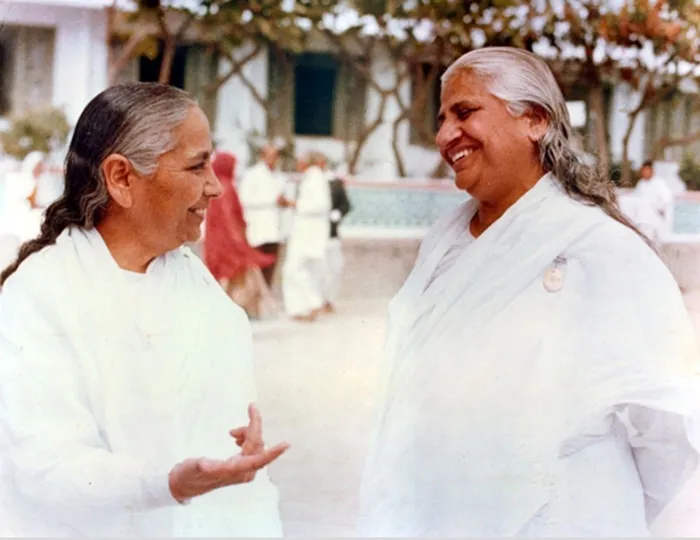
Before taking important decisions, they consulted one another. Their personalities and ways of working may be different, but their purpose remained one.
It was said that:
“The bodies are two, but the soul is one.”
It expressed their complete unity—what one understood or decided, the other carried out with the same trust, purpose and spiritual aim. For nearly fourteen years, they carried the administration together with this same cooperation.
They did not allow differences in personality to become division. Nor did they allow position to create competition between them. Their unity gave stability to the entire organization. At a time when the Brahma Kumaris was expanding into new cities and countries, this example of shared leadership became one of its greatest strengths.
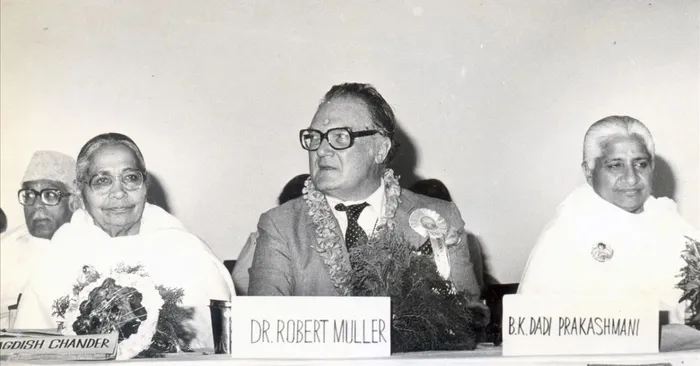
From a Spiritual Community to a Worldwide Family
Under their joint leadership, the work of the Brahma Kumaris expanded steadily.
The community that had once lived together in Karachi under difficult circumstances was now becoming an international spiritual organisation.
New centres opened across India and in other countries. More teachers and volunteers began taking responsibility, and people from different cultures and backgrounds came to learn Rajyoga meditation.
Didi Manmohini ji Service Glimpses
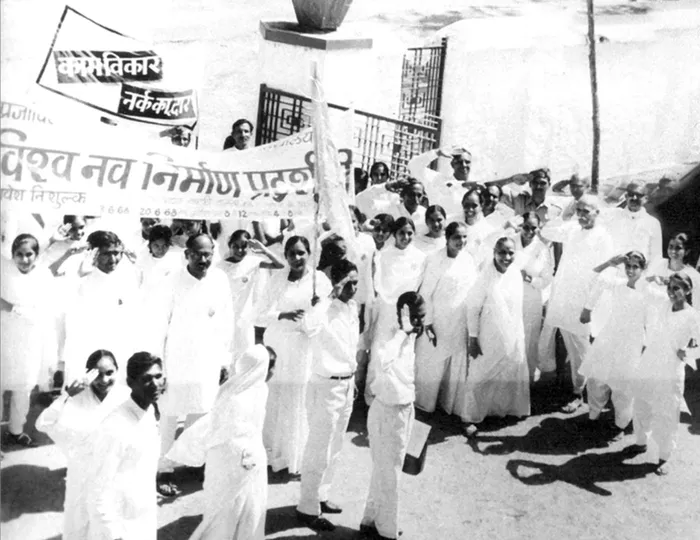
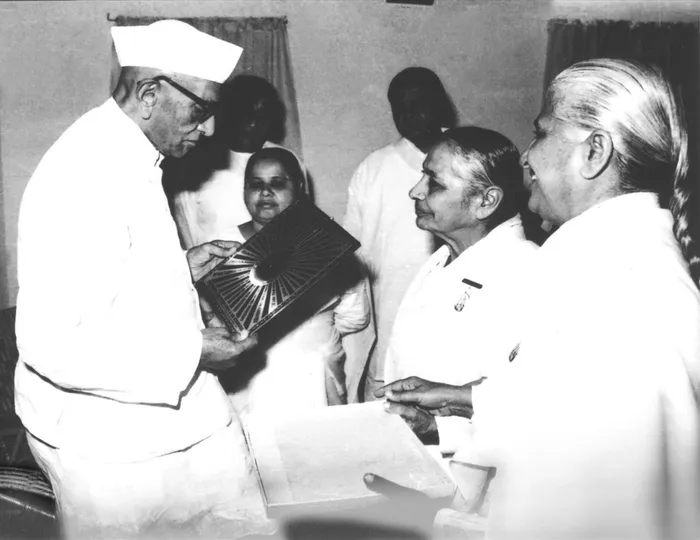
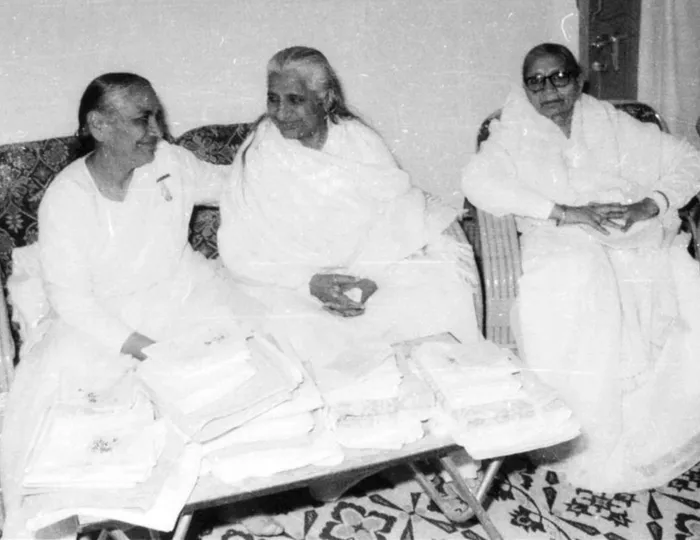
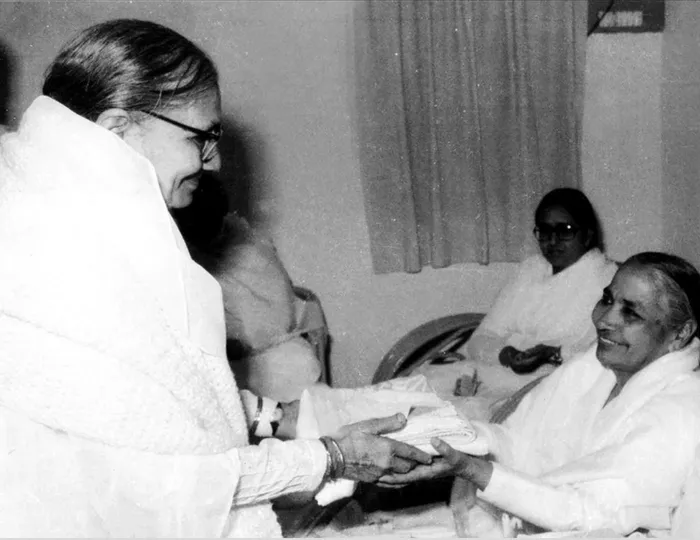
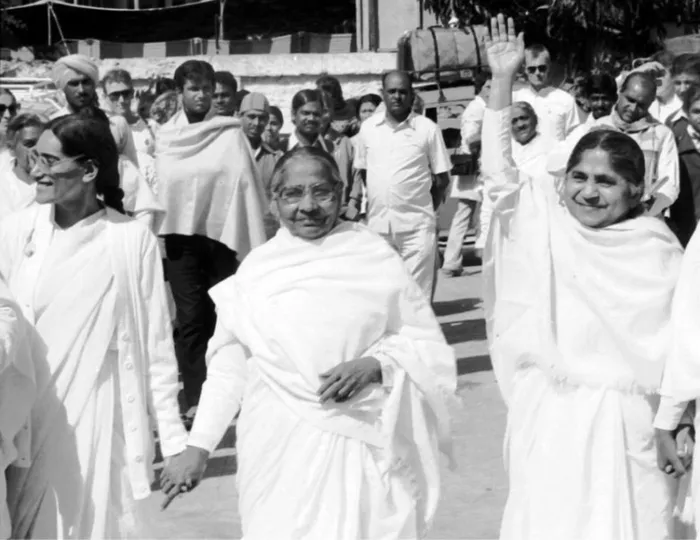
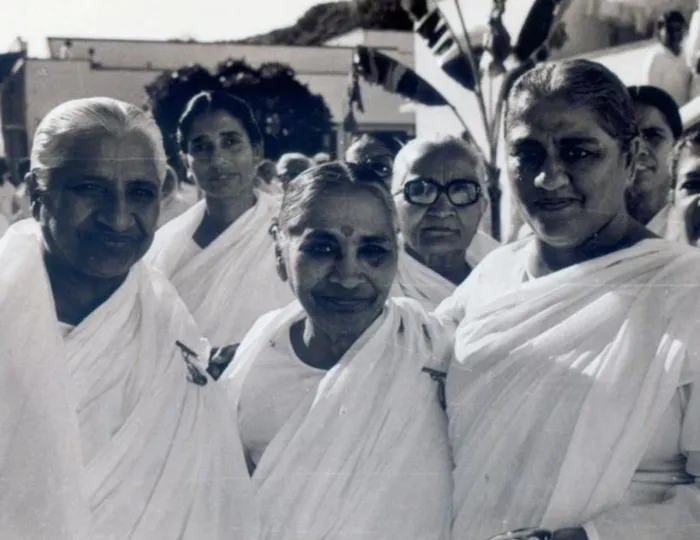
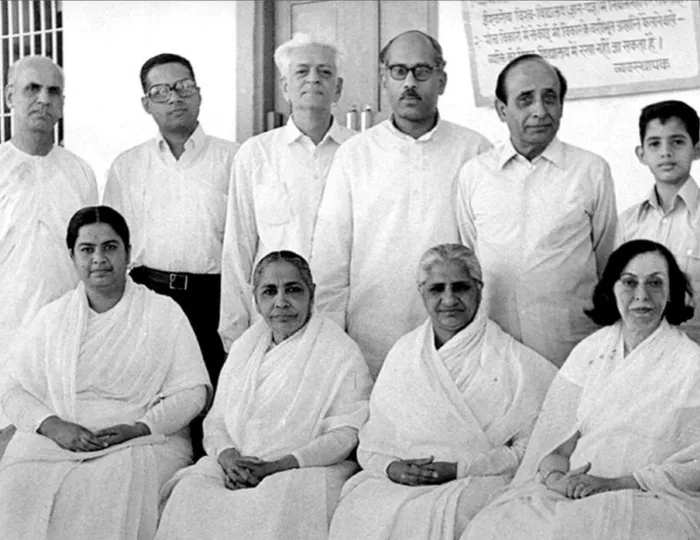
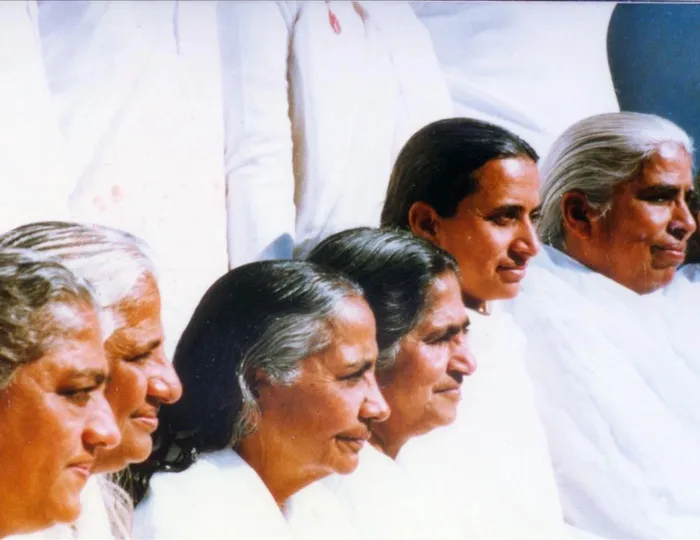
By 1983, the Brahma Kumaris had approximately 1,150 centres and sub-centres around the world.
Yet this growth was not sustained by expansion alone.
Dadi and Didi continued protecting the spiritual practices that had shaped the institution from its earliest days—daily spiritual study, early-morning meditation, purity, responsible use of resources and service without personal ownership.
Their partnership made it possible for the work to expand without losing the foundation created during the years of study and tapasya.
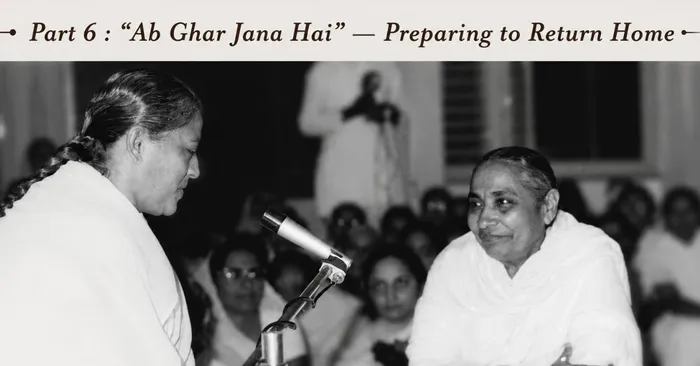
Didi Manmohini continued travelling and serving even in the later years of her life. She met students and teachers across India and abroad, conducted spiritual classes and strengthened those carrying responsibility.
Together with the expanding service of the Brahma Kumaris, Didi ji increasingly drew attention towards a deeper stage of spiritual life—remaining free from attachment.
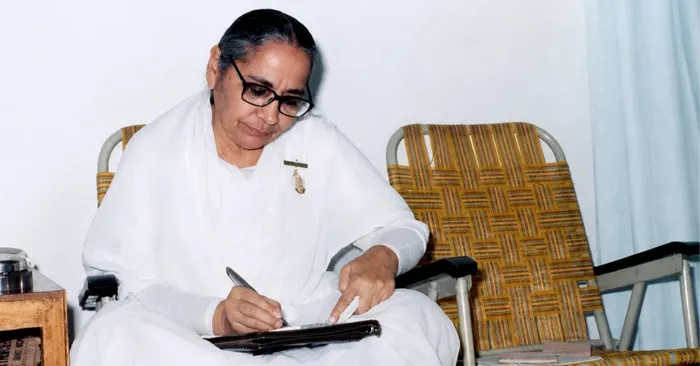
During this period, one sentence appeared repeatedly in her classes and conversations. Didi Manmohini repeatedly encouraged everyone to increase the intensity of their remembrance of God. In almost every spiritual discourse, she would remind them:
“Ab ghar jana hai" (now we have to go home.)
In the teachings of the Brahma Kumaris, home refers to Paramdham, the eternal home of souls. Didi ji’s these words expressed the direction and urgency of spiritual effort.
To prepare for the soul’s eventual journey home, she encouraged everyone to leave behind the burden of past matters, become light, stop focusing on the weaknesses of others, recognise their virtues and follow Shrimat—God’s elevated directions—regularly and sincerely.
For Didi, preparing to go home meant becoming less body-conscious and more aware of oneself as a soul. It meant increasing remembrance of the Supreme Father, Shiv Baba, purifying one’s thoughts and completing every responsibility without carrying unnecessary burdens.
Thus, “Ab ghar jana hai” became a call to intensify tapasya and become spiritually ready for the soul’s ultimate destination.
The Golden Threads of Attachment
Once someone asked her how they could think about returning home when so much Godly service still remained to be done.
Didi explained that service would continue according to God’s plan and through the many souls who had become instruments for it. No individual should believe that the work depended entirely upon them.
The responsibility of each soul was to serve sincerely while gradually becoming free from attachment.
Didi drew attention to a subtle form of bondage—attachment to service itself. Attachment to people, possessions or comforts may be easy to recognise. But a person can also become attached to a position, a responsibility or the belief: “This service belongs to me. Without me, it cannot continue.”
Because such attachment is connected with something good, it may not appear harmful. Didi compared it to golden threads. Iron chains are easy to see, but golden threads can bind a person without being recognised.
She therefore encouraged everyone to remember:
“I am a soul. I am a guest in this world. My eternal home is the Soul World.”
When this awareness remains clear, service does not stop. In fact, it becomes purer. The person continues to work with dedication but without ownership, expectation or fear of losing a role.
For Didi, “Ab ghar jana hai” was not a call to leave life incomplete. It was a call to complete every responsibility while remaining inwardly free and detached.
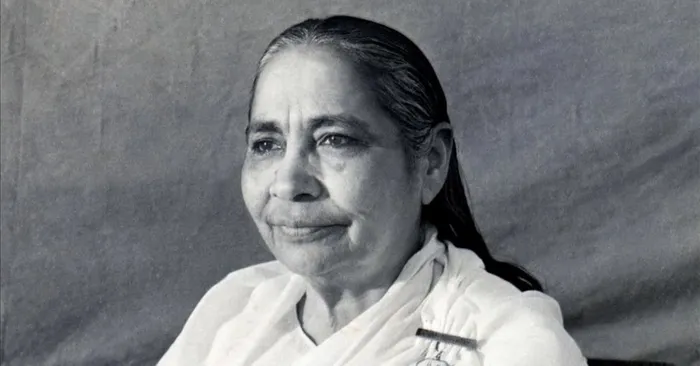
The Final Test of Surrender
In 1983, Didi Manmohini travelled to Mumbai for a medical examination. During the investigations, doctors discovered an abnormality in her brain and advised surgery. The procedure was serious, particularly because Didi was also managing high blood pressure and diabetes. Those around her naturally felt concerned, but Didi remained calm. Her response was simple:
“Everything belongs to God. He knows what is to be done.”
For decades, she had taught others to see themselves as souls and to remain detached from the condition of the body. Now she was being called upon to live that teaching in a deeply personal way.
The operation lasted for several hours and was initially considered successful. During the period that followed, however, her physical condition became unstable.
Even then, she remained concerned about the spiritual well-being of those around her. The doctors and nurses who cared for her experienced her affection and heard her speak about God. The body was passing through treatment, but her consciousness remained connected with remembrance and service.
Then on 28 July 1983, Didi Manmohini completed her physical journey.
In her final days, these words (“Ab ghar jana hai.”) reflected the tapasya she had lived—to attain a state of lightness through soul-consciousness, freeing herself from all burdens, and remaining in remembrance of God.
A Legacy of Strength, Simplicity and Surrender
Didi Manmohini Ji’s legacy lies not only in the responsibilities she carried, but in the spiritual strength with which she carried them. From the early days in Hyderabad and Karachi to the expansion of the Brahma Kumaris across India and abroad, Didi remained the same at heart—a sincere student, a caring elder sister and a soul deeply connected with God.
Her life showed that true leadership is quiet, disciplined and free from personal ownership. It helps others grow, protects unity and remains faithful to a higher purpose. Even today, her message continues to guide every spiritual seeker:
Let knowledge become conduct.
Let relationships help souls rise.
See qualities, not weaknesses.
Remain light by leaving the past behind.
And keep moving forward in God’s remembrance—ready to return home.

Watch the Life Journey of Didi Manmohini Ji
Explore the remarkable spiritual journey of Didi Manmohini Ji—a soul whose life reflects unwavering faith, deep introspection, and complete surrender to the Supreme. From her earnest quest for God to her years of dedicated tapasya and selfless service, her story continues to inspire seekers on the path of truth and inner transformation.