Introduction
Intelligence, strength, passion, and leadership are qualities that can empower anyone, regardless of gender, age, caste, color, or creed. Yet societal norms often frame empowerment within the context of gender, leading to terms like “women empowerment.” This perspective overlooks the fundamental interdependence of men and women in society, akin to the two wheels of a chariot. The ancient Indian concept of Ardhanarishvara — symbolizing half male and half female — beautifully illustrates this balance, emphasizing that creation, maintenance, and destruction rely on both forces. As Mahatma Gandhi aptly said, “Woman is the companion of man, gifted with equal mental capacity.”
Women in History: Power and Leadership
While history often highlights male-dominated narratives, women have demonstrated exceptional prowess and leadership. From queens who ruled kingdoms to modern leaders shaping global policies, women’s contributions are undeniable.
Influential Women Leaders
Global Icons
Some of the most powerful women in history include:
Artemisia of Halicarnassus, Cleopatra of Egypt, and Zenobia of Palmyra: Visionary rulers and warriors.
Empress Suiko of Japan: A pioneer in adopting Buddhism and constitutional reforms.
Queen Isabella of Spain: United Spain and supported Columbus’s voyage, leaving an indelible mark on history.
Indian Heroines
In India, queens like Razia Sultana, Rani Laxmi Bai, and Ahilya Bai Holkar demonstrated courage and leadership.
Razia Sultana: The first Muslim female ruler of Delhi, known for her administrative and military prowess.
Rani Laxmi Bai: A symbol of India’s fight for independence, known for her valiant battles against British forces.
Education: The Path to Liberation
An educated woman is an empowered woman. From the female saints of the Vedic era, such as Maitrayi and Gargi, to modern achievers like Marie Curie, Angela Merkel, and Indra Nooyi, education has been pivotal in shaping empowered women.
Women in Ancient Indian Literature
In the Mahabharata, women like Kunti and Draupadi provided counsel on political and social matters. Female sages composed hymns in the Vedas, reflecting the high regard for learned women.
Divine Feminine: Worship and Empowerment
Goddess worship across cultures symbolizes women’s intrinsic strength, knowledge, and courage.
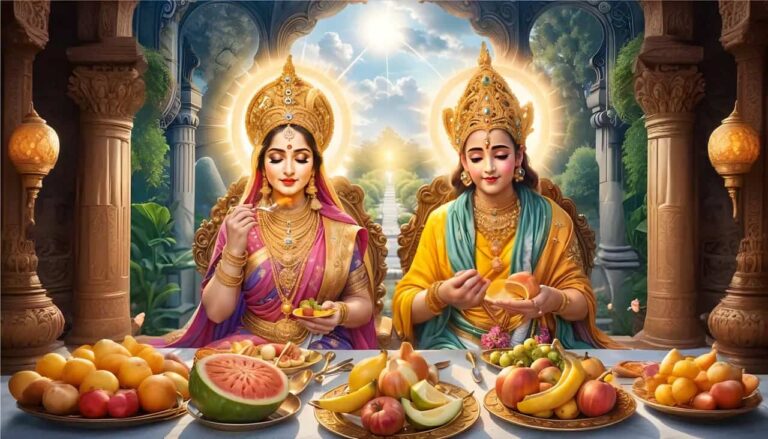
Hinduism: Goddesses like Lakshmi (wealth), Saraswati (knowledge), and Kali (strength) embody empowerment.
Greek Mythology: Athena, the goddess of wisdom, and Eos, the goddess of new beginnings, represent intellectual and spiritual power.
The Power of the Mind
Empowerment transcends physical attributes and resides in mental strength. A disciplined mind fosters resilience, peace, and success. Oprah Winfrey captures this essence: “Passion is energy. Feel the power that comes from focusing on what excites you.”
Rajyog Meditation: A Tool for Inner Strength
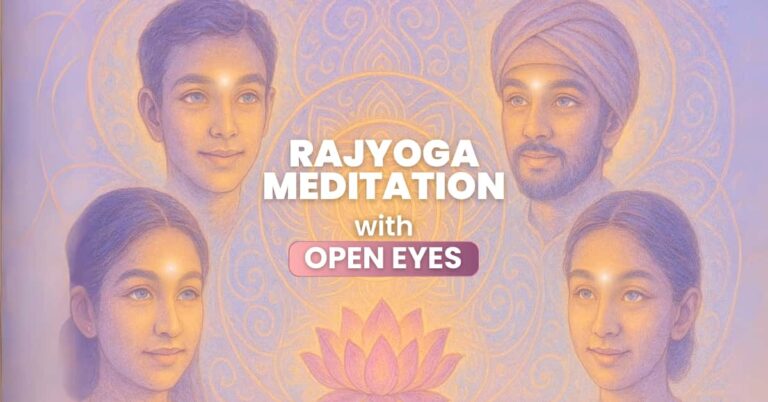
Meditation, particularly Rajyog, enhances inner peace and self-awareness, enabling women to navigate challenges with confidence and purpose. It cultivates positivity, resilience, and a sense of self-worth.
Conclusion
Empowerment is a universal phenomenon that transcends gender and physicality. History, education, spirituality, and mental strength collectively underscore the infinite potential of women. By harnessing these elements, women can achieve extraordinary success and lead with grace and strength, leaving a legacy for future generations.