
Freedom from Addiction: Helping Yourself & Others
Discover how everyday habits can be subtle forms of addiction and learn practical steps to build emotional strength for yourself and others
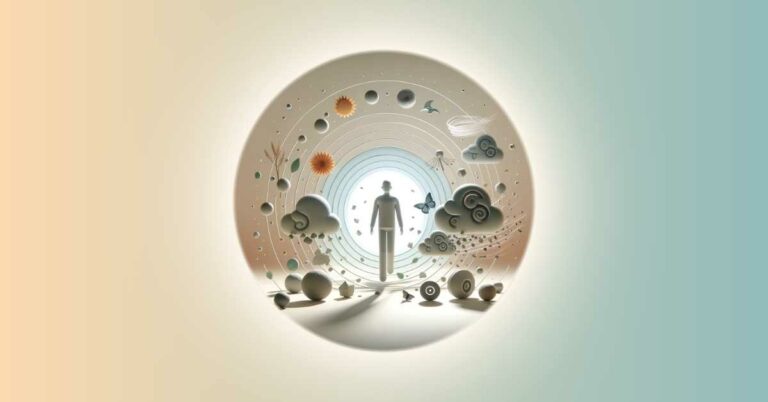
In the mosaic of life’s experiences, it’s often the smallest pebble that seems to unbalance the scale of our mental peace. The inadvertent comment from a colleague, the unexpected reaction from a loved one, or even the self-directed critique can spiral into an emotional tempest, leaving us questioning our emotional resilience. But what if the key to a powerful mind lies not in armoring ourselves against these slings and arrows but in understanding and reshaping our response to them?
From the cradle onwards, we display an array of emotional responses that are as unique to us as our fingerprints. This diversity in temperament and reaction isn’t merely a matter of upbringing or environment; it’s the tapestry of our sanskars (intrinsic impressions) woven through the loom of numerous lifetimes. A child’s immediate irritation or joy, their serenity or volatility, is not learned but carried, an echo from past lives into the present.
When we find ourselves unsettled by someone’s words or actions, it’s a pivotal moment of choice. To dismiss our disturbance with a cavalier “So what?” is to overlook the cascade of consequences that follow – loss of peace, happiness, and even physical well-being. Each reaction is a thread pulled from the fabric of our mental strength, weakening it over time.
Just as a business year doesn’t start afresh but builds on the preceding year’s achievements and failures, our responses are not isolated incidents but part of a continuum. Acknowledging this helps us understand that our power to respond, rather than react, is a muscle that needs conscious cultivation.
Habits, whether of thought or action, are forged through repetition. The analogy of a pathway carved by water on a track beautifully illustrates how our customary responses become our default. To alter this path requires intentional effort to direct our thoughts and actions along a new course, thereby forming new, empowering habits.
The royal way of answering, a metaphor for choosing responses that are aligned with our highest selves, exemplifies this shift. It’s not just about modulating our external reactions but about realigning our internal dialogue to reflect grace, dignity, and control.
This journey of mastering our minds and our reactions is akin to learning to drive our cars with precision and care. Just as a skilled driver navigates the roads with consideration for both their safety and that of others, mastering our mental and emotional responses ensures a journey through life that is less about avoiding accidents and more about enjoying the ride.
The power of the mind is immense, capable of transforming not just our personal experiences but the very essence of our being. By taking care of how we respond to the small disturbances, we build a reservoir of mental strength that can face any storm. Remember, it’s not the words of others that shape us, but our response to them.
(Turn on above audio and start practicing meditation)
Take a moment to sit comfortably and close your eyes. Breathe deeply, inhaling peace and tranquility, exhaling tension and stress. Visualise a situation that typically triggers an automatic, perhaps negative, response in you. Now, reimagine handling this situation in a new, empowered way. Feel the peace and strength that comes from choosing your response. Hold onto this feeling, knowing you can access it whenever needed.

Discover how everyday habits can be subtle forms of addiction and learn practical steps to build emotional strength for yourself and others
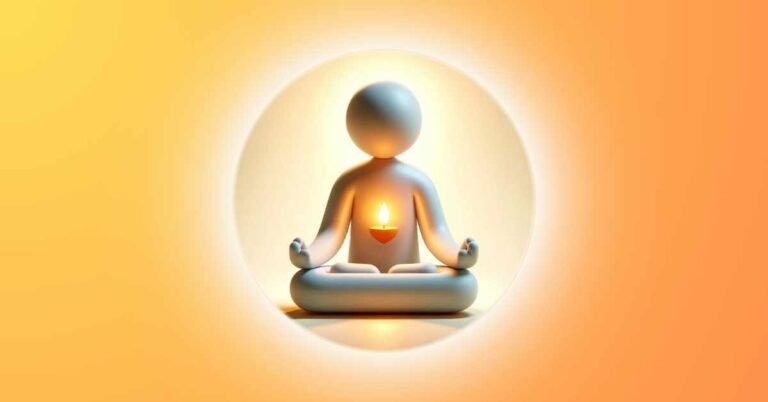
The choice between living in an era of strife (Kalyug) or peace (Satyug) lies within us. By adopting qualities of giving, forgiveness, and love, we can create a personal era of Satyug, irrespective of the external environment of Kalyug.
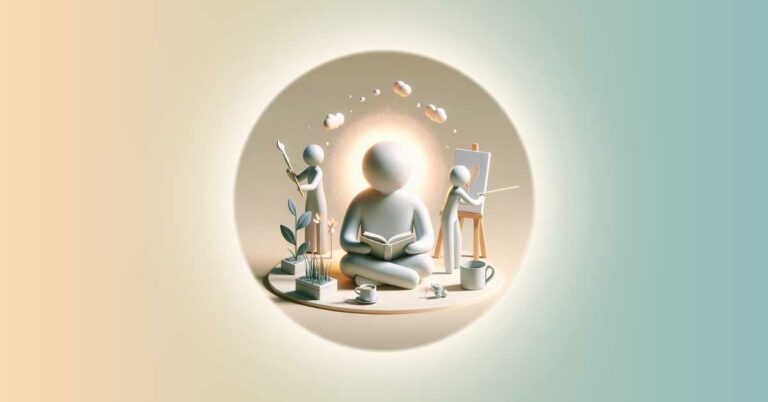
Every thought we create has a ripple effect – it first influences our mind, then our body, then our relationships, and finally, the environment. By cultivating positive thoughts, we can ensure our well-being and positively impact our surroundings.
By embracing the wisdom of the lotus, engaging in positive thinking, and making meditation a daily practice, you embark on a journey of self-transformation. This journey is not just about personal growth; it’s a path to changing the world, one
Discover how mastering your inner world can give you control over your life’s destiny. Learn practical tips and engage in a guided meditation to become the ruler of your inner calm.
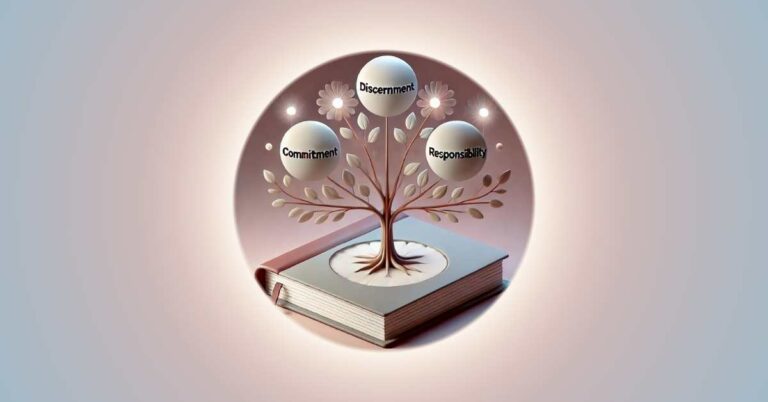
Discover the three essential checks for making powerful, life-changing decisions. Learn how discernment, commitment, and responsibility can transform your choices and lead to miracles in your life.
Discover the profound spiritual essence of Mahashivratri, exploring the significance of awakening, fasting, and the symbolic consumption of bhang, guiding us towards a golden dawn of purity and peace

This blog emphasizes the importance of internal transformation in the New Year, advocating for a shift from external goals to fostering inner peace and empowerment. It underscores the power of not absorbing negativity, instead radiating positivity and using visualization techniques.
It highlights the importance of facing life’s challenges, including loss and grief, with high vibrational, positive thoughts, underscoring the belief in the transformative power of self-reflection and mental resilience.
Transforming your life starts with how you begin your day. These two habits – spiritual awakening and mindful consumption of information – are not just practices but pathways to a more fulfilled, peaceful life. They charge your ‘soul battery’, enabling