Brahma Kumaris Navigation
Diwali with new lens

Diwali Through a New Lens — From Rituals to Realizations

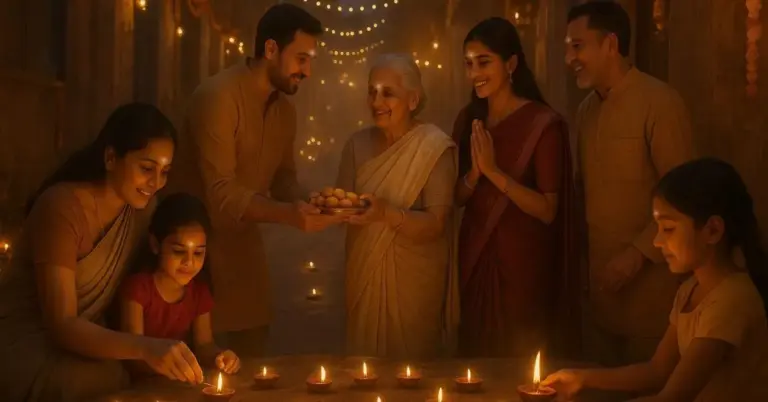
Diwali — the festival of lights — is that time when homes smell of fresh paint, diyas line the balconies, and there’s a certain sparkle in the air. But beyond the glow of lamps and the glitter of celebrations lies a quiet invitation: what if this year, while lighting lamps in our homes and workplaces, we also light one within — in our own minds? Because, when the darkness of old habits and worries melt away and the light of new understanding fills the mind, the celebration lasts far beyond the festive days.

Every ritual of Diwali — from cleaning the house to lighting diyas, from drawing rangolis to worshipping Lakshmi ji— carries a deeper spiritual meaning that mirrors the journey of the soul. So, let us together understand each ritual and start the new year with a new perspective and new beginning.

This diwali, not only light diyas — but, be the light!

🪔This Diwali, Not Only Light Diyas — But, be the Light!


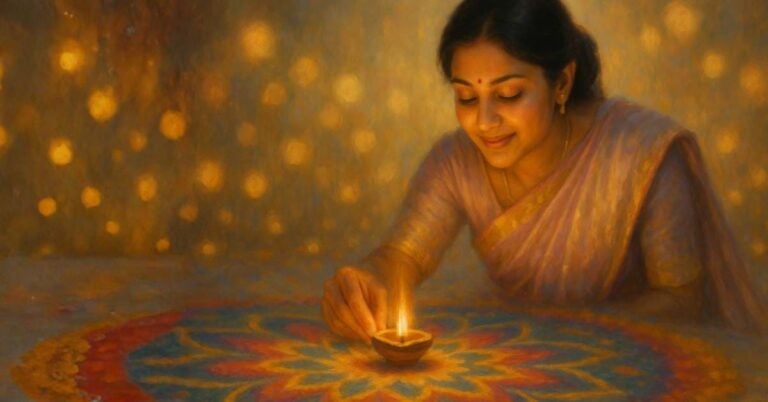
Diwali literally means “the festival of lamps.” We all love lighting diyas — that golden glow never gets old. But have you ever noticed how a tiny lamp can brighten a whole corner? Traditionally, people believe that the lamp at home must never go out; otherwise, it brings misfortune.
Spiritually, this lamp symbolizes you, the soul. The clay represents your body. The oil or ghee is the wisdom and strength you absorb from the Supreme Light. And the flame — that’s your awareness, that I am a soul. When the storms of life blow — stress, expectations, misunderstandings — our light flickers. That’s when we pause, take a deep breath, and reconnect with the Supreme Light. One moment of remembrance is enough to steady the flame again.

And just like one diya lights another, one peaceful soul can awaken peace in many. That’s the real Deepmala — souls lighting souls, the awakening of light from light.

💫 So try this thought tonight while lighting your lamp:

“I am a giver, a soul who radiates peace and joy.
I connect to the Supreme Light, and my light never goes out.”

When one lamp is lit, it naturally lights another. This is the real meaning of Deepmala — the chain of souls awakening each other through divine remembrance.

How can we truly invoke goddess lakshmi

🔔How Can we Truly Invoke Goddess Lakshmi


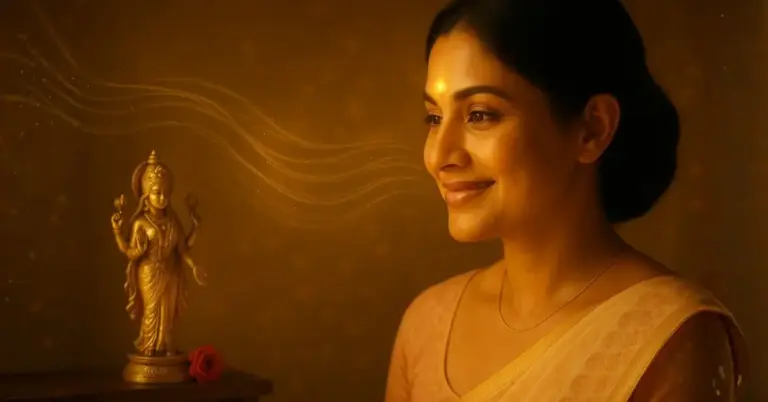
Lakshmi Puja is that time when everyone gathers — the air smells of incense, and for a few quiet moments, even the busiest places feel peaceful and grateful with the sound of aarti and chimes. But Shri Lakshmi is not merely a goddess who visits with prosperity; she symbolizes the divine virtues within us — purity, gratitude, and generosity— that emerge when we align our lives with her qualities.

Lakshmi ji’s blessings bloom wherever there is cleanliness of mind and fullness of heart. When our thoughts are pure and our intentions selfless, abundance follows in the form of peace, love, and purpose.
This Diwali, while cleaning our homes, let’s also dust off the mind — let go of old hurts, painful memories, and negative habits. When we do this, positivity and prosperity flow into our lives effortlessly. Such inner cleansing isn’t just a spiritual idea; it’s deeply practical — it lightens our mood, clears mental fog, and brings a calm, steady joy.

So as the lamps glow and the bells chime, let Shri Lakshmi Puja be more than a ceremony — let it be a reminder that true wealth is not in what we collect, but in what we cultivate — a clean mind, a full heart, and the spirit to give more than we take.

Swastika : it’s not just a symbol — it’s you!

Swastika : It’s Not Just a Symbol — It’s You!


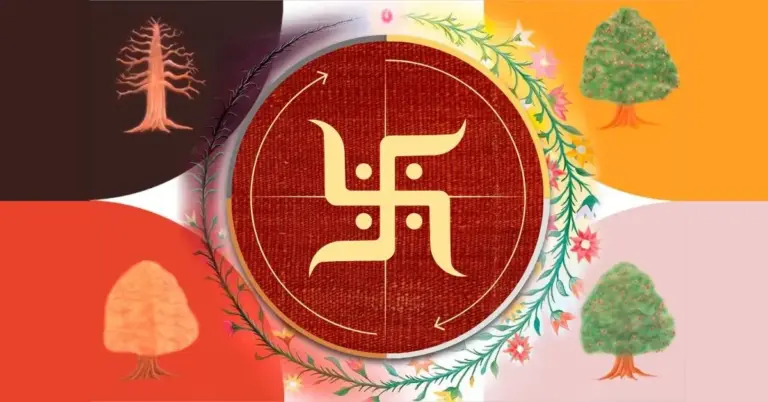
Most of us draw a Swastik during Diwali — red, bright, and beautiful. But have you ever paused mid-rangoli and thought, “Wait… what does this really mean?”

Swastik actually comes from Swa-stithi — being stable in the awareness of swa, the self. It’s not just a symbol for luck — it’s actually the story of us — the soul’s whole journey through time, spinning round and round, just like the Swastik itself!

Our journey starts from Satyug (Golden Age) where we the souls are in full glory. Peaceful, pure, and perfect. Then we travel through Tretayug (Silver Age) where the light is still bright, but a gentle shadow appears. The soul is still royal and divine, but self-awareness starts to dim a little. Then comes Dwaparyug (Copper Age). The twist begins! The soul forgets its true light and starts thinking, “I am this body.” Ego and desires sneak in, and the chase for happiness begins. In Kaliyug (Iron Age), the battery of the soul is low. The soul forgets completely who it is, running after things that never truly satisfy. The light seems almost gone.

So next time you draw a Swastik, smile and remember —You’re not just decorating— you’re reminding yourself that Satyug is about to return, and it begins with you. Be in that awareness, in that swa-stithi, and prepare to live as you once did — peaceful, pure, and divine.

Your words can be the new sweets this diwali!

🍬Your Words Can Be the New Sweets This Diwali!


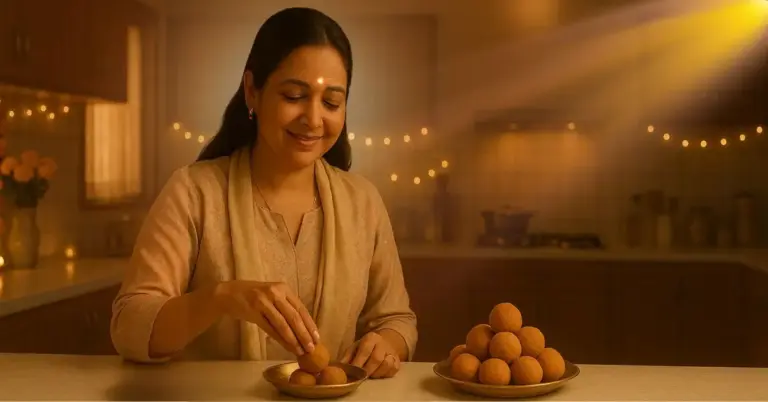
Let’s admit it — no festival is complete without mithai. But the sweetest part of Diwali isn’t laddus or kaju katli — it’s our words and pure intent. When our words are gentle, loving, and respectful it fills hearts with happiness. Every word we speak creates vibrations that travel far beyond our awareness. Sweet, elevated words are like prasadam — they purify the atmosphere. When spoken in soul-consciousness, even a few words can heal hearts and awaken joy in others.

Moreover, in earlier times people prepared sweets with divine remembrance, turning them into Prasad — sanctified food filled with peace and love. This Diwali, let’s bring back the tradition of preparing sweets in remembrance of God, share them with others, and let every soul experience the divine sweetness and happiness that this act invokes.

The gift that costs nothing, yet means everything!

🎁The Gift That Costs Nothing, Yet Means Everything!


The part that we all look forward to the most – exchanging gifts. Yet at times, the focus drifts from the emotion behind the gift to its price or appearance. 

But the most precious ones can’t be wrapped. They’re invisible — kindness, forgiveness, appreciation, blessings. In the world, we often say,

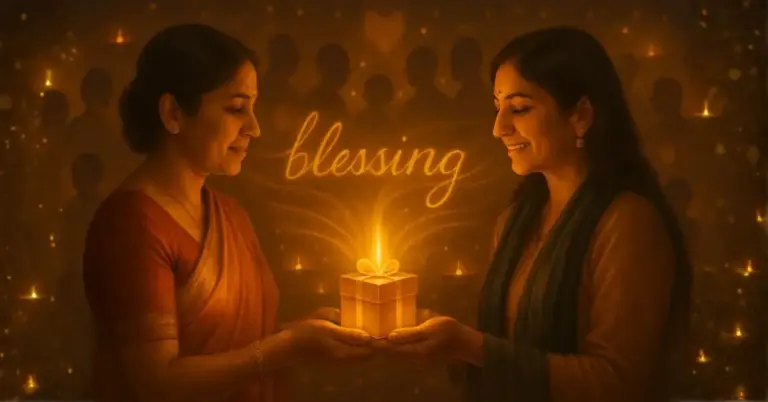
“Duaa do, Duaa lo” — Give Blessings and Receive Blessings.

This is not just a phrase; it is the highest form of giving and receiving. When we share good wishes, kind words, or a simple smile with sincerity, we send out vibrations that uplift others and return to us even stronger.

So this Diwali, together with physical gifts, let every greeting, every meeting, and every gesture become an exchange of blessings. A small word of appreciation, a forgiving heart, or a silent prayer for someone’s happiness — these are the most precious gifts we can offer. Even if someone’s behavior is difficult, bless them sincerely.

Before you buy something new, release something old!


🕊️Before You Buy Something New, Release Something Old!


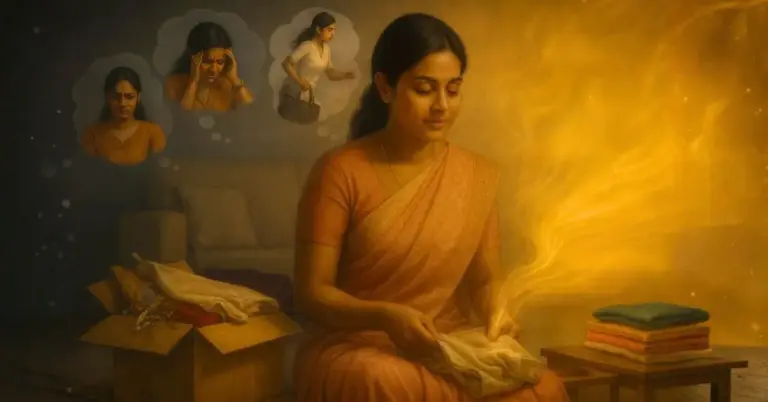
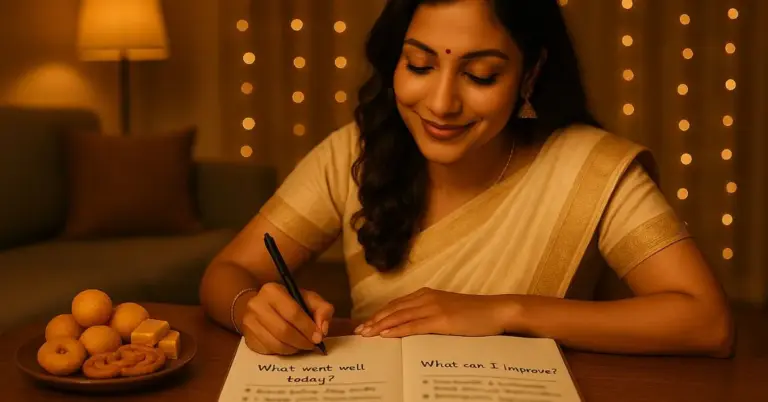
The joy of new clothes and fresh décor is unbeatable — but does the state of mind really match the “newness” of the decor and clothes? Unhealed memories and emotions — anger, hurt, jealousy — remain stored because we once decided “I will never forget this.” When we clean the mind through understanding and forgiveness, we make space for new sanskars — pure habits and fresh feelings.
So today when we replace old things with new, can we try to replace old emotions with compassion and acceptance? This is the true renovation of the soul.

Just like we replace old utensils with shining ones, we can replace old sanskars with new divine habits. Ask yourself:

  • What new habit should I adopt?
  • What emotion should I release?
  • How can I bring freshness to my thoughts, words, and actions?

When our way of thinking changes, our world changes — and a divine, golden world begins to emerge.

How the tilak is more than just tradition

🔆How the Tilak Is More Than Just Tradition


That little red mark between the eyebrows — the tilak — is not just tradition, it’s truth. It reminds us: I am a soul, not this body.  When we stay in that awareness, it transforms the way we see people. It helps us rise above the gender, caste, creed or community. We begin to see souls — all equal, all divine. 

This is how the simple act of applying tilak can expand into Vasudhaiva Kutumbakam — “The world is one family.” Because when I see you as a soul, not a label, there’s no space for prejudice — only peace. And that’s how Diwali can truly make the world a better, brighter home for everyone.


This diwali, close old accounts — the karmic ones

📜This Diwali, Close Old Accounts — The Karmic Ones


On Diwali, businessmen open a new account book and respectfully close the old one — a practice that beautifully mirrors our inner, invisible karmic accounts. Each thought, word, and action creates an entry in this subtle balance sheet of life. Whatever energy we send out — love or anger, peace or pain — eventually returns to us, multiplied.

Yet, most of us review these accounts only when conflicts arise. What if we made it a gentle, daily practice instead? To pause and ask ourselves, “How is my energy toward every soul I meet?” We may not control how others behave, but we can always choose what we radiate. If someone repeatedly comes to mind with unease or resentment, it’s a sign of an unsettled karmic balance. This Diwali, let’s consciously settle those accounts — not with words, but with vibrations of peace and good wishes. When we forgive, bless, and release, we close the old accounts of sorrow and open new, divine ones filled with love, light, and harmony.

How Can I Subtly and Effectively Settle Karmic Accounts

During meditation, visualize that soul and send them these pure thoughts

Send Good Vibes Now

Let us renew our karmic accounts not only with people but also with:

  • The body: Treat it with care and gratitude. It is your sacred instrument.
  • The mind: Feed it pure thoughts; avoid negativity.
  • Nature: Respect and protect it; do not waste its gifts.

When we harmonize our karma with body, mind, others, and nature — Satyug (the Golden Age) naturally returns to Earth.

Conclusion

🌟 Conclusion


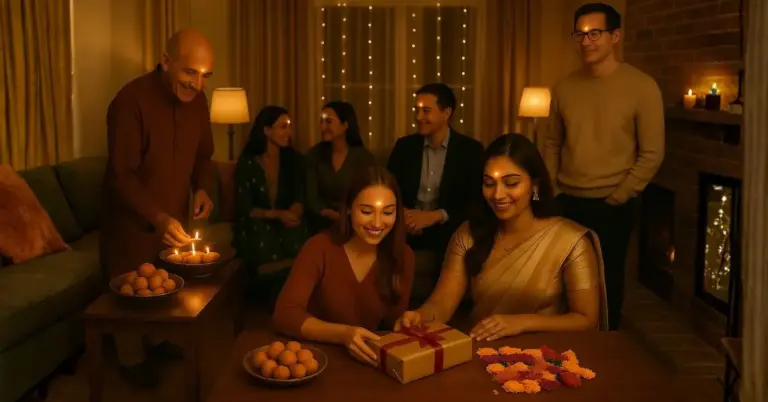
Light your diyas, but also light your mind.
Buy something new, but also renew your perspective.
Share sweets, but also share smiles.
And when you meet people, don’t just say Happy Diwali — make them feel it.

Because the real celebration isn’t outside.
It’s when we light up inside — and together, we make the world glow.

Related